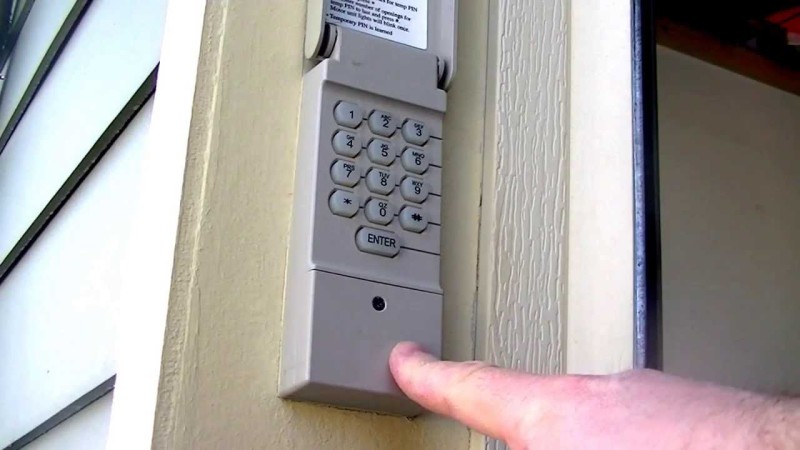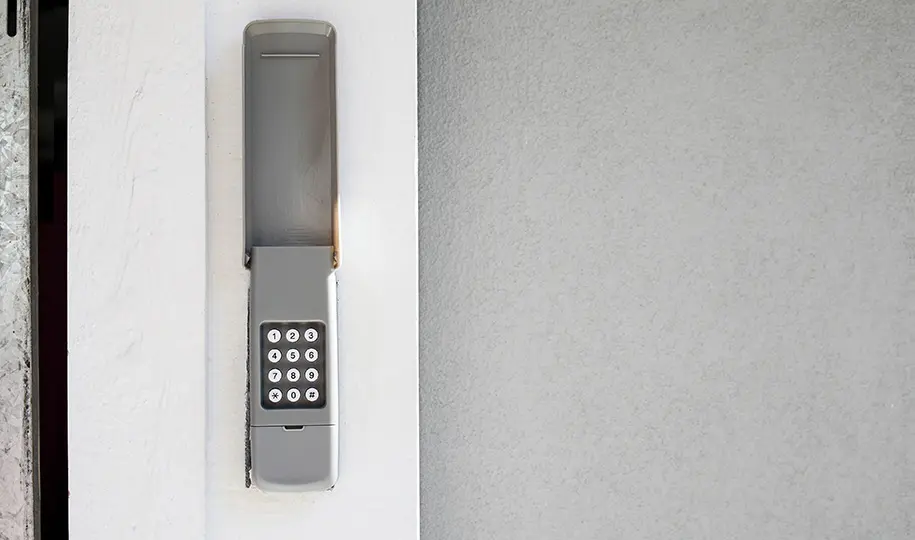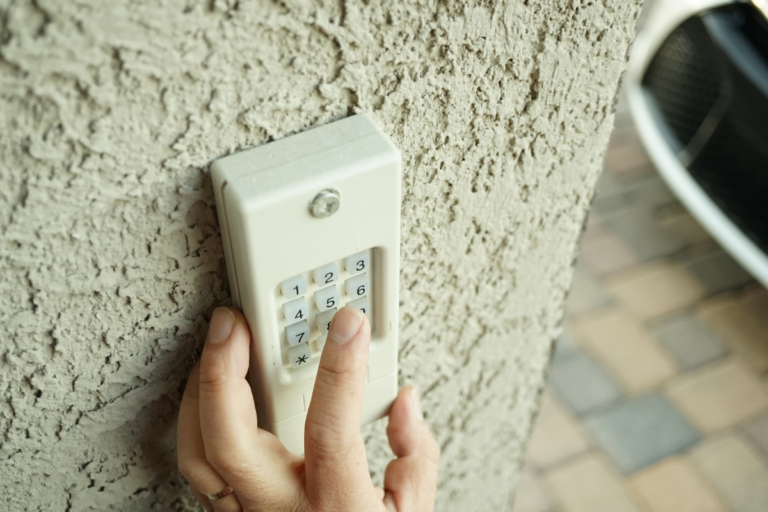
For many homeowners, a garage door keypad is a practical and secure way to access the garage without relying on a remote or physical key. Over time, questions often arise about how dependable these devices are, especially when exposed to weather, frequent use, and evolving security needs. Understanding the factors that influence garage door keypad long term reliability can help you make informed decisions about installation, maintenance, and upgrades.
In this article, we’ll explore what affects the durability and performance of garage entry keypads, how to maximize their lifespan, and what to look for when choosing or replacing one. We’ll also touch on security considerations and troubleshooting tips to ensure your system remains both reliable and safe for years to come.
If you’re interested in further enhancing your system’s resilience, you may want to review garage door keypad security best practices for additional tips on keeping your entry points protected.
Key Factors That Influence Keypad Lifespan
The longevity of a garage entry keypad depends on several variables. While most modern units are designed to last for years, their actual service life can vary based on the following factors:
- Build Quality: Keypads made with high-grade materials and weather-resistant seals tend to withstand the elements and daily use much better than lower-cost alternatives.
- Installation Location: Placement matters. Devices installed under eaves or in sheltered spots are less likely to suffer from water ingress, sun damage, or temperature extremes.
- Frequency of Use: Keypads that are used multiple times daily may experience more wear on buttons and internal electronics, potentially shortening their operational life.
- Maintenance: Regular cleaning and prompt battery replacement can help prevent common issues like stuck buttons or power loss.
- Brand and Model: Some brands are known for producing more durable and reliable products. Researching reviews and comparisons, such as those in a garage door keypad quality comparison, can help you select a unit with a proven track record.
Weather Resistance and Environmental Impact
Outdoor keypads are constantly exposed to rain, snow, humidity, and fluctuating temperatures. Over time, these conditions can degrade plastic housings, corrode internal contacts, and cause seals to fail. High-quality models are typically rated for outdoor use and feature UV-resistant plastics, watertight gaskets, and robust circuit protection.
If your keypad is installed in a region with extreme weather, look for units with an IP (Ingress Protection) rating, which indicates resistance to dust and moisture. Regularly inspect the device for cracks, faded buttons, or signs of moisture inside the housing, as these can be early indicators of reliability issues.

Common Reliability Issues and Troubleshooting
Even the best keypads can develop problems over time. Some of the most frequent issues include:
- Unresponsive Buttons: Dirt, moisture, or worn contacts can cause certain keys to stop working. Cleaning the keypad with a soft cloth and ensuring the cover is sealed can help restore function.
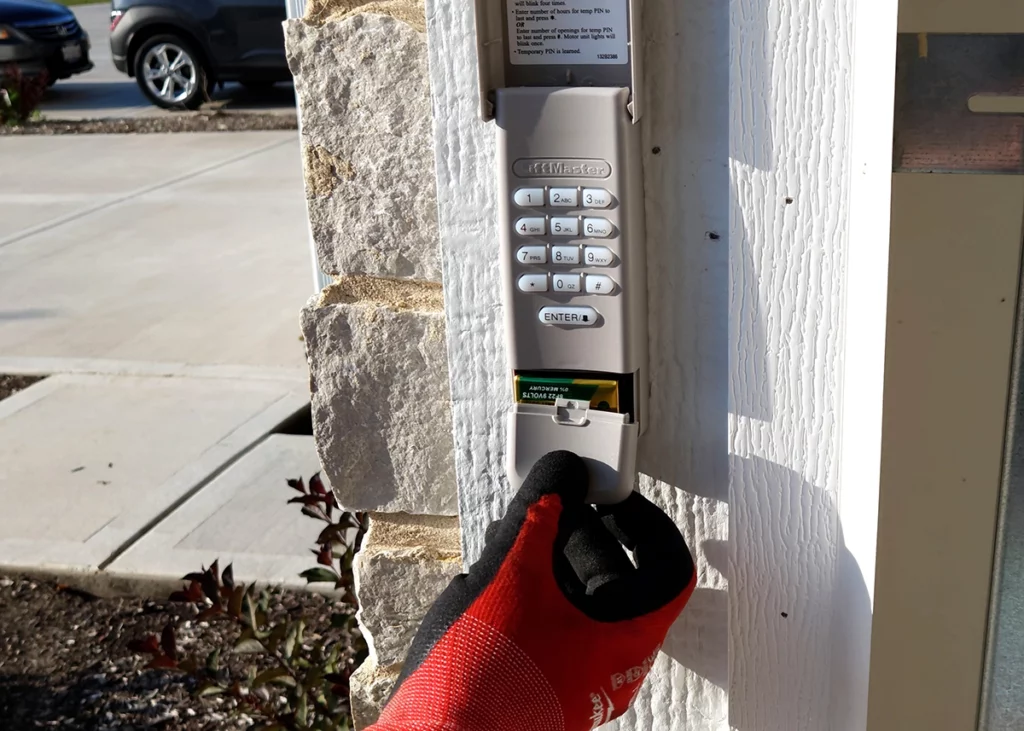
- Intermittent Operation: Weak or corroded batteries are a leading cause of unreliable performance. Replace batteries annually or as soon as you notice lag or missed entries.
- Code Not Accepted: If your keypad suddenly stops recognizing your code, it may need to be reprogrammed. Refer to your manufacturer’s instructions or consult a garage door keypad testing methods guide for step-by-step troubleshooting.
- Physical Damage: Cracked housings or missing buttons can let in moisture, leading to internal corrosion. In these cases, replacement is often more cost-effective than repair.
For more detailed solutions to stubborn problems, you can check out a comprehensive guide to fixing non-working garage door keypads from a trusted industry source.
Security and Long-Term Performance
Security is a crucial aspect of keypad reliability. Over the years, keypad technology has improved to offer rolling codes, encryption, and lockout features that prevent unauthorized access. However, older models may lack these protections, making them more vulnerable to tampering or code guessing.
To maintain both security and longevity:
- Update your access code periodically to reduce the risk of compromise.
- Consider upgrading to a newer model if your current keypad is more than a decade old or lacks modern security features.
- Review garage door keypad safety precautions to ensure you’re following best practices for safe operation.
Maintenance Tips for Prolonged Reliability
Routine care can significantly extend the life of your garage entry keypad. Here are some practical steps:
- Wipe down the keypad regularly to remove dirt, dust, and debris.
- Inspect for signs of water ingress, especially after heavy rain or snow.
- Replace batteries at least once a year, or sooner if you notice performance issues.
- Check the mounting and seals to ensure the unit remains securely attached and weatherproof.
- Test the keypad monthly to confirm all buttons and functions are working as expected.
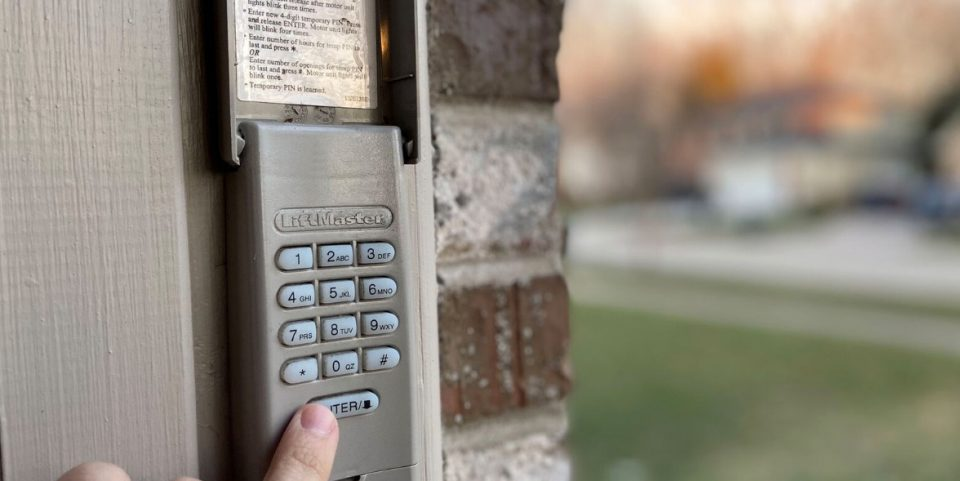
When to Replace Your Garage Entry Keypad
Even with diligent care, all keypads eventually reach the end of their useful life. Signs that it’s time for a replacement include:
- Frequent failures or unresponsive buttons despite new batteries
- Visible cracks or severe fading of the housing or buttons
- Inability to reprogram or update codes
- Lack of compatibility with newer garage door openers
- Security concerns due to outdated technology
If you’re unsure whether your keypad is still up to the task, reviewing garage door keypad myths explained can help you separate fact from fiction and make a confident decision about replacement.
Frequently Asked Questions
How long do garage door keypads typically last?
Most well-made garage entry keypads last between 7 to 10 years with regular use and proper maintenance. Environmental exposure and frequency of use can shorten or extend this range.
What can I do to make my keypad more reliable?
Regular cleaning, timely battery replacement, and installing the unit in a sheltered location all contribute to improved reliability. Choosing a model with weather-resistant features and following the manufacturer’s maintenance guidelines are also important.
Are newer keypads more secure and durable than older ones?
Yes, modern keypads often include advanced security features like rolling codes and improved weatherproofing. Upgrading to a newer model can enhance both the security and longevity of your garage entry system.
What should I do if my keypad stops working suddenly?
Start by checking the batteries and cleaning the buttons. If the problem persists, consult your user manual for reset or reprogramming instructions. Persistent issues may indicate the need for replacement.
By understanding the factors that affect garage door keypad long term reliability and following best practices for care and maintenance, you can ensure your system remains dependable and secure for years to come.