As more homeowners rely on keyless entry systems for their garages, understanding garage door keypad safety precautions is essential. These devices offer convenience, but without proper knowledge and care, they can introduce security risks to your home. This article covers practical measures to keep your keypad secure, protect your property, and ensure your system functions reliably.
Whether you’re installing a new keypad or maintaining an existing one, following best practices can make a significant difference. We’ll discuss code management, physical security, and digital safety, as well as tips for troubleshooting and upgrading your system. For more on common misconceptions, see garage door keypad myths explained.
Why Secure Keypad Entry Matters
Keyless entry systems are designed for convenience, but they also create a new access point to your home. If not properly secured, a garage keypad can be exploited by intruders. Taking the right precautions helps prevent unauthorized access and protects your family and belongings.
Choosing a Safe Location for Your Keypad
The placement of your keypad is the first line of defense. Install it out of direct sight from the street or sidewalk to reduce the risk of someone observing your code entry. Avoid mounting the keypad too close to windows or doors where it can be easily reached by someone outside.
- Mount the keypad at a height that is comfortable for you but not easily accessible to children or passersby.
- Ensure the area around the keypad is well-lit to deter tampering at night.
- Keep landscaping trimmed to maintain visibility and discourage hiding spots near the keypad.
Setting and Managing Secure Access Codes
One of the most important garage door keypad safety precautions is choosing a strong, unique code. Avoid using simple combinations like “1234” or your house number. Instead, select a code that is difficult to guess and change it regularly.
- Use a combination of numbers that are not easily associated with you (avoid birthdays, anniversaries, or phone numbers).
- Change your code every few months or immediately if you suspect it has been compromised.
- Do not share your code with anyone outside your household unless absolutely necessary.
- Teach family members to keep the code confidential and not to write it down where it can be found.
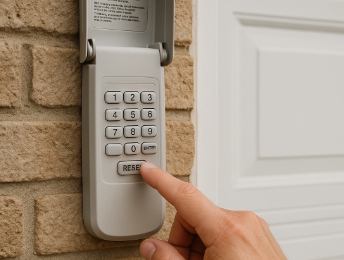
Physical Security and Tamper Prevention
Protecting the keypad from tampering is another vital step. Some models come with built-in tamper alarms or lockout features after several incorrect attempts. If your keypad doesn’t have these, consider upgrading for added security.
- Check the keypad regularly for signs of damage or tampering.
- Clean the keypad to prevent wear patterns that could reveal commonly pressed buttons.
- Consider models with backlit, randomized keypads to make code guessing more difficult.
- If you notice any suspicious activity, change your code immediately and consider notifying local authorities.
Digital Security: Wireless and Smart Keypad Considerations
Many modern keypads use wireless signals to communicate with the garage door opener. While this adds convenience, it also introduces new risks. Hackers may attempt to intercept or spoof signals if the system is outdated or unsecured.
- Choose a keypad that uses rolling code technology, which changes the signal each time you use it.
- Update your keypad and opener firmware if updates are available.
- For smart keypads connected to Wi-Fi, use strong, unique passwords and enable two-factor authentication if supported.
- Regularly review access logs if your system provides them, and revoke access for unused devices or users.
For more on advanced features, see garage door keypad modern features explained.
Routine Maintenance and Troubleshooting
Keeping your keypad in good working order is a key part of overall safety. Inspect it periodically for signs of wear, corrosion, or malfunction. Replace batteries as needed and test the system to ensure it responds correctly.
- If you experience issues, consult the manufacturer’s manual or see garage door keypad troubleshooting after installation for step-by-step guidance.
- Keep the keypad clean and dry to prevent electrical problems.
- Check that the cover closes securely to protect against weather and tampering.
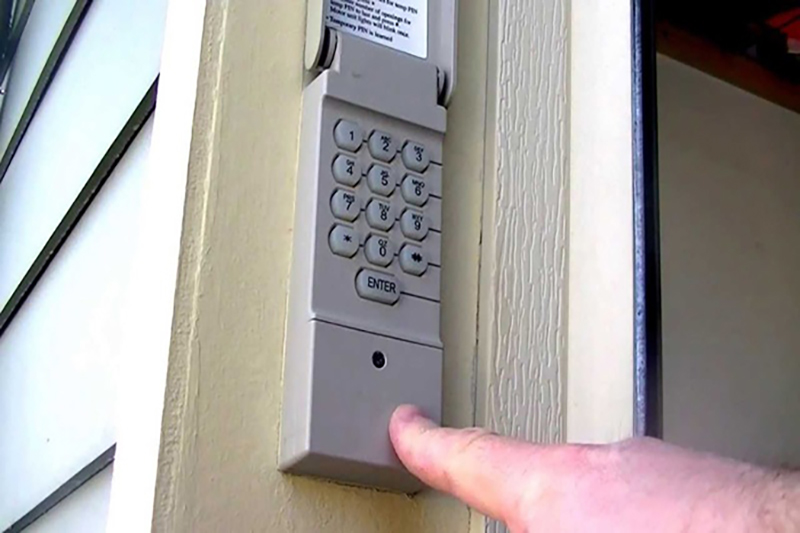
Upgrading and Integrating With Smart Garage Systems
If your keypad is more than a few years old, consider upgrading to a newer model with enhanced security features. Many modern systems offer integration with smart home platforms, allowing you to monitor and control access remotely.
- Look for keypads that support app-based management and notifications.
- Integrate your keypad with smart garage systems for added convenience and oversight. Learn more about garage door keypad integration with smart garage solutions.
- When upgrading, follow manufacturer instructions for secure installation and setup.
Additional Resources and Expert Advice
For a comprehensive overview of keypad types, features, and installation tips, check out this ultimate guide to garage door keypads. Staying informed can help you make the best decisions for your home’s security.
Frequently Asked Questions
How often should I change my garage door keypad code?
It’s recommended to update your code every three to six months, or immediately if you suspect someone outside your household may know it. Regular changes help prevent unauthorized access and keep your garage secure.
What should I do if my keypad stops working?
Start by checking the batteries and ensuring the keypad is clean and dry. If issues persist, consult your user manual or refer to garage door keypad troubleshooting after installation for detailed steps. Persistent problems may require professional service or replacement.
Are wireless keypads safe from hacking?
Most modern keypads use rolling code technology, which greatly reduces the risk of hacking. However, older models may be vulnerable. Upgrading to a newer keypad and keeping firmware updated are important steps for digital security.
Can I integrate my keypad with my smart home system?
Many new keypads support integration with smart home platforms, allowing for remote access and monitoring. When choosing a keypad, look for compatibility with your existing smart devices and follow secure setup procedures.
Conclusion
Taking the right garage door keypad safety precautions ensures your home remains secure while enjoying the benefits of keyless entry. By choosing a secure location, managing codes wisely, maintaining your system, and staying updated on the latest technology, you can reduce risks and enjoy peace of mind. For more tips on upgrades and features, explore garage door keypad upgrade options.