Homeowners rely on garage door keypads for convenient, secure access to their garages and homes. However, as with any entry system, there are important steps to take to ensure your keypad remains a strong line of defense. Understanding garage door keypad security best practices helps protect your property, vehicles, and family from potential threats. This article covers essential strategies, from choosing the right device to maintaining and updating your security settings.
Whether you’re installing a new keypad or reviewing your current setup, following expert recommendations can make a significant difference. We’ll also highlight common mistakes, offer practical tips, and point you to further resources for keeping your garage entry system as safe as possible.
For those interested in comparing different keypad models, the garage door keypad quality comparison guide provides detailed insights into durability and features.
Why Keypad Security Matters for Your Garage
The garage is often a primary entry point to the home and a common target for intruders. A compromised keypad can provide easy access, so it’s crucial to treat your garage security with the same seriousness as your front door. By following keypad security best practices, you reduce the risk of unauthorized entry and protect valuable belongings.
Modern keypads offer advanced features, but even the most sophisticated device can be vulnerable if not properly managed. Regularly reviewing your keypad’s security settings and usage habits is an important part of home safety.
Choosing a Secure Garage Door Keypad
Not all keypads are created equal. When selecting a device, look for models with robust encryption and rolling code technology. These features help prevent code grabbing and replay attacks, which are common methods used by thieves to gain access.
- Rolling code technology: Changes the access code each time the keypad is used, making it difficult for hackers to intercept and reuse codes.
- Weather resistance: Choose a keypad designed to withstand your local climate to ensure reliability and longevity.
- Backlit keys: For easier use at night and to reduce the risk of entering the wrong code.
- Manufacturer reputation: Opt for established brands with a history of security and reliability.
For a detailed look at how different models perform, see the garage door keypad testing methods article, which explains how devices are evaluated for security and durability.
Setting Strong PIN Codes and Updating Regularly
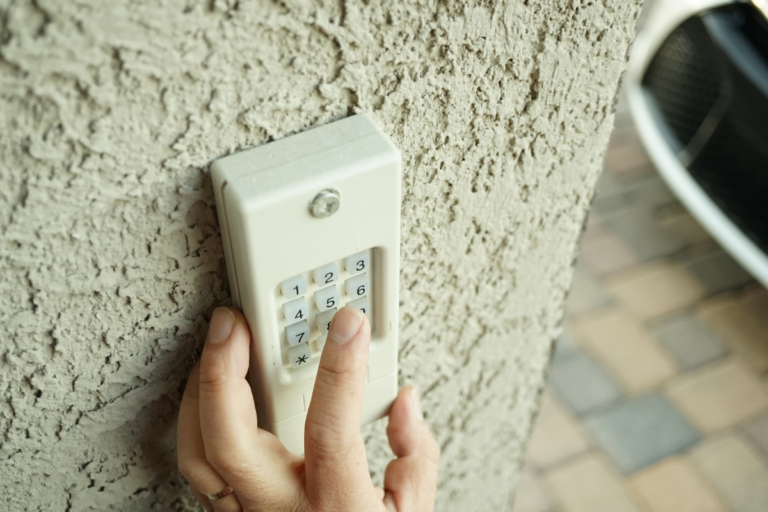
One of the simplest yet most effective garage door keypad security best practices is to set a strong, unique PIN. Avoid obvious combinations such as “1234,” “0000,” or your address. Instead, use a random sequence of numbers, ideally at least four to six digits.
- Change your PIN every few months, especially after guests or service providers have had access.
- Never share your code with anyone you do not trust completely.
- Do not write the code down near the keypad or in obvious places.
If you suspect your code has been compromised, update it immediately. Many modern keypads allow you to program temporary codes for visitors, which can be deleted after use for added security.
Physical Security and Keypad Placement
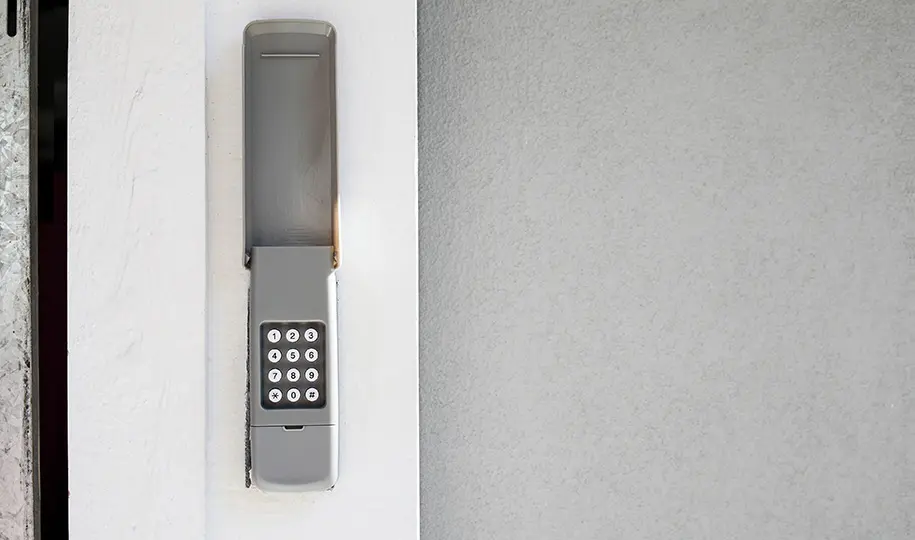
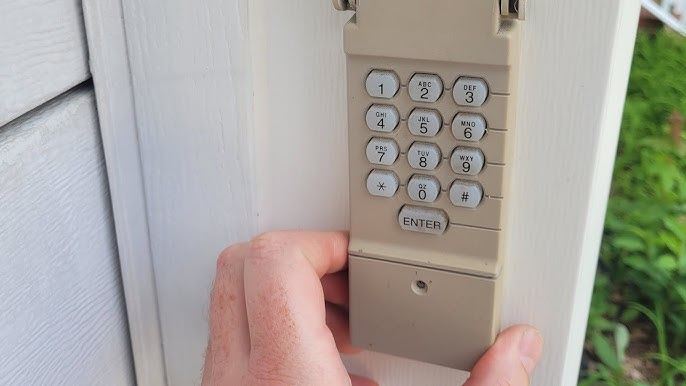
Where you install your keypad can impact its vulnerability. Avoid placing it in locations easily visible or accessible from the street. Ideally, mount the keypad in a spot that is convenient for you but less obvious to passersby.
- Install the keypad at a comfortable height but out of direct line of sight from the road.
- Keep the area around the keypad well-lit to deter tampering at night.
- Check regularly for signs of tampering or attempted break-ins.
For additional safety tips, the garage door keypad safety precautions resource outlines further steps you can take to secure your entry system.
Maintaining and Testing Your Keypad System
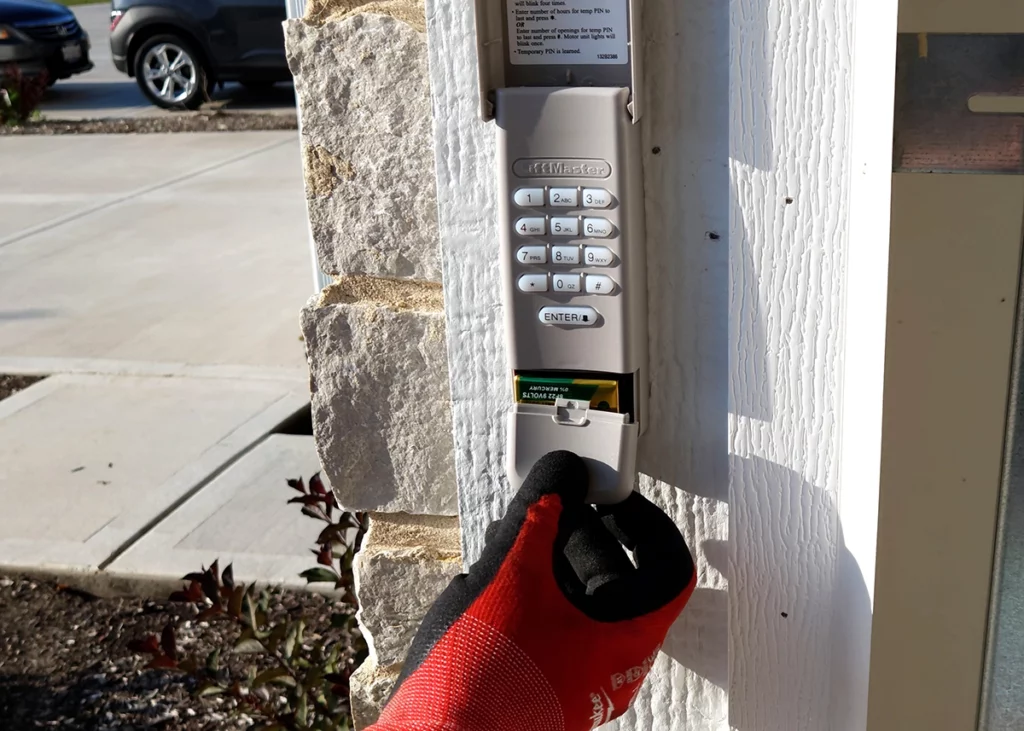
Regular maintenance is essential for keeping your keypad secure and functional. Dust, moisture, and temperature changes can affect performance over time. Clean the keypad gently with a dry cloth and inspect the battery regularly, replacing it as needed.
- Test your keypad monthly to ensure all buttons work and the code is accepted.
- Update firmware if your device supports it, as manufacturers may release security patches.
- Review your keypad’s manual for specific maintenance recommendations.
If you notice any malfunctions or irregularities, address them promptly to avoid leaving your garage vulnerable.
Common Mistakes to Avoid with Garage Keypads
Even with the best equipment, certain habits can undermine your security efforts. Here are some frequent errors and how to avoid them:
- Leaving the default factory code unchanged.
- Sharing your PIN with too many people.
- Ignoring signs of wear, malfunction, or tampering.
- Failing to update codes after moving into a new home.
- Not reading the manual or skipping recommended maintenance.
For more on misconceptions and how to address them, visit the garage door keypad myths explained page.
Additional Resources and Expert Recommendations
Staying informed about the latest security features and threats is key to keeping your garage protected. Manufacturers and security experts regularly publish updates and advice. For those considering an upgrade or replacement, review the comprehensive guide to buying a garage door opener for tips on what to look for in both openers and keypads.
If you have specific questions, the garage door keypad FAQs section answers common concerns about setup, troubleshooting, and security.
FAQ: Key Questions About Garage Door Keypad Security
How often should I change my garage door keypad PIN?
It’s recommended to update your PIN every three to six months, or immediately if you suspect it has been shared or compromised. Regular updates help prevent unauthorized access.
What features should I look for in a secure keypad?
Look for rolling code technology, weather resistance, backlit keys, and a reputable manufacturer. These features enhance both security and usability.
Can someone hack my garage door keypad?
While modern keypads are designed to resist hacking, no system is completely immune. Using strong, unique codes and keeping your device updated with the latest firmware reduces the risk significantly.
Is it safe to give my PIN to service providers?
If you need to provide access to a service provider, use a temporary code if your keypad supports it, and delete it after the job is done. Avoid sharing your main code whenever possible.
Conclusion
Implementing garage door keypad security best practices is essential for protecting your home and belongings. By choosing a secure device, setting strong codes, maintaining your system, and staying informed, you can enjoy the convenience of keypad entry without compromising safety. Regularly review your setup and make adjustments as needed to stay ahead of potential threats.