Understanding how to properly test a garage door keypad is essential for homeowners and property managers who want to ensure reliable access and security. Whether you are troubleshooting issues, verifying installation, or maintaining your system, knowing the right techniques can help you identify problems early and keep your entryway functioning smoothly. This guide covers the most effective garage door keypad testing methods, offering step-by-step instructions, practical tips, and important safety considerations.
If you’re interested in comparing different keypad models for quality and durability, the garage door keypad quality comparison offers detailed insights to help you make informed choices.
Why Testing Your Garage Door Keypad Matters
Regularly checking your keypad ensures that your garage remains both accessible and secure. Over time, exposure to weather, battery depletion, or simple wear and tear can cause malfunctions. By using proven keypad testing techniques, you can spot issues before they become major inconveniences or security risks.
In addition to maintaining functionality, routine tests help you confirm that your keypad’s security features—such as lockout modes and rolling codes—are working as intended. If you’re curious about common misconceptions, you might find it helpful to read about garage door keypad myths explained.
Basic Steps for Testing a Garage Door Keypad
Before diving into advanced diagnostics, start with these straightforward steps to check if your keypad is operating correctly:
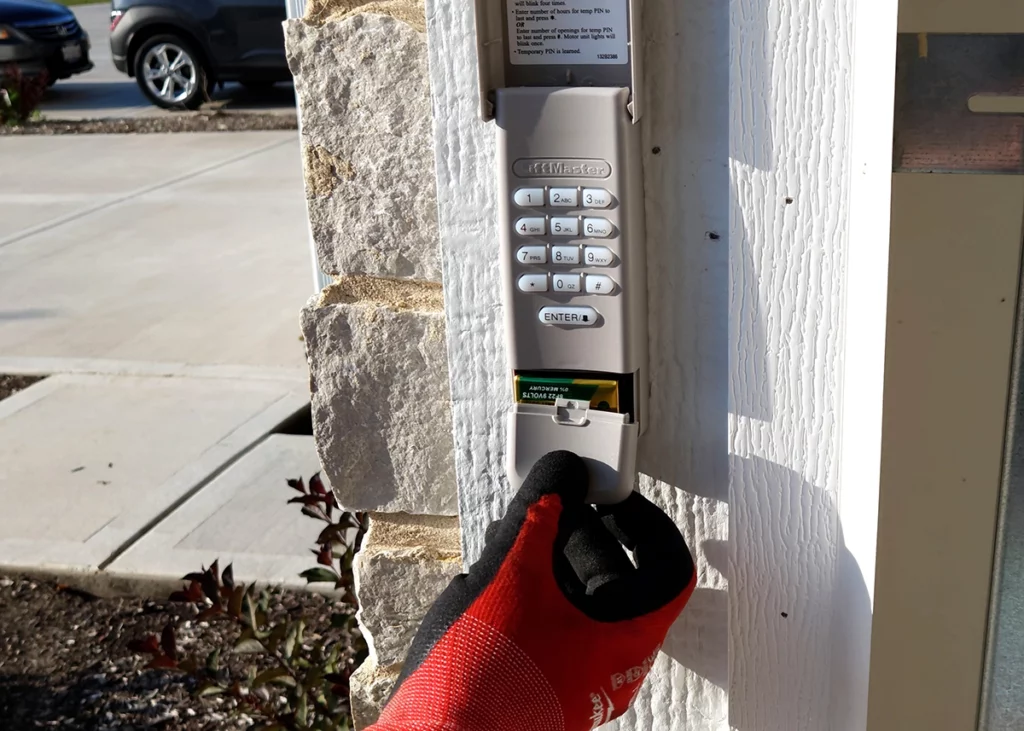
- Check the Power Source: Make sure the keypad’s batteries are fresh and properly installed. Weak or dead batteries are a common cause of keypad failure.
- Inspect for Physical Damage: Look for cracks, worn buttons, or corrosion, especially if the keypad is exposed to the elements.
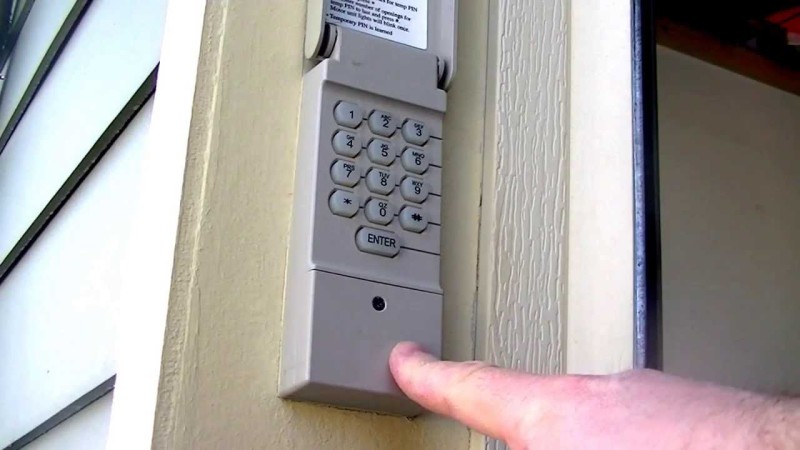
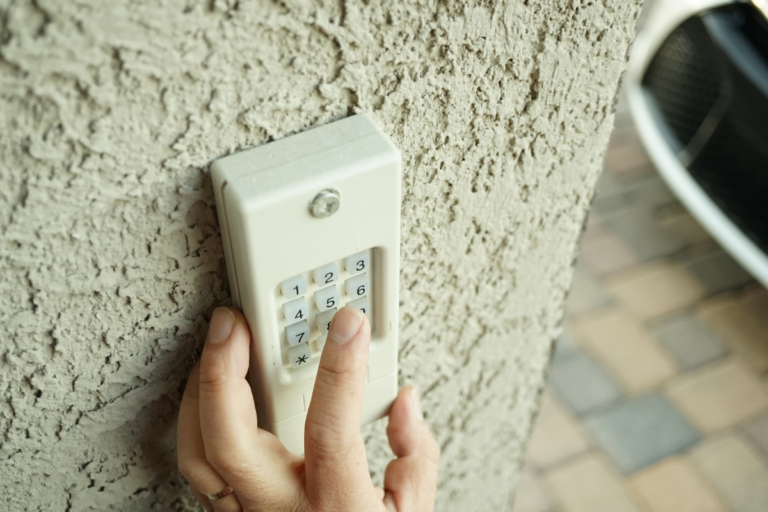
- Test the Entry Code: Enter your programmed code and observe the keypad’s response. The garage door should open or close smoothly. If not, note any blinking lights or error beeps.
- Try the Lockout Feature: Some keypads have a lockout mode after several incorrect attempts. Test this by entering a wrong code repeatedly to ensure the security function activates.
- Reprogram the Keypad: If you suspect a programming issue, follow your manufacturer’s instructions to reset and reprogram the keypad, then test again.
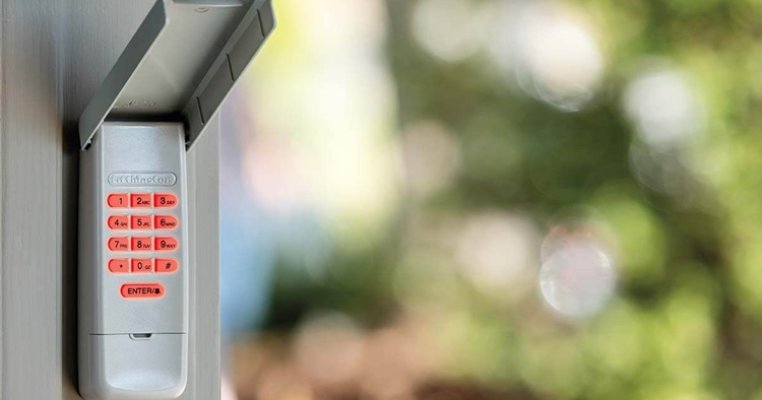
Advanced Garage Door Keypad Testing Methods
If basic checks don’t resolve your issue, more detailed diagnostics can help pinpoint the problem. Here are some advanced approaches:
Signal Strength and Range Testing
Sometimes, interference or distance can affect your keypad’s ability to communicate with the garage door opener. To test this:
- Stand at various distances from the opener and enter the code. Note where the keypad stops working reliably.
- Check for sources of interference, such as wireless routers or metal objects near the keypad.
- If the signal is weak, consider relocating the keypad or adjusting the opener’s antenna.
Wiring and Connection Checks
For hardwired keypads, inspect the wiring for loose connections or corrosion. Disconnect power before handling wires, and consult your manual for safe procedures. If you’re not comfortable working with electrical components, consider hiring a professional.
Testing Security Features
Modern keypads often use rolling code technology to prevent unauthorized access. To verify this function:
- After a successful code entry, try re-entering the same code quickly. The system should accept it only if the rolling code syncs properly.
- Consult your opener’s manual for specific instructions on testing rolling code synchronization.
Common Issues Identified Through Testing
Using these garage door keypad testing methods can help you identify several frequent problems:
- Unresponsive Keypad: Usually caused by dead batteries, faulty wiring, or water damage.
- Intermittent Operation: May be due to signal interference, worn buttons, or a failing keypad circuit board.
- Security Lockout: Triggered by repeated incorrect code entries; resetting the keypad or waiting for the lockout period can resolve this.
- Programming Errors: If the keypad won’t accept new codes, a factory reset and reprogramming may be necessary.
For more on keeping your entry system safe, see the garage door keypad safety precautions guide.

When to Replace or Upgrade Your Keypad
If your keypad continues to malfunction after troubleshooting, it may be time for a replacement. Signs that indicate a new unit is needed include persistent unresponsiveness, visible damage, or outdated security features. For those considering an upgrade, explore the garage door keypad upgrade options for the latest technology and enhanced convenience.
Newer models often include features like backlit keys, weather-resistant designs, and improved encryption. Investing in a modern keypad can boost both security and ease of use.
Expert Tips for Reliable Keypad Performance
- Replace batteries at least once a year, or when you notice slower response times.
- Clean the keypad regularly with a soft, dry cloth to prevent dirt buildup.
- Test your keypad monthly to catch issues early and avoid being locked out unexpectedly.
- Keep your keypad’s programming instructions in a safe place for quick reference.
If you have questions about setup, troubleshooting, or features, the garage door keypad FAQs page provides clear answers to common concerns.
Additional Resources and Support
For more detailed information on keypad operation, installation, and troubleshooting, consult your manufacturer’s manual or visit reputable online resources. A helpful overview of common questions can be found in this comprehensive garage door keypad FAQ guide.
Frequently Asked Questions
How often should I test my garage door keypad?
It’s best to check your keypad at least once a month. Regular testing helps you catch battery issues, signal problems, or worn buttons before they cause inconvenience or compromise security.
What should I do if my keypad is unresponsive?
Start by replacing the batteries and checking for visible damage. If the keypad still doesn’t work, try reprogramming it according to your manufacturer’s instructions. Persistent issues may require professional inspection or replacement.
Can I use the same keypad with a new garage door opener?
In many cases, yes—especially if the keypad and opener are from the same brand or use compatible wireless technologies. However, some older keypads may not work with the latest openers. Always check compatibility before attempting to pair devices.
How do I know if my keypad’s security features are working?
Test the lockout mode by entering incorrect codes and observe if the keypad temporarily disables input. For rolling code systems, refer to your manual to verify proper synchronization after code entry.