


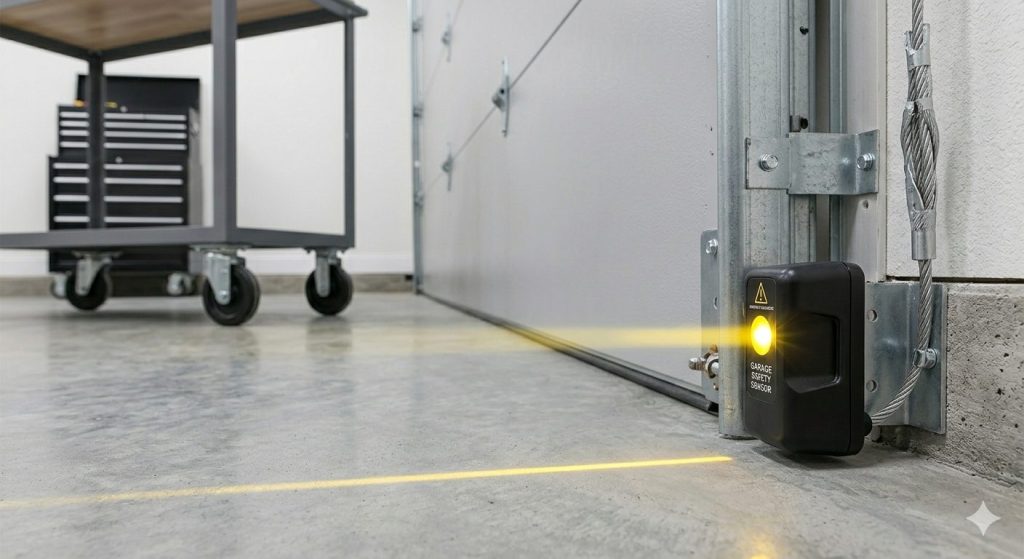
Garage door sensors are essential for safety, preventing the door from closing if an object or person is in the way. However, these sensors can be sensitive to environmental factors, especially moisture and humidity. When exposed to damp conditions, sensors may malfunction—causing your garage door to refuse to close or open properly. Understanding how to fix garage door sensor moisture problems can save you time, money, and frustration.
This article will guide you through identifying symptoms, troubleshooting, and resolving issues related to water and humidity affecting your garage door sensors. We’ll also cover preventative measures and when it’s time to seek professional help. If you’re also experiencing issues like a yellow sensor light, you may find this resource on why is my garage door sensor yellow helpful.
Common Signs of Moisture-Related Sensor Issues
Before diving into solutions, it’s important to recognize the symptoms that indicate your garage door sensors are being affected by dampness or high humidity. Some of the most frequent signs include:
- Intermittent or complete failure of the garage door to close or open.
- Sensor lights flickering, dimming, or changing color unexpectedly.
- Visible condensation or water droplets on the sensor lenses or housing.
- Corrosion or rust on the sensor brackets or wiring.
- Frequent need to realign sensors, especially after rainy or humid weather.
If you notice any of these issues, moisture is likely interfering with the sensor’s operation. For other sensor-related troubleshooting, you can consult this comprehensive guide to garage door sensor troubleshooting.
Why Moisture and Humidity Affect Garage Door Sensors
Garage door sensors use infrared beams to detect obstructions. When moisture or condensation forms on the sensor lens, it can scatter or block the beam, causing the system to interpret this as an obstruction. High humidity can also lead to internal condensation, corrosion of electrical contacts, or short circuits in the wiring.
Most sensors are designed to be weather-resistant, but they are not waterproof. Prolonged exposure to water, especially in garages with poor drainage or ventilation, increases the risk of malfunction.
Step-by-Step Solutions for Moisture Problems
Addressing garage door sensor moisture issues involves a combination of immediate fixes and preventative steps. Here’s a practical approach:
1. Dry the Sensors Thoroughly
- Use a soft, dry cloth to wipe off any visible moisture from the sensor lenses and housing.
- For stubborn condensation, gently use a hairdryer on a low, cool setting to evaporate moisture. Avoid using high heat, as it may damage the plastic components.
2. Inspect for Corrosion or Damage
- Check the sensor brackets, screws, and wiring for signs of rust or corrosion.
- If corrosion is present, clean it carefully with a small brush and apply a contact cleaner suitable for electronics.
- Replace any severely corroded components to restore reliable operation.
3. Realign the Sensors
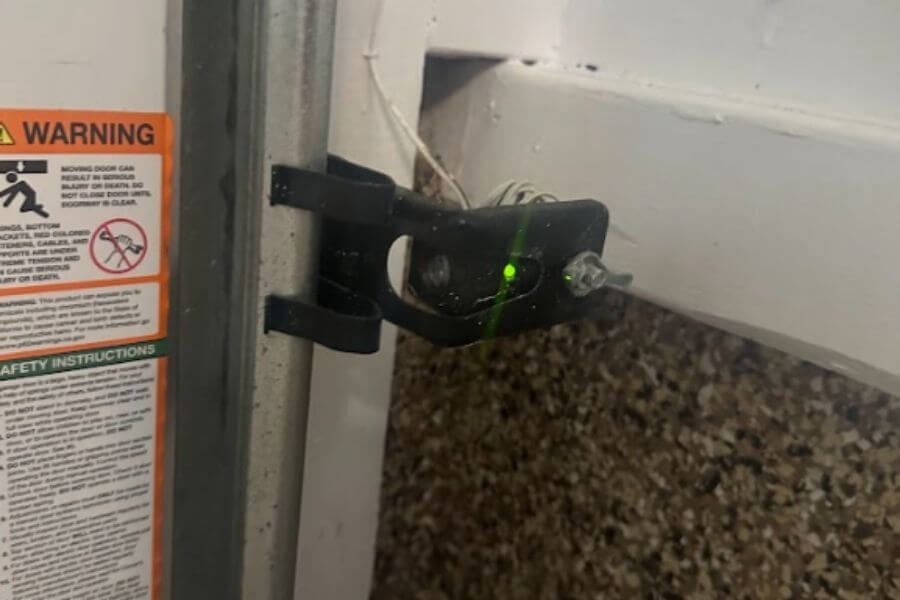
- Moisture can cause sensors to shift out of alignment. Make sure both sensors face each other directly and that their indicator lights are steady.
- Refer to your garage door manual for the correct alignment procedure, or see this guide on what to do if garage door sensor is blocked for more tips.
4. Check and Protect the Wiring
- Inspect the wires leading to the sensors for any signs of water damage, fraying, or loose connections.
- If you find damaged wiring, you may need to replace the garage door sensor wiring or rewire the sensors for a safe and effective fix.
5. Improve Drainage and Ventilation
- Ensure your garage has adequate drainage to prevent standing water near the sensors.
- Improve ventilation to reduce humidity, especially in climates prone to dampness.
- Consider installing a small dehumidifier if your garage is consistently humid.
Preventing Future Moisture and Humidity Issues
Once you’ve resolved the immediate problem, take steps to prevent recurrence:
- Install weatherproof covers or shields over the sensors to block direct exposure to rain or splashes.
- Seal any gaps or cracks in the garage door or walls where water might seep in.
- Regularly clean and inspect the sensors, especially after storms or periods of high humidity.
- Upgrade to sensors rated for outdoor or wet environments if your garage is particularly exposed.
When to Call a Professional
While many garage door sensor humidity problems can be resolved with DIY methods, there are times when professional help is necessary:
- You’ve tried all troubleshooting steps and the sensors still malfunction.
- There is significant water damage to the wiring or opener system.
- You are uncomfortable working with electrical components.
- The sensors repeatedly fail after heavy rain or persistent humidity.
A qualified garage door technician can diagnose and repair complex issues, ensuring your system remains safe and reliable.
Additional Troubleshooting Resources
For further guidance on sensor issues, you might want to explore these resources:
- How to Fix Garage Door Sensor Flickering Lights Instantly
- How to Replace Garage Door Sensor Wiring: A Complete Guide
- How to Rewire Garage Door Sensors: A Simple DIY Guide
Frequently Asked Questions
What causes garage door sensors to stop working after rain?
Rain can introduce moisture into the sensor housing or onto the lens, disrupting the infrared beam. This can cause the system to think there’s an obstruction, preventing the door from closing. Ensuring sensors are dry and protected from direct water exposure helps prevent this issue.
How can I protect my garage door sensors from humidity?
Use weatherproof covers, improve garage ventilation, and regularly check for condensation. Sealing cracks and using a dehumidifier can also help reduce overall humidity levels around your sensors.
Can I use any cleaning product on my garage door sensors?
It’s best to use a soft, dry cloth for cleaning. If needed, use a mild electronics-safe cleaner. Avoid harsh chemicals or abrasive materials, as these can scratch the lens or damage the sensor housing.
Is it safe to replace garage door sensor wiring myself?
If you have basic DIY skills and follow safety precautions, replacing sensor wiring can be a manageable task. However, if you’re unsure or uncomfortable with electrical work, it’s safer to hire a professional.
By following these steps and tips, you can address and prevent most garage door sensor moisture and humidity problems, keeping your garage door system operating smoothly year-round.


