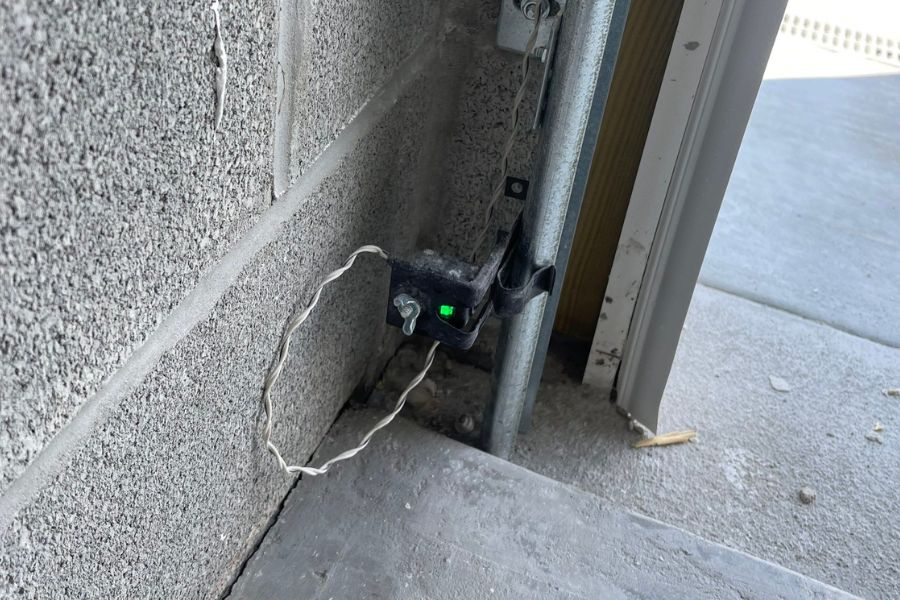
Garage door sensors are essential for maintaining the safety and functionality of your garage door system. Over time, exposure to moisture, dust, and outdoor elements can cause the sensor terminals to corrode, leading to erratic behavior or complete failure of the safety mechanism. Addressing corrosion promptly is important to keep your garage door operating reliably and to prevent potential safety hazards.
In this guide, you’ll learn practical steps for dealing with corroded garage door sensor terminals in a safe and effective manner. We’ll cover how to identify corrosion, the tools you’ll need, and the safest procedures for cleaning and restoring the terminals. For those dealing with related issues, you may also find value in learning how to fix garage door sensor moisture problems to prevent future corrosion.
Understanding Corrosion on Garage Door Sensor Terminals
Corrosion is a chemical reaction that occurs when metal is exposed to moisture and oxygen, resulting in rust or other forms of oxidation. On garage door sensor terminals, corrosion can disrupt the electrical connection, causing sensors to malfunction or stop working entirely. Common signs include intermittent operation, the garage door reversing unexpectedly, or indicator lights not functioning as they should.
Addressing corrosion early can prevent the need for more extensive repairs, such as replacing the entire sensor or wiring. If you notice persistent sensor issues, it’s wise to inspect the terminals for visible signs of rust or buildup.
Tools and Materials Needed for Safe Sensor Terminal Repair
Before starting any repair on your garage door sensors, gather the following tools and materials:
- Insulated screwdriver – for safely removing sensor covers and terminals
- Protective gloves and safety glasses – to shield your hands and eyes from debris and chemicals
- Fine-grit sandpaper or a small wire brush – for gently removing corrosion
- Electrical contact cleaner – to clean and restore metal surfaces
- Clean, lint-free cloth – for wiping down terminals
- Replacement terminal screws or connectors (if needed)
- Multimeter – to test the sensor’s electrical continuity after cleaning
Step-by-Step Guide to Restoring Corroded Sensor Terminals
Follow these steps to safely address corrosion and restore your garage door sensor’s performance:
- Disconnect Power: Always begin by turning off the power to your garage door opener at the breaker box. This step is crucial for your safety and prevents accidental electrical shock.
- Access the Sensors: Locate the sensors near the bottom of the garage door tracks. Remove any protective covers using an insulated screwdriver.
- Inspect for Corrosion: Examine the terminal screws and wire connections. Look for white, green, or rust-colored buildup, which indicates oxidation.
- Remove Corrosion: Put on your gloves and safety glasses. Use fine-grit sandpaper or a wire brush to gently scrub away corrosion from the metal terminals and screws. Take care not to damage the wires or plastic housing.
- Clean the Terminals: Spray a small amount of electrical contact cleaner onto the terminals. Wipe away any residue with a clean, lint-free cloth.
- Replace Damaged Parts: If any screws or connectors are too corroded to clean, replace them with new ones to ensure a solid electrical connection.
- Reconnect and Test: Reattach the wires and covers. Restore power at the breaker. Use a multimeter to check for proper continuity. Test the garage door to confirm that the sensors are working as intended.
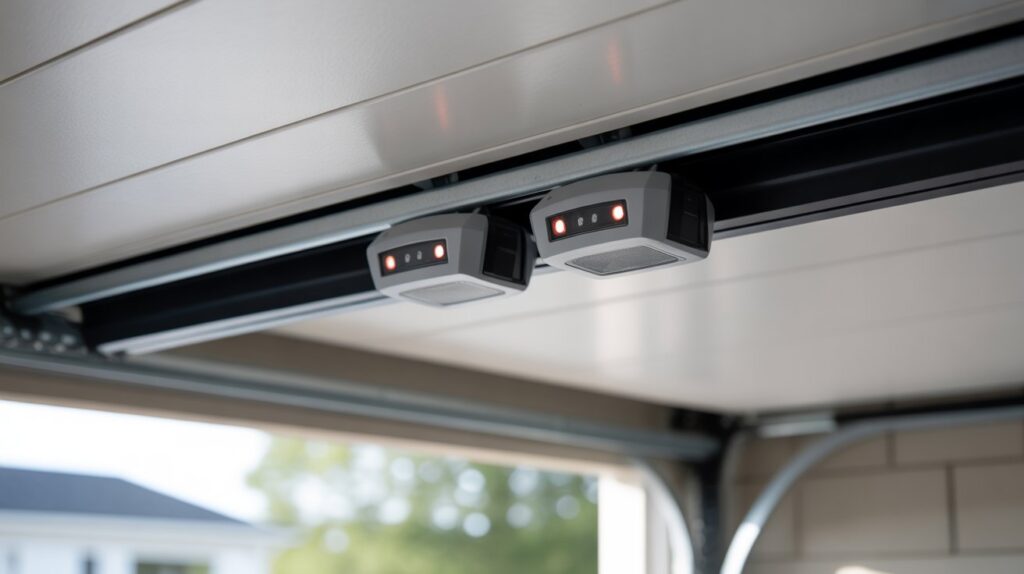
Preventing Future Corrosion on Garage Door Sensor Connections
Once your sensor terminals are clean, taking preventive measures can help extend their lifespan and reduce the risk of future corrosion. Here are some practical tips:
- Seal Exposed Connections: Use dielectric grease or electrical tape to protect terminal connections from moisture.
- Ensure Proper Drainage: Keep the area around your garage door sensors dry and free from standing water.
- Regular Maintenance: Inspect your sensors every few months for signs of wear or buildup. Early detection makes cleaning much easier.
- Install Sun Shields: If your sensors are exposed to direct sunlight, consider learning how to install garage door sensor sun shields to protect them from UV damage and temperature fluctuations.
When to Replace Instead of Repairing Sensor Terminals
While cleaning and restoring corroded terminals is often effective, there are situations where replacement is the safer and more reliable option:
- The terminal screws or connectors are severely rusted or broken
- The sensor housing is cracked or waterlogged
- Cleaning does not restore proper function
- Wires are frayed or insulation is damaged
In these cases, replacing the affected sensor or wiring is recommended. For a step-by-step approach, see this detailed guide on how to replace garage door sensor wiring.
Common Causes of Sensor Terminal Corrosion
Understanding why corrosion occurs can help you prevent it in the future. The most frequent causes include:
- Moisture Intrusion: Rain, snow, or humidity entering the garage can settle on sensor terminals.
- Salt and Chemicals: Road salt and cleaning agents can accelerate oxidation if they come into contact with the sensors.
- Poor Ventilation: Lack of airflow in the garage can trap moisture and encourage rust.
- Improper Installation: Exposed wires or loose connections are more susceptible to environmental damage.
For a deeper dive into troubleshooting sensor issues, check out this comprehensive guide to garage door sensor troubleshooting.
Frequently Asked Questions
What are the symptoms of corroded garage door sensor terminals?
Common symptoms include the garage door refusing to close, reversing unexpectedly, or the sensor indicator lights not illuminating or blinking erratically. You may also notice visible rust or white/green buildup on the terminals.
Is it safe to clean sensor terminals without disconnecting power?
No, it is not safe. Always turn off the power to your garage door opener at the breaker before attempting any maintenance. This precaution prevents electrical shock and accidental activation of the door.
Can I prevent corrosion from returning after cleaning?
Yes, applying dielectric grease to the cleaned terminals, ensuring proper drainage, and performing regular inspections can significantly reduce the risk of corrosion. Installing sun shields or protective covers also helps protect the sensors from environmental exposure.
When should I replace the entire sensor instead of just cleaning the terminals?
If the corrosion is severe, the terminals are damaged beyond repair, or cleaning does not restore function, replacing the sensor is the best option. Also, if the sensor housing is cracked or water has entered the unit, replacement is recommended.
Conclusion
Addressing corrosion on your garage door sensor terminals is a straightforward process that can restore safe operation and extend the life of your equipment. By following the steps outlined above and taking preventive measures, you can keep your garage door system running smoothly. For related troubleshooting, you may want to read about why your garage door sensor is yellow or what to do if your garage door sensor is blocked.