Understanding the beam path in a garage door sensor system is essential for homeowners who want to keep their garage doors operating safely and reliably. These sensors are a critical component of modern garage door openers, designed to prevent accidents and protect property by detecting obstructions in the door’s path. In this article, we’ll break down how the beam path works, why it matters, and what you need to know to ensure your system is functioning as intended.
If you’re troubleshooting sensor issues, learning about the beam alignment and its role in the safety mechanism can help you diagnose problems quickly. For those dealing with sensor-related challenges, you might also find guidance in resources like why is my garage door sensor yellow, which explains common sensor indicator lights and their meanings.

How Garage Door Sensors Work
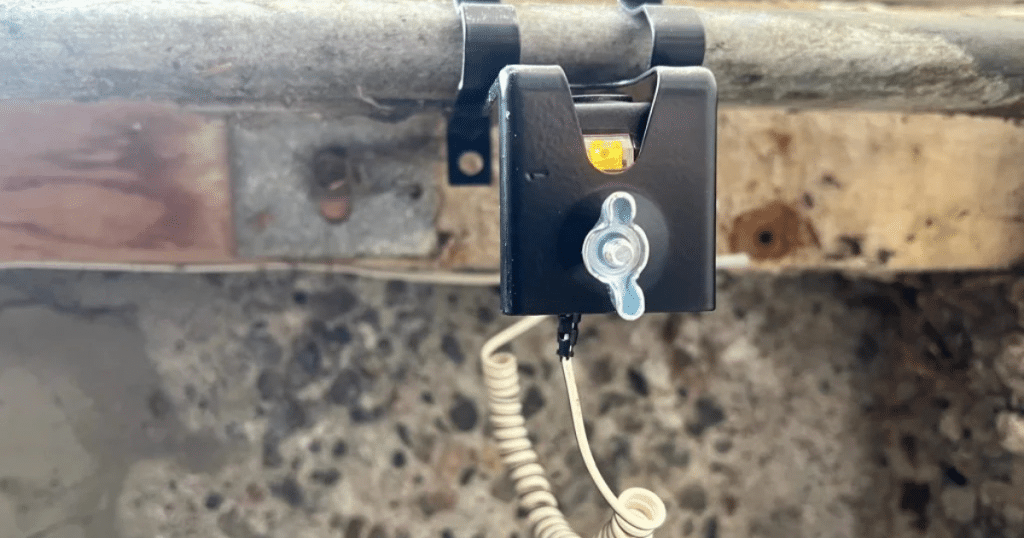
Garage door safety sensors, often called photo-eye sensors, use an invisible infrared beam to detect obstacles in the door’s closing path. These sensors are installed on both sides of the garage door, typically about six inches above the floor. One unit emits the beam, and the other receives it. If anything interrupts this beam—such as a person, pet, or object—the garage door opener receives a signal to stop or reverse the door’s movement, preventing possible injury or damage.
Understanding the Sensor Beam Path
The beam path refers to the straight, horizontal line created by the infrared signal that travels from the sending sensor to the receiving sensor. This path must remain clear for the garage door to operate normally. Even a slight misalignment or obstruction can disrupt the beam, causing the door to refuse to close or to reverse unexpectedly.
Key Elements of the Infrared Beam
- Alignment: The sensors must face each other directly. Even a minor bump or vibration can cause misalignment, breaking the beam path.
- Height: Sensors are installed low to the ground to detect objects like toys, tools, or small animals.
- Obstructions: Dust, spider webs, or debris can block the beam, causing the door to malfunction.
- Sunlight Interference: Direct sunlight can sometimes interfere with the infrared signal, especially if the sensors lack protective shields. For solutions, see how to install garage door sensor sun shields.
Common Issues Affecting the Sensor Path
Several factors can disrupt the sensor beam path, leading to operational problems:
- Misalignment: If the sensors are knocked out of place, the beam will not reach the receiver, and the door will not close.
- Dirty Lenses: Dirt or moisture on the sensor lenses can block the beam. Cleaning the lenses with a soft cloth often resolves this issue.
- Wiring Problems: Damaged or loose wires can interrupt the signal. For detailed repair steps, refer to how to replace garage door sensor wiring.
- Physical Obstructions: Tools, bikes, or other items stored near the door can accidentally block the beam.
Testing and Troubleshooting the Beam Path
Regularly checking your garage door sensors ensures they function properly. To test the beam:
- Close the garage door using the wall button or remote.
- While the door is closing, wave an object (like a broomstick) across the path between the sensors.
- The door should immediately stop and reverse direction if the sensors are working correctly.
If the door does not reverse, there may be an issue with the beam alignment, wiring, or sensor lenses. For more detailed troubleshooting, consult this guide to testing faulty garage door sensors.
Ensuring a Clear and Effective Sensor Path
Maintaining a clear infrared beam path is crucial for safe garage door operation. Here are some practical tips:
- Check sensor alignment regularly, especially after any impact or vibration.
- Keep the area around the sensors free from clutter and debris.
- Clean sensor lenses with a soft, dry cloth to remove dust or moisture.
- Inspect wiring for signs of wear or damage.
- Install sun shields if your sensors are exposed to direct sunlight.

What Happens If the Beam Is Blocked or Misaligned?
When the infrared beam is interrupted or the sensors are misaligned, the garage door opener’s safety system is triggered. The door will either refuse to close or will reverse direction, signaling a problem. This is a crucial safety feature, but it can be frustrating if the sensors are persistently misaligned or blocked. For step-by-step help, see what to do if garage door sensor is blocked.
Persistent issues may indicate a need for sensor replacement or professional adjustment. If you notice frequent sensor malfunctions, it’s wise to check for environmental factors like moisture or humidity, which can also affect performance. For more on this, review how to fix garage door sensor moisture problems.
Frequently Asked Questions
How do I know if my garage door sensor beam is aligned correctly?
Most sensors have indicator lights. When the beam is properly aligned, the receiving sensor’s light will be solid. If the light is blinking or off, the sensors may be misaligned or blocked.
Can sunlight affect the sensor beam path?
Yes, direct sunlight can sometimes interfere with the infrared signal, especially if the sensors are not shielded. Installing sun shields or repositioning the sensors can help minimize interference.
What should I do if my garage door won’t close and the sensors seem fine?
Double-check for subtle obstructions, dirty lenses, or loose wiring. If the sensors appear clean and aligned, but the door still won’t close, there may be an issue with the wiring or the opener’s logic board. In such cases, professional assistance may be necessary.
How often should I clean or check my garage door sensors?
It’s a good idea to inspect and clean your sensors every few months, or whenever you notice the door behaving unexpectedly. Regular maintenance helps prevent common issues related to the beam path.
Conclusion
The beam path in a garage door sensor system is a simple yet vital safety feature. Keeping the sensors aligned, clean, and free from obstructions ensures your garage door operates safely and reliably. By understanding how the beam functions and how to maintain it, you can quickly resolve most sensor-related issues and keep your garage secure.