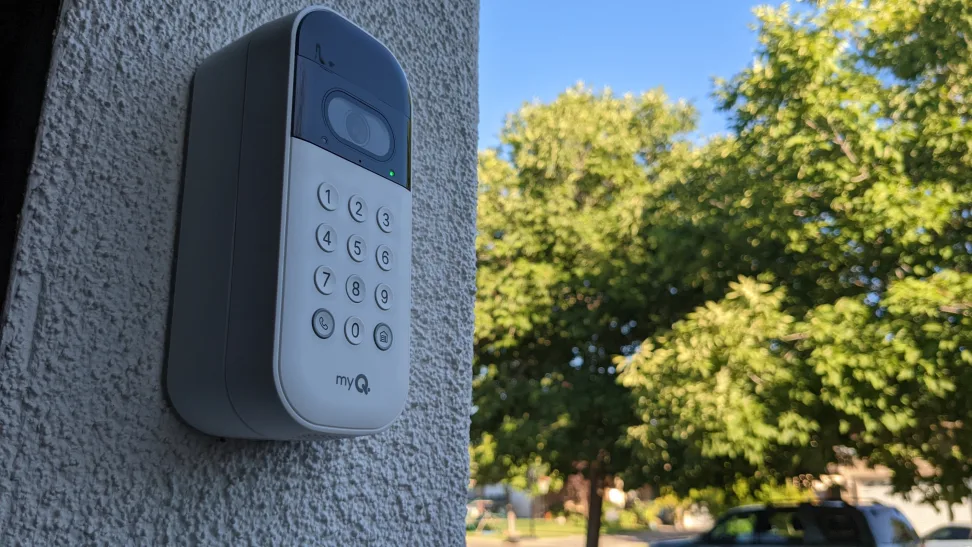
A malfunctioning keypad can be a frustrating obstacle when you’re trying to secure your garage. If your garage door keypad won’t close door, you’re not alone—this is a common issue for many homeowners. Understanding why this problem occurs and how to resolve it can help you restore convenience and safety to your daily routine.
In this guide, we’ll explore the most frequent reasons a keypad may fail to close the garage door, practical troubleshooting steps, and solutions to get your system working smoothly again. We’ll also cover related sensor issues and provide resources for further help, including tips on checking voltage and sensor alignment.
If you’re also experiencing issues with your sensors, you may want to learn how to check garage door sensor voltage to rule out electrical problems early in your troubleshooting process.
Common Reasons a Keypad Won’t Close the Garage Door
When your keypad fails to close the door, several factors could be at play. Identifying the root cause is the first step toward a solution. Here are the most frequent culprits:
- Dead or Weak Batteries: The most straightforward issue is often depleted batteries in the keypad. Without sufficient power, the keypad can’t send a signal to the opener.
- Keypad Programming Errors: If the keypad was recently reset or the opener replaced, it may need to be reprogrammed to communicate with the garage door system.
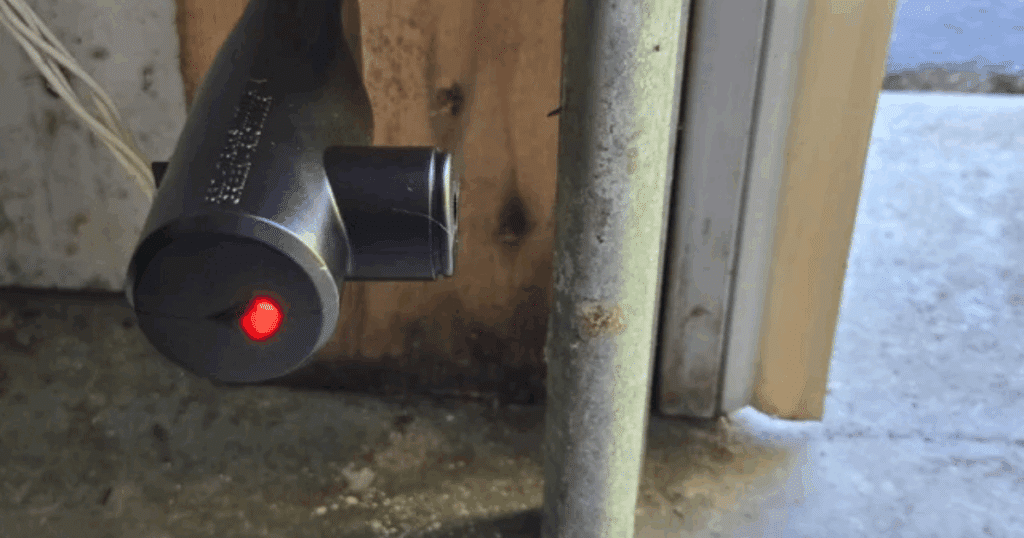
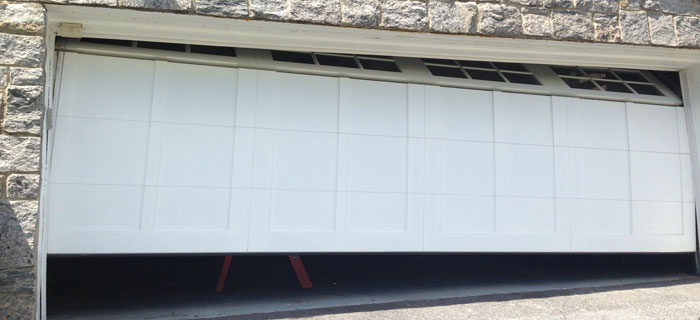
- Sensor Blockages or Misalignment: Modern garage doors use safety sensors to prevent accidents. If these sensors are blocked or misaligned, the system will not allow the door to close from the keypad.
- Wiring or Connection Issues: Loose wires or corroded terminals can interrupt the signal between the keypad and the opener.
- Lock or Vacation Mode: Some openers have a lock or vacation mode that disables remote and keypad operation for security. Accidentally activating this feature can prevent the keypad from closing the door.
Troubleshooting Steps for a Non-Responsive Garage Door Keypad
Before calling a professional, you can perform several checks to diagnose and potentially fix the problem yourself. Follow these steps to systematically address common issues:
1. Replace the Keypad Batteries
Weak or dead batteries are a leading cause of keypad malfunctions. Open the keypad housing, replace the batteries with fresh ones, and test the system again. If the keypad lights up or beeps, but the door still won’t close, continue to the next step.
2. Check for Sensor Obstructions and Alignment
The garage door’s safety sensors, typically located near the base of the door tracks, must be clear of debris and properly aligned. Dust, cobwebs, or objects in the sensor’s path can prevent the door from closing. Gently clean the lenses and ensure both sensors face each other directly. If you notice a yellow or blinking light, you may want to read about why is my garage door sensor yellow for more detailed troubleshooting.
3. Reprogram the Keypad
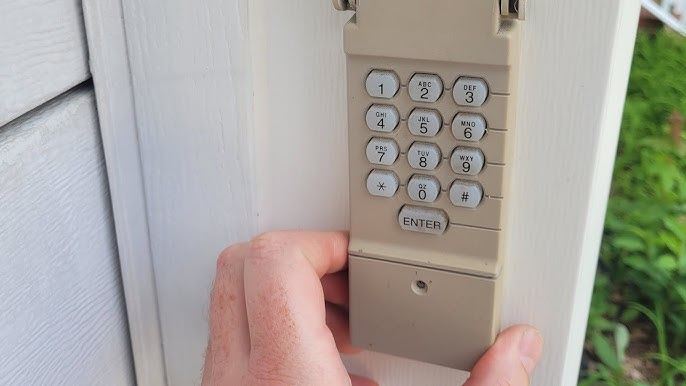
If you’ve recently changed the garage door opener or experienced a power outage, your keypad may need to be reprogrammed. Consult your opener’s manual for specific instructions. Generally, this involves pressing a “learn” button on the opener and entering a new code on the keypad.
4. Inspect for Wiring and Terminal Issues
Over time, wires can become loose or corroded, especially in humid environments. Check the connections at both the keypad and the opener. Tighten any loose screws and clean off corrosion if present. If you’re comfortable with electrical work, you can use a multimeter to ensure proper voltage is reaching the keypad.
5. Check for Lock or Vacation Mode
Some openers have a lock feature that disables keypad and remote operation. Look for a lock button on your wall control panel or consult your opener’s manual to see if this mode is enabled. Disabling it should restore normal keypad function.
Sensor-Related Issues That Prevent Closing
The safety sensors are a critical part of your garage door’s operation. If the sensors detect an obstruction or are misaligned, the opener will refuse to close the door for safety reasons—even if the keypad is functioning properly.
- Dirty or Blocked Sensors: Clean both sensor lenses with a soft cloth. Even a small amount of dirt can disrupt the infrared beam.
- Sunlight Interference: Bright sunlight can sometimes interfere with sensor operation. If this is a recurring problem, consider learning how to install garage door sensor sun shields for improved accuracy.
- Moisture or Condensation: Water on the sensors can cause erratic behavior. For tips on resolving this, see how to fix garage door sensor moisture problems.
When to Replace Your Garage Door Keypad
If you’ve tried all troubleshooting steps and your keypad still won’t close the door, it may be time for a replacement. Keypads can wear out over time due to exposure to weather, physical wear, or internal component failure.
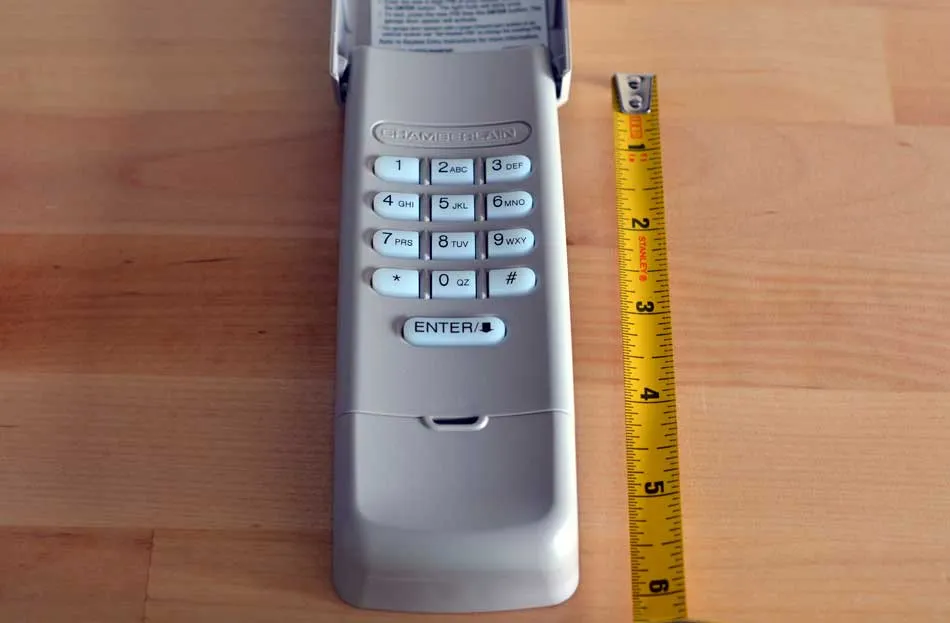
When shopping for a new keypad, ensure compatibility with your opener’s brand and model. Many universal keypads are available, but double-checking specifications can save you time and hassle.
Additional Resources and Professional Help
If you’ve exhausted DIY troubleshooting and still can’t resolve the issue, it may be time to consult a professional. Persistent problems could indicate a deeper electrical or mechanical fault. For more in-depth advice on keypad troubleshooting, you can visit this comprehensive guide on garage door keypad not working.
For those interested in learning more about sensor operation, you might find what is the beam path of a garage door sensor helpful in understanding how these safety devices interact with your keypad and opener.
Frequently Asked Questions
Why does my keypad open the garage door but not close it?
This often points to a sensor-related issue. If the safety sensors are blocked, misaligned, or malfunctioning, the opener will allow the door to open but prevent it from closing for safety reasons. Check for obstructions, clean the lenses, and ensure proper alignment.
Can I bypass the sensors to close my garage door?
While some openers allow you to hold the wall button to force the door closed, bypassing sensors is not recommended as a permanent solution. The sensors are a vital safety feature designed to prevent injury or damage. Always address the root cause of the sensor problem.
How do I reset my garage door keypad?
Most keypads can be reset by pressing the “learn” button on the opener unit, then entering a new code on the keypad. Refer to your opener’s manual for specific instructions, as the process can vary by brand and model.
What should I do if replacing the keypad doesn’t fix the problem?
If a new keypad doesn’t resolve the issue, the problem may lie with the opener’s receiver, wiring, or safety sensors. At this point, it’s best to consult a professional technician for a thorough inspection.