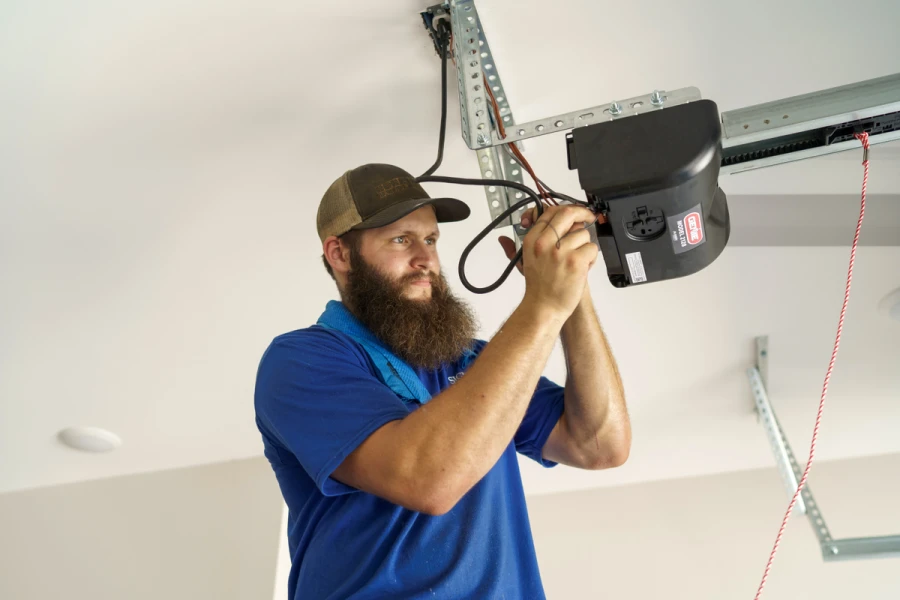
Garage doors rely on a network of components to function smoothly, and the cables are among the most critical. Over time, these cables experience wear and tear due to frequent use, environmental exposure, and natural aging. Recognizing the early signs of cable deterioration can help prevent sudden failures, costly repairs, and potential safety hazards.
Understanding how to spot aging hardware and knowing when to act is essential for homeowners who want to keep their garage doors operating safely and efficiently. In this article, we’ll explore the most common indicators of cable fatigue, why these issues develop, and practical steps you can take to maintain your garage door system.
For more information on related issues and how to address them, see our guide on garage door cable common problems.
Understanding the Role of Garage Door Cables
Garage door cables are responsible for lifting and lowering the door by working in conjunction with springs and pulleys. These cables are typically made from galvanized steel for strength and durability, but even the toughest materials degrade over time. The garage door cable wear and tear process is gradual, often going unnoticed until a problem arises.
When cables begin to fail, the entire system can become unbalanced. This not only makes the door difficult to operate but can also pose a significant safety risk. Regular inspections and maintenance are crucial for catching issues before they escalate.
Key Signs Your Garage Door Cables Are Aging
Spotting the early warning signs of cable deterioration can save you from unexpected breakdowns. Here are the most common indicators that your cables may be reaching the end of their service life:
- Visible Fraying or Broken Strands: If you notice strands of wire sticking out or sections where the cable appears to be unraveling, it’s a clear sign of advanced cable wear.
- Rust and Corrosion: Exposure to moisture and humidity can cause cables to rust. Corroded cables lose their strength and are more likely to snap.
- Slack or Loose Cables: Cables should always be taut. If you see sagging or slack, it could indicate stretching or internal damage.
- Unusual Noises: Squeaking, grinding, or popping sounds during operation may point to cable friction or misalignment.
- Door Movement Issues: If the door moves unevenly, gets stuck, or appears crooked, cable problems could be the culprit.
Regularly checking for these symptoms can help you address problems before they become emergencies. For a detailed checklist on what to look for, refer to our garage door cable replacement checklist.

Common Causes of Cable Deterioration
Understanding why cables degrade can help you take steps to extend their lifespan. The most frequent causes of garage door cable wear and tear include:
- Frequent Use: The more often your garage door is operated, the faster the cables will wear out.
- Environmental Exposure: Humidity, rain, and salt (in coastal areas) accelerate corrosion and rust.
- Lack of Maintenance: Failing to lubricate moving parts or inspect cables regularly can speed up deterioration.
- Poor Installation: Incorrectly installed cables may wear unevenly or become damaged prematurely.
- Physical Damage: Accidental impacts or obstructions can kink or fray cables.
For more on keeping your cables in top shape, check out our garage door cable prevention tips.
How to Inspect Your Garage Door Cables
Regular inspection is the best way to catch problems early. Here’s a simple process for checking your cables:
- Disconnect the Opener: Always unplug the automatic opener before inspecting the door to avoid accidental movement.
- Examine the Cables: Look for fraying, rust, or broken strands along the entire length of each cable.
- Check Tension: Gently press on the cables—they should feel firm and taut, not loose or sagging.
- Listen During Operation: Open and close the door manually, listening for unusual noises that could indicate friction or misalignment.
If you notice any issues, it’s best to consult a professional or refer to our garage door cable professional guide for more advanced troubleshooting.

When to Replace Garage Door Cables
Knowing when to replace your cables is crucial for safety. If you observe any of the following, replacement is recommended:
- Multiple frayed or broken strands
- Significant rust or corrosion
- Cables that are visibly stretched or deformed
- Persistent operational issues despite adjustments
Attempting to repair or replace cables yourself can be dangerous due to the high tension involved. It’s usually best to call a qualified technician for this task. For a comprehensive overview of the replacement process, visit our garage door cable replacement checklist.
Preventing Premature Cable Wear
While some garage door cable wear and tear is inevitable, you can extend the life of your cables with proper care:
- Schedule Regular Maintenance: Have your door serviced annually by a professional.
- Lubricate Moving Parts: Use a silicone-based lubricant on cables, pulleys, and springs to reduce friction.
- Keep the Area Clean: Remove debris and moisture from the garage to minimize corrosion risks.
- Inspect After Severe Weather: Check cables for damage following storms or extreme temperature changes.
For more strategies to boost your system’s performance, read about garage door cable efficiency.
Why Timely Action Matters
Ignoring the signs of cable fatigue can lead to sudden door failure, property damage, or even personal injury. Proactive maintenance and timely replacement not only protect your investment but also ensure the safety of everyone using the garage. If you’re unsure about the condition of your cables, don’t hesitate to seek expert advice or schedule a professional inspection.
For a deeper dive into how cables contribute to overall safety and function, check out this comprehensive look at the role of cables in garage door safety and functionality.
Frequently Asked Questions
How often should I inspect my garage door cables?
It’s recommended to visually inspect your cables at least twice a year. If your garage door sees heavy use or is exposed to harsh conditions, consider more frequent checks and schedule professional maintenance annually.
Can I replace garage door cables myself?
Replacing cables can be dangerous due to the high tension involved. Unless you have the proper tools and experience, it’s safer to hire a professional technician for cable replacement.
What are the risks of ignoring cable wear?
Neglecting cable issues can lead to sudden door failure, which may cause property damage or personal injury. Promptly addressing signs of wear helps maintain safe and reliable operation.