Garage door cables are essential components that help your door open and close smoothly and safely. When these cables malfunction, your garage door can become stuck, unbalanced, or even dangerous to operate. Understanding the most common issues with garage door cables and knowing how to address them can save you time, money, and frustration.
This article breaks down the typical cable problems homeowners face, offers practical troubleshooting steps, and highlights when to call a professional. Whether your door is stuck halfway or you’ve noticed fraying wires, you’ll find actionable advice here to keep your garage door running reliably.
For a more technical breakdown of cable types, installation, and advanced troubleshooting, you can refer to our garage door cable professional guide for in-depth tips and specifications.
Recognizing Signs of Cable Trouble
Identifying garage door cable common problems early can prevent more serious damage to your door system. Here are some warning signs to watch for:
- Frayed or worn cables: Visible strands sticking out or thinning wires indicate wear and tear.
- Slack or loose cables: Cables that appear droopy or have lost tension can cause the door to operate unevenly.
- Door stuck or uneven: If your garage door is crooked, jammed, or won’t open/close fully, cable issues may be the culprit.
- Loud noises: Grinding, snapping, or popping sounds during operation often point to cable or pulley problems.
- Broken cable: A snapped cable will leave one side of the door unsupported, making it heavy and unsafe to move.
Regular visual inspections are the best way to spot these issues before they escalate. If you notice any of these symptoms, it’s important to act quickly to avoid further damage or safety hazards.
Understanding Why Garage Door Cables Fail
Several factors contribute to cable failures. Knowing the root causes can help you prevent future problems:
- Normal wear and tear: Over time, cables endure repeated tension and friction, leading to gradual weakening.
- Poor maintenance: Lack of lubrication or cleaning accelerates corrosion and wear.
- Rust and corrosion: Exposure to moisture, road salt, or chemicals can cause cables to rust and break down.
- Misaligned pulleys or tracks: If pulleys or tracks are bent or out of alignment, cables may slip or fray.
- Improper installation: Incorrect cable winding or attachment can result in premature failure.
To minimize these risks, consider following a seasonal care routine. Our garage door cable seasonal maintenance guide offers practical advice for both winter and summer care.
Quick Fixes for Typical Cable Issues
Some garage door cable issues can be resolved with simple DIY steps, while others require professional intervention. Here’s how to address the most frequent problems:
1. Addressing Slack or Loose Cables
If your cables have become loose, you may be able to restore tension by resetting the door and checking the cable drums. Follow these steps:
- Disconnect the garage door opener by pulling the emergency release cord.
- Manually lift the door to its fully open position.
- Inspect the cables on both sides to ensure they are properly seated in the drums and not tangled.
- If the cable has slipped off, carefully wind it back onto the drum, making sure it sits evenly.
- Reconnect the opener and test the door’s movement.
Important: If the cable is frayed or damaged, do not attempt to reuse it—replacement is necessary for safety.
2. Dealing with Frayed or Worn Cables
Fraying is a sign that the cable is nearing the end of its lifespan. Replacing the cable is the safest option. You can find detailed installation instructions in this step-by-step guide to installing garage door springs and cables. If you’re not comfortable with the process, it’s best to hire a professional, as high-tension springs can be hazardous.
3. Fixing a Garage Door Off Track Due to Cable Problems
A cable that has come off its drum or snapped can cause the door to become crooked or jammed. To fix this:
- Stop using the door immediately to prevent further damage.
- Secure the door in place with locking pliers or clamps.
- Do not attempt to lift or lower the door until the cable is repaired or replaced.
- Contact a qualified technician if you are unsure how to proceed.
Attempting to operate a door with a broken cable can result in injury or additional mechanical failures.
Preventing Cable Failures: Maintenance Tips
Routine maintenance is the best way to avoid garage door cable common problems. Here’s what you can do:
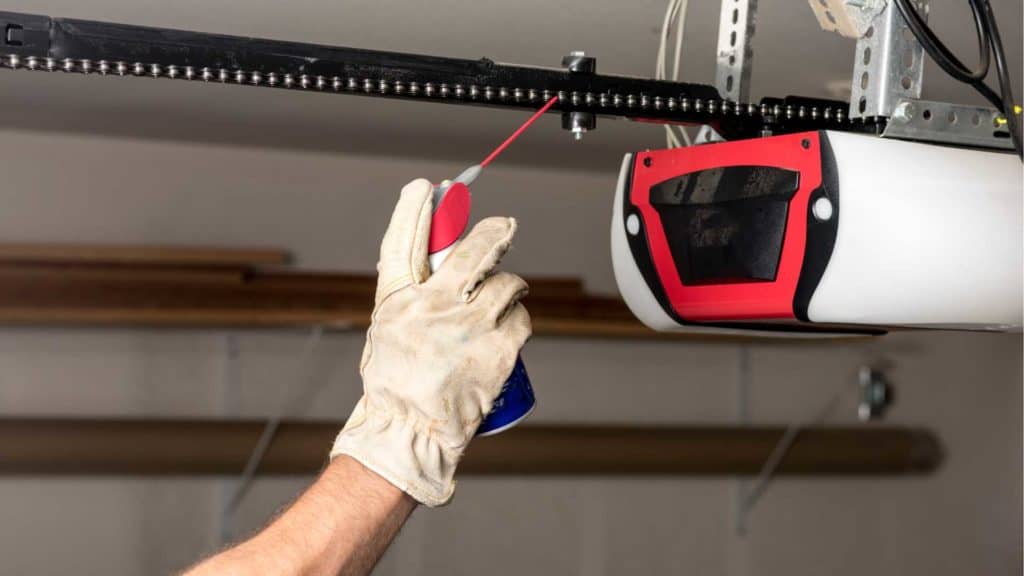
- Lubricate moving parts: Apply a garage door lubricant to the cables, pulleys, and springs every few months to reduce friction and prevent rust.
- Inspect regularly: Check cables for signs of wear, corrosion, or fraying at least twice a year.
- Keep tracks clean: Remove debris and dirt from the tracks to ensure smooth cable movement.
- Monitor door balance: If the door feels heavy or moves unevenly, inspect the cables and springs for issues.
- Replace cables proactively: Don’t wait for a complete failure—replace cables at the first sign of significant wear.
For more on protecting cables from environmental damage, see our garage door cable corrosion prevention resource.
When to Call a Professional for Cable Repairs
While some minor cable adjustments can be handled by experienced DIYers, many repairs involve high tension and risk of injury. Contact a professional if:
- The cable is snapped or severely frayed.
- The door is stuck open or closed and cannot be moved safely.
- You notice issues with the springs, pulleys, or drums in addition to the cables.
- You are unsure about the repair process or lack the proper tools.
Professional technicians have the expertise and equipment to handle complex repairs safely and efficiently, ensuring your garage door operates reliably for years to come.
If you’re considering an upgrade, our garage door cable system upgrade article covers modern solutions that can boost both safety and performance.
FAQ: Garage Door Cable Issues
How often should garage door cables be replaced?
Most cables last 7–10 years with regular use and maintenance. However, if you notice fraying, rust, or visible damage, replace them immediately to avoid sudden failure.
Can I repair a garage door cable myself?
Minor adjustments, such as reseating a slipped cable, can be done by experienced DIYers. However, replacing cables or working near high-tension springs should be left to professionals due to the risk of injury.
What causes garage door cables to come off the drum?
Cables can slip off the drum due to uneven tension, broken springs, misaligned tracks, or sudden impacts. Regular maintenance and prompt repairs help prevent this issue.
Are there ways to prevent cable corrosion?
Yes. Keep cables lubricated, clean, and protected from moisture. For detailed prevention tips, see our corrosion prevention guide.
Why is my garage door uneven or crooked?
An uneven door is often caused by a cable issue on one side. Inspect both cables for slack, fraying, or breakage, and address the problem before operating the door further.
By staying vigilant and addressing garage door cable common problems promptly, you can extend the life of your garage door and ensure safe, smooth operation. Regular inspections, timely maintenance, and knowing when to call a professional are the keys to avoiding costly repairs and unexpected breakdowns.