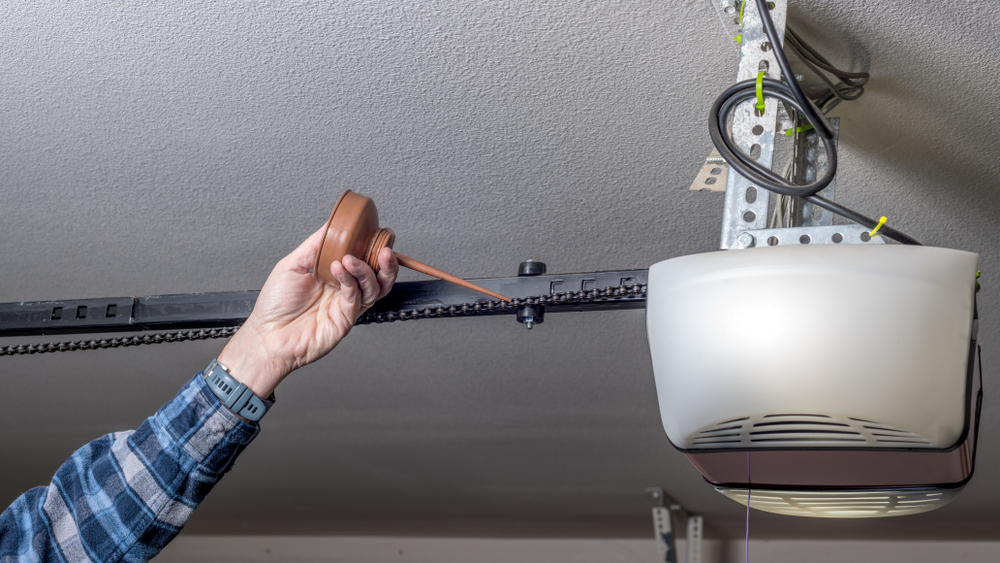
When it comes to the reliable operation of your garage door, the efficiency of the cables plays a pivotal role. Well-maintained and properly installed cables ensure that your garage door opens and closes smoothly, with minimal effort and reduced strain on the opener and springs. Understanding how these components work, what affects their performance, and how to keep them in optimal condition is essential for homeowners seeking both convenience and safety.
In this guide, we’ll explore the factors that influence garage door cable efficiency, offer practical tips for maintenance, and highlight the benefits of choosing quality cables for your system. If you’re interested in a deeper technical dive, the garage door cable professional guide provides expert insights and specifications to help you make informed decisions.
Why Cable Efficiency Matters for Garage Doors
The cables in your garage door system are responsible for lifting and lowering the heavy door panel in coordination with the springs and pulleys. When these cables operate efficiently, the entire system runs smoothly, reducing wear on the opener and minimizing the risk of sudden failures. Poorly functioning cables can lead to jerky movement, excessive noise, and even dangerous situations if a cable snaps under tension.
Key reasons to prioritize efficient garage door cables include:
- Safety: Properly functioning cables prevent accidents and injuries.
- Longevity: Efficient cables reduce stress on other components, extending the life of your door system.
- Convenience: Smooth operation means less effort and fewer interruptions in daily use.
- Energy Savings: Well-balanced doors require less power from automatic openers.
Factors That Influence Garage Door Cable Performance
Several factors can impact how well your garage door cables perform. Understanding these elements can help you maintain optimal garage door cable efficiency and prevent common issues.
Material Quality and Construction
Most residential garage door cables are made from galvanized steel, which offers strength and resistance to corrosion. However, not all cables are created equal. Higher-quality cables feature tightly wound strands and robust end fittings, which contribute to smoother operation and longer service life. For those considering an upgrade, the garage door cable system upgrade article outlines modern options that enhance performance.
Proper Installation and Tension
Even the best cables will underperform if they are not installed with the correct tension. Too much slack can cause cables to slip off the drum, while excessive tension may lead to premature wear or breakage. If you’re tackling installation or replacement yourself, following a step-by-step guide for installing garage door springs and cables is essential for safety and efficiency.
Regular Maintenance and Inspection
Routine checks for fraying, rust, or kinks can help you catch problems before they lead to failure. Lubricating the cables and pulleys with a suitable product reduces friction and supports effortless lifting. For seasonal care tips, see the garage door cable seasonal maintenance resource.
Common Problems That Affect Cable Efficiency
Even with regular care, certain issues can compromise the smooth operation of your garage door cables. Recognizing these problems early can help you avoid more costly repairs down the line.
- Fraying or Broken Strands: Over time, cables may develop broken wires due to repeated flexing or abrasion. This weakens the cable and can eventually cause it to snap.
- Rust and Corrosion: Exposure to moisture and road salts can lead to rust, making cables brittle and less effective. For comprehensive prevention strategies, the garage door cable corrosion prevention guide is a valuable resource.
- Kinks and Twists: Improper handling or sudden impacts can cause cables to kink, which disrupts their movement and increases the risk of failure.
- Misalignment: If the cables are not properly aligned on the drum or pulley, they may slip or bind, leading to uneven lifting and extra strain on the opener.
How to Maintain Optimal Cable Performance
Maintaining garage door cable efficiency is straightforward with a few proactive steps:
- Inspect Regularly: Check cables for signs of wear, rust, or fraying at least twice a year.
- Lubricate Moving Parts: Use a silicone-based lubricant on cables and pulleys to reduce friction and noise.
- Keep Cables Clean: Wipe away dirt and debris that can cause abrasion or trap moisture.
- Address Issues Promptly: If you notice any irregularities, schedule repairs before the problem worsens.
- Replace When Necessary: Don’t delay replacing cables that show significant wear. Refer to the garage door cable moisture damage article for guidance on dealing with rust and corrosion.
When to Replace Garage Door Cables
Knowing when to replace your garage door cables is crucial for maintaining a safe and efficient system. Here are some signs that indicate it’s time for new cables:
- Visible fraying or broken strands
- Rust patches or corrosion, especially near the ends
- Kinks, bends, or flattening along the cable length
- Difficulty opening or closing the door, or uneven movement
Replacing cables is a task best left to professionals, as the tension involved can be dangerous. However, if you have the right tools and experience, following a trusted installation guide for garage door cables and springs can help ensure a safe and effective repair.
Frequently Asked Questions
How often should garage door cables be inspected?
It’s recommended to inspect your garage door cables at least twice a year, ideally during seasonal maintenance. Look for signs of wear, rust, and fraying to catch issues early.
Can I lubricate garage door cables myself?
Yes, you can apply a silicone-based lubricant to the cables and pulleys to reduce friction and noise. Avoid using heavy oils or grease, as they can attract dirt and cause buildup.
What are the risks of ignoring cable maintenance?
Neglecting cable care can lead to sudden failures, which may cause the door to become stuck or even fall unexpectedly. This poses safety risks and can result in costly repairs to other components.
Are there ways to prevent cable corrosion?
Keeping cables clean and dry, applying a light lubricant, and addressing moisture issues in your garage can help prevent corrosion. For more detailed strategies, refer to the corrosion prevention guide.
Should I replace both cables if only one is damaged?
It’s generally best to replace both cables at the same time, even if only one shows visible damage. This ensures balanced operation and reduces the risk of future failures.
By understanding the factors that impact garage door cable efficiency and following best practices for maintenance, you can enjoy smooth, reliable operation for years to come. Investing in quality cables and staying proactive with care will help you avoid unexpected breakdowns and keep your garage door running at its best.