Garage door cables are a crucial part of any overhead door system, ensuring smooth and safe operation. Whether you’re a homeowner, property manager, or technician, understanding the technical aspects, maintenance, and troubleshooting of these cables can help you avoid costly repairs and extend the life of your garage door. This garage door cable professional guide delivers practical insights, expert tips, and essential specifications for anyone looking to handle cable issues with confidence.
Proper care and knowledge of your garage door’s cable system not only improve safety but also enhance performance. Early attention to cable wear, corrosion, and alignment can prevent sudden failures. For those interested in advanced maintenance, exploring garage door cable corrosion prevention is a smart step toward long-term reliability.
Understanding Garage Door Cable Types and Functions
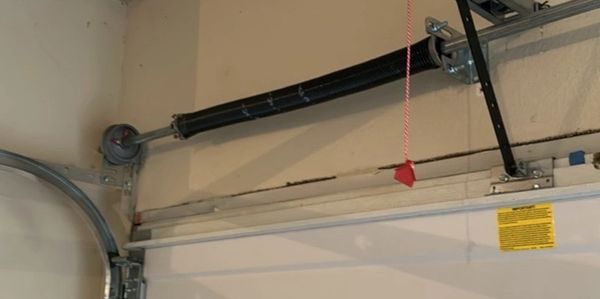
Garage door cables are designed to support the weight of the door as it opens and closes. There are two primary types found in residential and commercial systems:
- Torsion cables: Used with torsion spring systems, these cables wind around drums at the top corners of the door. They’re responsible for lifting the door evenly.
- Extension cables: Paired with extension springs, these run along the horizontal tracks and stretch as the door closes, helping to counterbalance the weight.
Each type of cable must be matched to the door’s size, weight, and spring system. Using the wrong cable can lead to uneven lifting, premature wear, or even dangerous failures. For a deeper dive into seasonal care, see the garage door cable seasonal maintenance resource.
Key Specifications: Materials, Sizing, and Ratings
Choosing the right cable involves understanding several technical specifications:
- Material: Most cables are made from galvanized steel for corrosion resistance and strength. Stainless steel is sometimes used in coastal or high-moisture environments.
- Diameter: Common residential cable diameters are 1/8” or 3/32”. Heavier doors or commercial applications may require thicker cables.
- Length: Torsion cables are typically the height of the door plus 18 inches. Extension cables are often longer to accommodate the spring stretch.
- Load rating: Always ensure the cable’s rated strength exceeds the total weight of the door.
Incorrect sizing or material selection can result in cable fraying, stretching, or snapping. Always consult your door manufacturer’s specs or a professional before replacing cables.
Installation and Adjustment: Step-by-Step Tips
Proper installation and adjustment are vital for cable longevity and door safety. Here’s a streamlined process for replacing or adjusting cables:
- Disconnect power to the garage door opener and secure the door in the open position with locking pliers or clamps.
- Release spring tension carefully, following manufacturer instructions. This step is critical for safety—torsion springs are under high tension.
- Remove old cables by detaching them from the bottom bracket and drum or pulley system.
- Install new cables, ensuring they are routed correctly and seated in the drum or pulley grooves.
- Reapply spring tension and test the door’s balance. The door should stay in place when partially open.
- Lubricate moving parts and check for smooth operation.
If you’re unsure about handling high-tension springs, it’s always best to consult a qualified technician. For more troubleshooting advice, see the garage door cable problems guide.
Common Issues and Pro Troubleshooting
Even with the best cables, issues can arise. Here are some frequent problems and how to address them:
- Fraying or rust: Indicates aging or exposure to moisture. Replace cables immediately to avoid breakage. Learn about garage door cable moisture damage and solutions for rust and corrosion.
- Cable off drum: Often caused by an unbalanced door or impact. Re-seat the cable and inspect for underlying alignment issues.
- Uneven lifting: May signal a stretched cable or spring imbalance. Adjust or replace as needed.
- Snapped cable: Never operate the door with a broken cable. Replace both cables to ensure even wear and safe operation.
Routine inspections and prompt repairs are the best way to prevent sudden failures. For best practices on extending cable life, check out garage door cable best practices.
Maintenance Strategies for Cable Longevity
Regular maintenance is essential for keeping your garage door cables in top shape. Here are some professional strategies:
- Inspect cables monthly for signs of wear, fraying, or corrosion.
- Lubricate the cables lightly with a silicone-based spray to reduce friction and moisture buildup.
- Check cable tension and door balance at least twice a year, especially after heavy use or seasonal changes.
- Address moisture issues by improving garage ventilation and using corrosion-resistant cables if needed.
Following these steps can prevent unexpected breakdowns and extend the lifespan of your entire garage door system. For more in-depth seasonal advice, refer to the garage door cable seasonal maintenance article.
Expert Tips and Advanced Resources
For those looking to go beyond the basics, here are some advanced recommendations:
- Always use manufacturer-approved parts and hardware for replacements.
- Keep a record of cable replacements and maintenance dates for future reference.
- Stay updated with the latest industry best practices for garage door cable systems to ensure safety and compliance.
- Consider professional inspection if you notice unusual noises, jerky movement, or visible cable damage.
By following these expert tips, you can maximize safety and performance while minimizing costly repairs.
Frequently Asked Questions
How often should garage door cables be replaced?
Most cables last 7–10 years under normal use, but replacement may be needed sooner if you notice fraying, rust, or stretching. Regular inspections help catch problems early.
Can I replace garage door cables myself?
While some experienced DIYers can handle cable replacement, working with high-tension springs can be dangerous. If you’re not confident, it’s best to hire a professional technician.
What are signs that garage door cables need attention?
Look for visible fraying, rust, or kinks in the cable. If the door lifts unevenly, makes grinding noises, or the cable slips off the drum, immediate inspection and repair are recommended.
How do I prevent cable corrosion?
Keep cables clean and lightly lubricated, improve garage ventilation, and consider galvanized or stainless steel cables in humid environments. For detailed prevention strategies, see garage door cable corrosion prevention.
Are there different cables for residential and commercial doors?
Yes, commercial doors typically require thicker, stronger cables to handle heavier loads. Always check your door’s specifications before purchasing replacement parts.