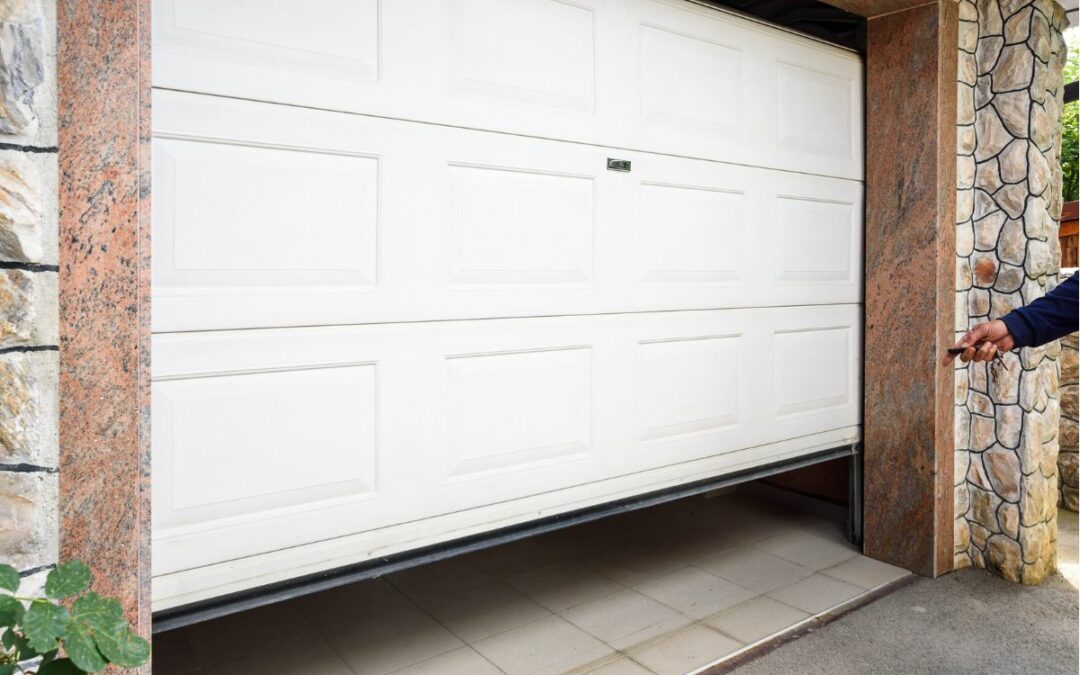
When your garage door stops midway and refuses to open or close completely, it can disrupt your day and raise concerns about safety and security. This common issue often leaves homeowners searching for reliable garage door halfway problem solutions that actually work. Understanding the root causes and learning how to troubleshoot them can help you restore your garage door’s smooth operation and avoid unnecessary repair costs.
In this article, we’ll walk through the most frequent reasons a garage door gets stuck partway, practical steps for diagnosis, and actionable advice for resolving the issue. Whether you’re dealing with a stubborn opener, misaligned tracks, or sensor problems, you’ll find expert guidance to help you get your garage door moving again.
For those troubleshooting related sensor issues, you might also find value in our guide on how to fix garage door sensor mounting on metal studs.
Common Causes of a Garage Door Stopping Midway
Before diving into garage door halfway problem solutions, it’s essential to identify what’s causing the malfunction. Several factors can lead to a door halting in the middle of its cycle:
- Obstructions on the Track: Debris, dirt, or small objects can block the door’s path.
- Misaligned or Damaged Tracks: Bent or shifted tracks prevent smooth movement.
- Sensor Issues: Faulty or misaligned safety sensors can halt operation for safety reasons.
- Spring or Cable Problems: Broken or worn-out springs and cables can’t support the door’s weight.
- Opener Limit Settings: Incorrectly set travel limits can cause the door to stop prematurely.
- Lack of Lubrication: Dry rollers, hinges, or tracks increase friction and resistance.
- Electrical or Remote Control Issues: Faulty wiring or dead batteries can interrupt signals.
Step-by-Step Troubleshooting for a Stuck Garage Door
Addressing a garage door that won’t open or close fully requires a systematic approach. Here are the key steps to diagnose and resolve the problem:
1. Inspect for Physical Obstructions and Track Alignment
Begin by checking the tracks on both sides of the door. Remove any debris, dirt, or objects that could be blocking the rollers. Look for bends or misalignments in the tracks. If you notice any, gently tap them back into place with a rubber mallet. Never attempt to force a severely bent track—this may require professional repair.

2. Check and Adjust the Safety Sensors
Modern garage doors are equipped with safety sensors near the bottom of the tracks. If these sensors are dirty, misaligned, or blocked, the door may stop or reverse direction. Clean the sensor lenses with a soft cloth and ensure both sensors are facing each other. The indicator lights should be steady, not blinking. If you’re still having trouble, refer to our article on why is my garage door sensor light blinking twice for more detailed troubleshooting.
3. Examine Springs, Cables, and Hardware
Broken or stretched springs and cables can prevent the door from moving smoothly. Visually inspect these components for signs of wear, fraying, or breakage. If you suspect a spring or cable issue, do not attempt to repair it yourself—these parts are under high tension and can be dangerous. Contact a professional technician for safe repairs.
4. Adjust Opener Travel and Force Settings
Garage door openers have travel limit and force adjustment screws, usually located on the motor unit. If the door stops short of fully opening or closing, the limits may need to be reset. Consult your opener’s manual for instructions, or consider upgrading to a modern unit with easier controls. For reliable performance, see the Buy Garage Door Opener option above.
5. Lubricate Moving Parts
Lack of lubrication can cause excessive friction, leading to the door sticking or stopping. Apply a high-quality garage door lubricant to the rollers, hinges, and tracks. Avoid using grease, which can attract dirt and debris. Regular lubrication is one of the simplest garage door halfway problem solutions and can extend the life of your system.
When to Call a Professional for Garage Door Issues
While many garage door halfway problem solutions can be handled by homeowners, some situations require expert attention. If you notice broken springs, damaged cables, or persistent electrical problems, it’s safest to contact a qualified technician. Attempting complex repairs without the right tools or experience can result in injury or further damage.
For more in-depth troubleshooting, you can also consult resources like this comprehensive guide to garage door stopping halfway for additional tips and professional advice.
Preventive Maintenance Tips for Reliable Garage Door Operation
Keeping your garage door in top condition reduces the risk of future problems. Here are some maintenance practices to consider:
- Inspect tracks, rollers, and hinges monthly for signs of wear or debris.
- Lubricate all moving parts every three to six months using a recommended spray.
- Test the balance of your door by disconnecting the opener and lifting the door manually—it should stay open about halfway.
- Check and clean safety sensors regularly to ensure proper alignment and function.
- Replace remote control batteries and inspect wiring connections annually.
If you encounter issues with sensor wiring, our article on how to fix garage door sensor wiring using electrical tape provides step-by-step instructions.
FAQ: Answers to Common Garage Door Stuck Midway Questions
Why does my garage door only open or close halfway?
The most common reasons include obstructions on the track, misaligned sensors, broken springs, or incorrect opener settings. Start by checking for visible blockages and ensuring the sensors are clean and aligned.
Can I fix a garage door that stops halfway myself?
Many issues, such as cleaning tracks, adjusting sensors, or lubricating parts, can be handled by homeowners. However, repairs involving springs or cables should be left to professionals due to the risk of injury.
How often should I lubricate my garage door to prevent sticking?
Lubricate the rollers, hinges, and tracks every three to six months with a quality garage door lubricant. Regular maintenance helps prevent friction-related problems and extends the lifespan of your door.
What should I do if my garage door sensors are not working?
Clean the sensor lenses, check their alignment, and make sure nothing is blocking the beam. If the indicator lights are still blinking or the door won’t operate, consult a professional or refer to our troubleshooting guides for further steps.
Is it safe to adjust the opener’s limit settings myself?
Adjusting the travel and force settings is usually safe if you follow the manufacturer’s instructions. If you’re unsure or the problem persists after adjustment, seek professional help to avoid damaging your opener or door.