When your garage door stops or reverses halfway, it can be both inconvenient and concerning. Understanding the garage door halfway troubleshooting flow is essential for homeowners and property managers who want to quickly diagnose and resolve these issues. This guide walks through the most common causes, provides a step-by-step diagnostic approach, and helps you determine when professional help is needed.
Addressing a garage door that won’t open or close fully requires a systematic approach. By following a logical troubleshooting process, you can often identify the root cause—whether it’s a sensor misalignment, track obstruction, or opener malfunction. For those dealing with related sensor issues, you might also find our resource on how to fix garage door sensor mounting on metal studs helpful.

Understanding the Garage Door Halfway Troubleshooting Flow
The garage door halfway troubleshooting flow is a step-by-step process designed to help you pinpoint why your door isn’t operating as expected. This methodical approach involves checking for mechanical, electrical, and safety issues in a logical order. By following these steps, you can save time and avoid unnecessary repairs.
- Identify whether the problem occurs while opening, closing, or both.
- Observe any unusual noises or resistance.
- Check for visible obstructions or damage.
- Test the door manually to rule out opener issues.
- Inspect sensors, tracks, and springs for faults.
Common Reasons a Garage Door Stops Midway
Several factors can cause a garage door to halt or reverse before completing its cycle. Understanding these common culprits is the first step in the troubleshooting process.
- Obstructed Tracks: Dirt, debris, or physical damage can prevent smooth movement.
- Sensor Misalignment: Safety sensors may detect an obstacle or be out of alignment.
- Broken or Worn Springs: Torsion or extension springs that are damaged can limit door movement.
- Opener Limit Settings: Incorrectly set open/close limits can cause the door to stop prematurely.
- Mechanical Binding: Rollers or hinges may be bent or require lubrication.
- Electrical Issues: Faulty wiring or power interruptions can disrupt operation.
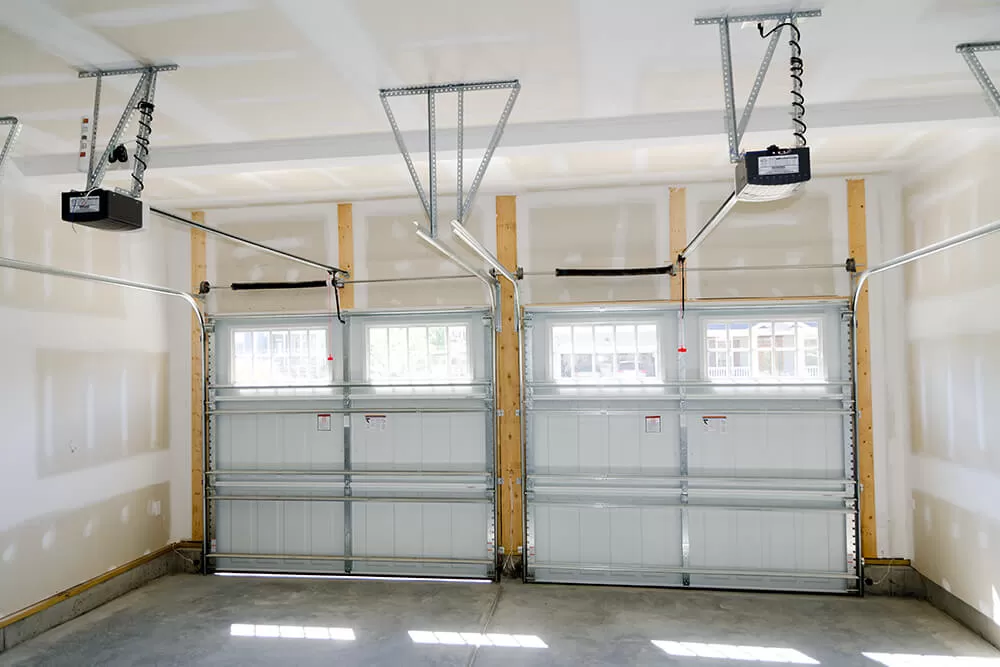
Step-by-Step Diagnostic Flow for a Stuck Garage Door
To effectively troubleshoot a garage door that won’t move past the halfway point, follow this structured process:
1. Inspect for Physical Obstructions and Track Issues
Begin by visually examining the tracks for debris, dents, or misalignment. Even small objects or bent metal can impede the door’s movement. Remove any obstructions and gently realign tracks if needed.
2. Check the Safety Sensors
Misaligned or dirty sensors are a frequent cause of halfway stoppages. Ensure both sensors are facing each other and have clean lenses. If the indicator lights are blinking, realign them until the lights remain steady. For more on sensor troubleshooting, see our article on why is my garage door sensor light blinking twice.
3. Test the Door Manually
Disconnect the opener by pulling the emergency release cord. Lift the door by hand. If it moves smoothly, the issue likely lies with the opener or sensors. If it’s heavy or sticks, mechanical problems such as worn springs or rollers are probable.
4. Review the Opener’s Limit and Force Settings
Garage door openers have adjustable limit and force settings that control how far and how hard the door travels. If these are set incorrectly, the opener may stop or reverse the door. Consult your opener’s manual to adjust these settings as needed.
5. Examine Springs and Cables
Broken or stretched springs and frayed cables can prevent the door from operating correctly. If you notice gaps in the springs or visible wear on cables, contact a professional for replacement, as these components are under high tension and can be dangerous to repair yourself.
When to Call a Professional
While many garage door issues can be resolved with basic troubleshooting, some problems require expert attention. If you encounter broken springs, damaged cables, or persistent electrical faults, it’s safest to consult a qualified technician. Attempting repairs on high-tension components can be hazardous.
For a deeper dive into why doors stop partway, see this comprehensive explanation of mid-cycle garage door stoppages.
Preventive Maintenance Tips
Regular maintenance can help prevent many of the issues that cause a garage door to stop halfway. Here are some practical tips:
- Keep tracks and rollers clean and free of debris.
- Lubricate moving parts with a quality garage door lubricant spray every six months.
- Test safety sensors monthly and realign as needed.
- Inspect springs and cables for signs of wear.
- Check opener settings after power outages or adjustments.
FAQ
Why does my garage door reverse or stop halfway when closing?
This is often due to misaligned safety sensors, obstructions in the door’s path, or incorrectly set opener limits. Start by checking for debris and ensuring the sensors are properly aligned.
Can I fix a garage door that stops halfway myself?
Many issues, such as cleaning tracks or realigning sensors, can be handled by homeowners. However, repairs involving springs or cables should be left to professionals due to the risk of injury.
What should I do if the door is stuck and won’t move manually?
If the door is difficult to move by hand, disconnect the opener and check for mechanical binding or broken springs. If you cannot resolve the issue easily, contact a garage door technician for assistance.
Are there other sensor-related problems I should watch for?
Yes, sensor wiring issues and transmitter problems can also affect door operation. For more information, see our guides on how to fix garage door sensor wiring using electrical tape and why is my garage door sensor transmitter dead.
By following the garage door halfway troubleshooting flow outlined above, you can systematically address most common issues and keep your garage door operating smoothly.