Experiencing a break-in can be a distressing event for any homeowner. Your garage door, often an overlooked entry point, plays a crucial role in home security. Immediately after such an incident, a thorough garage door inspection after break in becomes essential. This not only helps in assessing the damage but also fortifies your home against future incidents.
Why Inspect Your Garage Door After a Break-In?
A garage door inspection post-break-in is vital for several reasons. Firstly, it helps you understand the extent of the damage caused during the intrusion. Secondly, it provides an opportunity to identify any vulnerabilities that could be exploited in the future. Lastly, it allows you to make necessary repairs or upgrades to enhance security.
Common Damages to Check
- Physical Damage: Look for dents, scratches, or any other visible signs of forceful entry.
- Lock Mechanism: Ensure that the locks are still functional and haven’t been tampered with.
- Door Alignment: Check if the door aligns properly with the tracks and closes securely.
Steps to Conduct a Thorough Garage Door Inspection
1. Visual Inspection
Begin with a comprehensive visual inspection. Check the door panels, hinges, and tracks for any signs of damage. If your garage door has windows, ensure they are intact and not compromised.
2. Test the Door’s Balance
A balanced door should stay in place when opened halfway. If it moves up or down, the springs might be damaged or need adjustment.
3. Examine the Hardware
Inspect all nuts, bolts, and screws. Tighten any that may have come loose during the break-in. Pay particular attention to the brackets that hold the tracks and ensure they are secure.
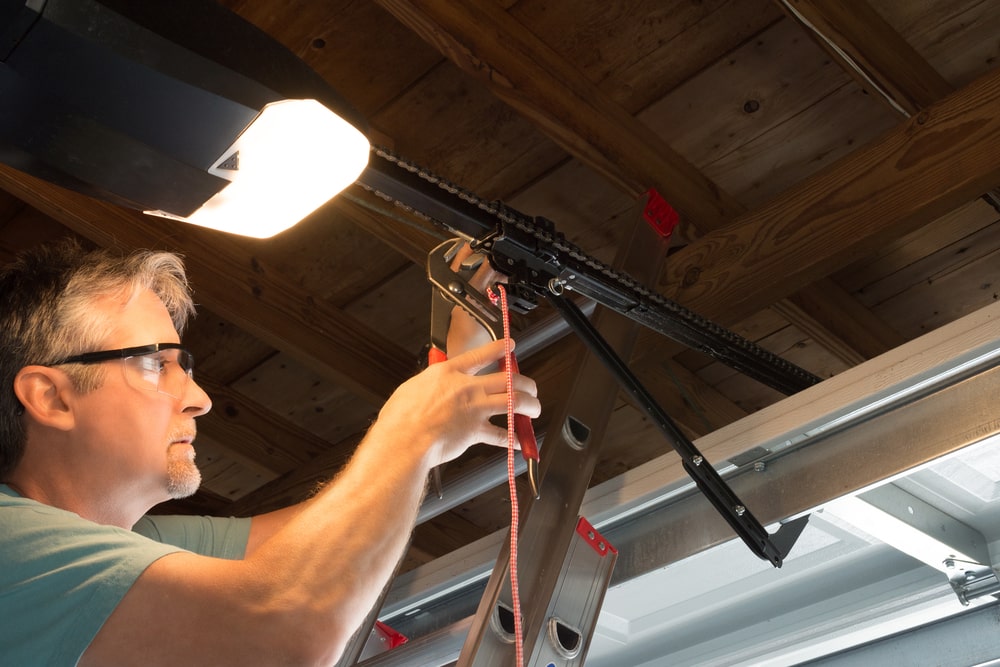
4. Check the Door Opener
Test the door opener to ensure it is functioning correctly. Listen for unusual noises, which may indicate mechanical issues. For more information, you can check this opener noise guide.
Enhancing Security After a Break-In
Upgrade to a Smart Garage Door Opener
Consider upgrading to a smart garage door opener for added security. These devices offer remote monitoring and control, allowing you to keep an eye on your garage even when you’re not home.
Install Motion Sensor Lights
Adding motion sensor lights around your garage can deter potential intruders. These lights automatically illuminate when motion is detected, alerting you and scaring off would-be intruders.
Reinforce the Door
Reinforcing the garage door with a security bar or installing a deadbolt can provide an additional layer of protection.
Regular Maintenance Tips
To ensure your garage door remains in top condition, regular maintenance is key. Here are some tips:
- Lubricate moving parts to reduce friction and wear.
- Regularly check for corrosion on metal parts.
- Inspect the bearings and rollers for wear and tear.
Seeking Professional Help
If you’re unsure about conducting a thorough inspection yourself, consider hiring a professional. A trained technician can provide a detailed assessment and recommend the best course of action to enhance your garage’s security.
For more tips on maintaining your garage door, check out this external guide.
Frequently Asked Questions
1. How often should I inspect my garage door?
It’s recommended to inspect your garage door at least twice a year or after any significant event like a break-in.
2. Can I perform the inspection myself?
Yes, you can. However, for a comprehensive check, especially after a break-in, hiring a professional is advisable.
3. What should I do if I find significant damage?
If you discover major damage, it’s best to contact a professional repair service to assess and fix the issues promptly.
Ensuring your garage door is secure after a break-in is crucial for your home’s safety. By performing regular inspections and addressing any vulnerabilities, you can protect your home and provide peace of mind for your family.
This article contains affiliate links. We may earn a commission at no extra cost to you.