For many homeowners, returning to a home after a long period of vacancy can be both exciting and daunting. Among the myriad tasks to tackle, ensuring the safety and functionality of your garage door is crucial. Conducting a thorough garage door inspection after long vacancy is essential to prevent potential issues and ensure smooth operation. This guide will walk you through the steps necessary to inspect and maintain your garage door effectively.
Why Inspect Your Garage Door?
After a lengthy absence, your garage door may have been exposed to various elements, including weather changes, dust accumulation, and even potential pests. These factors can lead to wear and tear or mechanical failures. By performing a garage door inspection after long vacancy, you can identify potential problems early and avoid costly repairs.
Initial Visual Inspection
Checking for Physical Damage
Begin by visually examining the garage door for any obvious signs of damage, such as dents, cracks, or rust. Pay close attention to the door panels and the sections where the door meets the ground.
Inspecting Weather Seals
The weather seals at the bottom and sides of the garage door are vital for insulation and protection against external elements. Ensure they are intact and replace any that are worn out or damaged.
Testing the Door’s Balance
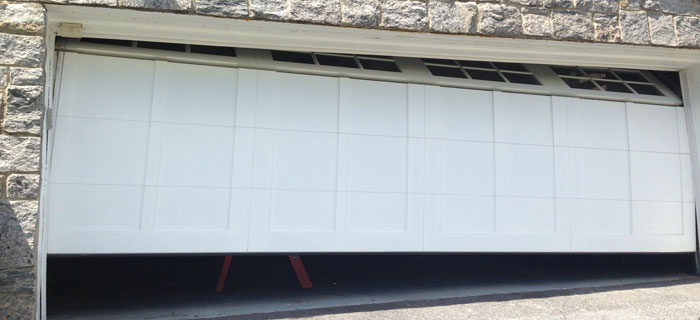
A well-balanced garage door should remain in place when opened halfway. To check this, disconnect the automatic opener and manually lift the door to the halfway point. If it moves up or down, it may be out of balance, which can strain the opener.
Examining the Springs and Cables
Types of Springs
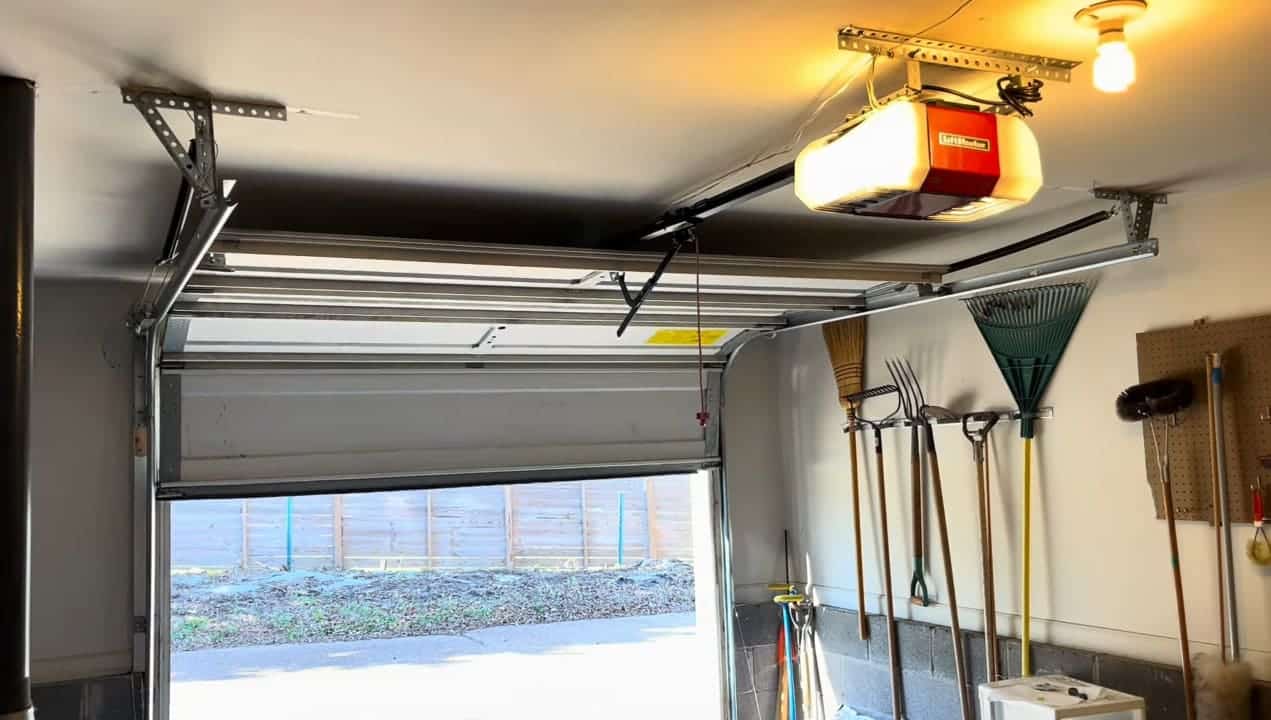
Garage doors typically use torsion or extension springs. Inspect these for any signs of wear or damage. Since springs are under high tension, it is advisable to consult a professional if you suspect any issues.
For more information on checking specific components like garage door bearings or garage door corrosion, visit our detailed guides.
Cables Inspection
Examine the cables running alongside the springs for fraying or damage. Faulty cables can lead to operational failures and should be repaired by a professional.
Lubricating Moving Parts
Proper lubrication is key to the smooth functioning of a garage door. Apply a suitable lubricant to the hinges, rollers, tracks, and springs to reduce friction and prevent noise.
Inspecting the Automatic Opener
Testing the Remote Control
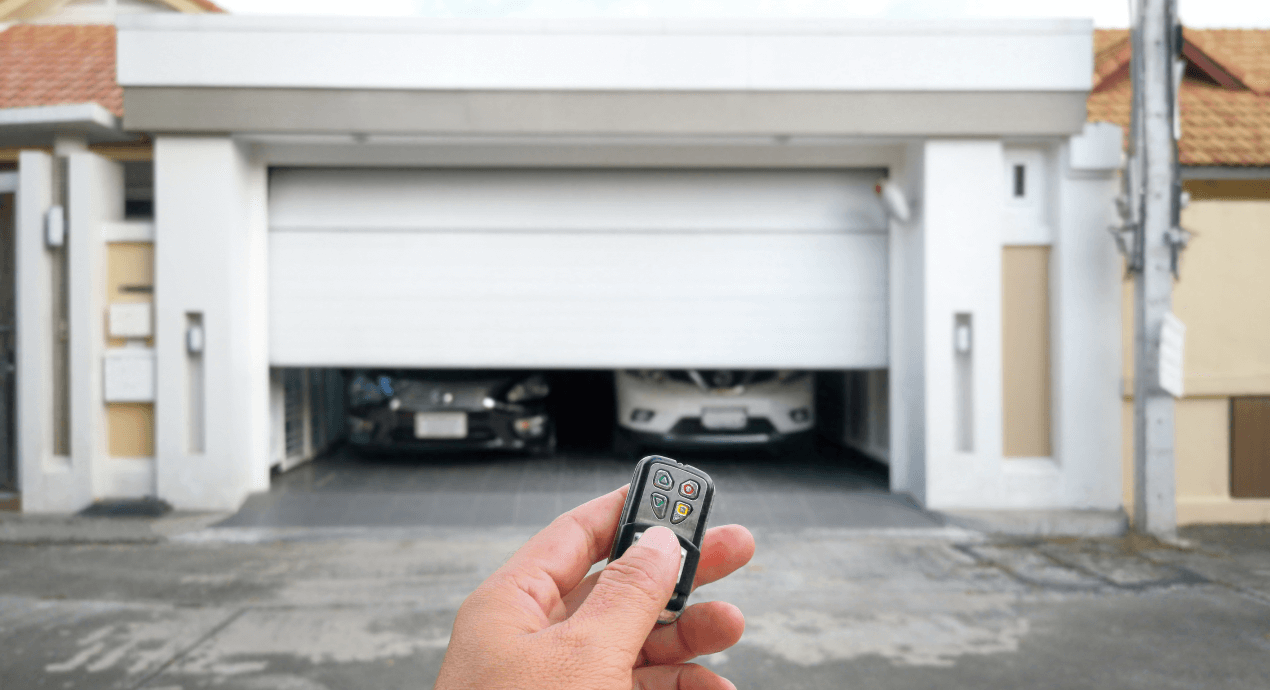
Ensure that the remote control batteries are functional and the device is working correctly. If there are any issues, consider reprogramming the remote or replacing the batteries.
Safety Features
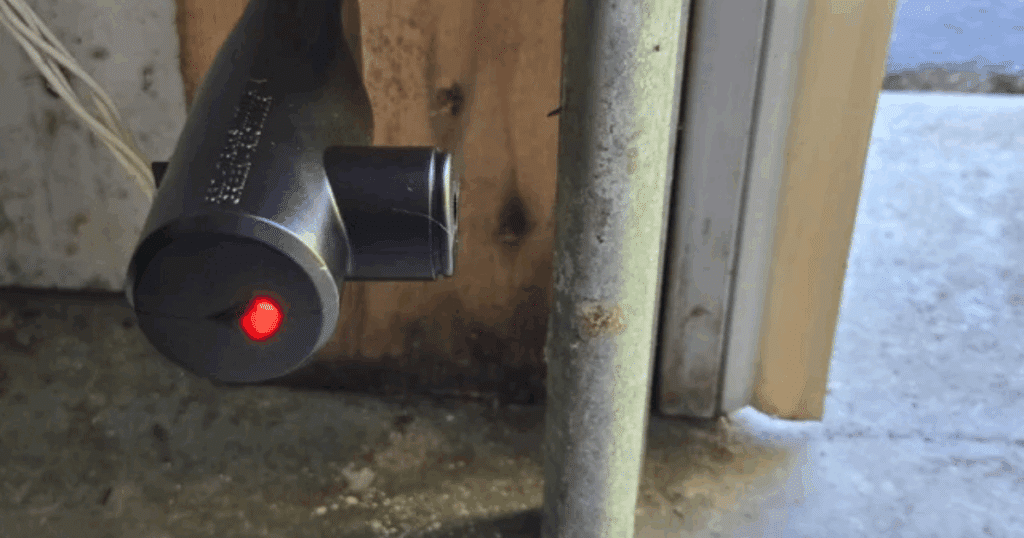
Modern garage doors come with safety features like auto-reverse and motion sensors. Test these features to ensure they are operating as intended. This step is crucial for preventing accidents.
Addressing Electrical Connections
Inspect the electrical connections of the garage door opener for any signs of damage or corrosion. Ensure the cords and plugs are in good condition and that there are no exposed wires.
Consulting Professionals
While many inspection tasks can be done by the homeowner, it is beneficial to have a professional inspection periodically. Professionals have the expertise to handle more complex issues and can ensure that all components are in optimal condition.
Consider visiting resources like this external guide for a deeper understanding of garage door maintenance.
Regular Maintenance Tips
Setting a Maintenance Schedule
Establishing a routine maintenance schedule can help prolong the lifespan of your garage door. Regular checks every six months can prevent minor issues from becoming major repairs.
Documenting Issues
Keep a record of any issues or repairs related to the garage door. This documentation can be helpful for future reference or when consulting with professionals.
FAQs
How often should I inspect my garage door?
It is recommended to inspect your garage door every six months to ensure it remains in good working condition.
Can I perform all inspections myself?
While homeowners can handle basic inspections, it is advisable to consult professionals for more complex issues, especially related to springs and electrical components.
What should I do if my garage door is noisy?
Noisy garage doors often benefit from lubrication of the moving parts. If noise persists, it may indicate a deeper issue requiring professional attention.
For further detailed insights and professional advice, explore topics like garage inspection or hot climate inspections on our website.
This article contains affiliate links. We may earn a commission at no extra cost to you.