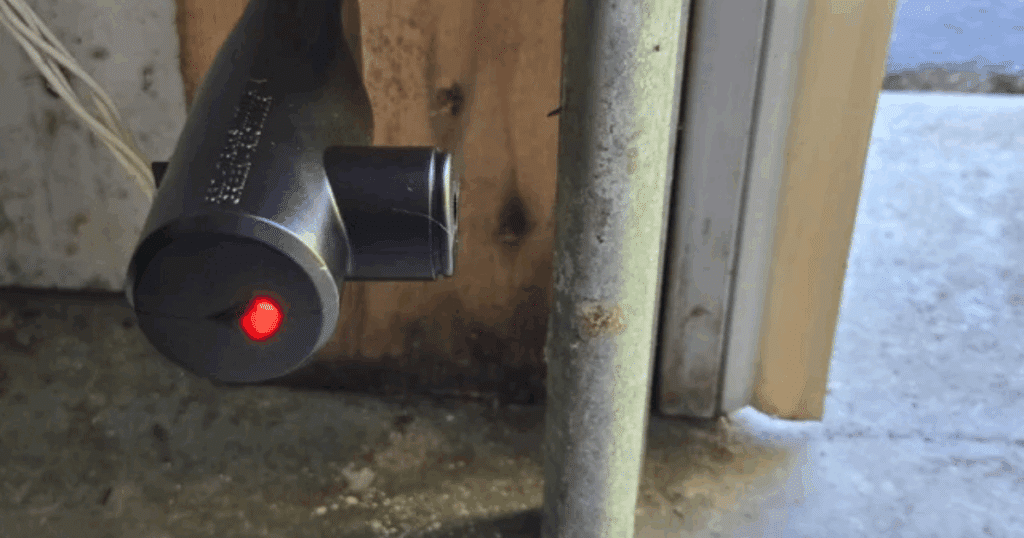
Maintaining your garage door’s safety sensors is essential for both the security and smooth operation of your home. These small devices play a crucial role in preventing accidents by detecting obstacles and stopping the door from closing on people, pets, or objects. Regular attention to their upkeep not only extends the life of your garage door system but also ensures your family’s safety.
This article provides a practical overview of how to keep your safety sensors in top working condition. You’ll learn about common issues, cleaning techniques, troubleshooting tips, and when to seek professional help. For those interested in more advanced repairs, you can also explore how to replace garage door sensor wiring for a deeper dive into sensor maintenance.
Understanding Garage Door Safety Sensors
Safety sensors are typically installed near the base of your garage door tracks, one on each side. Their main function is to create an invisible beam across the door’s threshold. If anything interrupts this beam while the door is closing, the system will automatically stop and reverse the door’s movement. This feature is required by law on all modern automatic garage doors.
The sensors usually consist of a sending unit and a receiving unit. The sender emits an infrared beam, and the receiver detects it. When the beam is broken, the door’s control board receives a signal to halt operation. This simple mechanism is highly effective, but it requires regular care to function reliably.
Why Regular Sensor Care Matters
Neglecting your safety sensors can lead to a range of issues, from minor inconveniences to serious safety hazards. Dirty or misaligned sensors may cause your garage door to refuse to close, or worse, fail to stop when something is in its path. Regular maintenance helps avoid these problems and reduces the risk of costly repairs.
- Prevents accidental injury by ensuring the door reverses when needed
- Reduces wear and tear on your garage door opener
- Improves reliability and extends the lifespan of your door system
- Helps you spot issues early before they become expensive fixes
Step-by-Step Maintenance for Garage Door Sensors
Keeping your sensors in good shape doesn’t require advanced technical skills. Most homeowners can handle basic upkeep with minimal tools. Here’s a straightforward routine to follow:
1. Inspect for Dirt and Debris
Dust, cobwebs, and even leaves can block the sensor’s beam. Use a soft, dry cloth to gently wipe the lens of each sensor. Avoid using harsh chemicals, as these can damage the plastic casing.
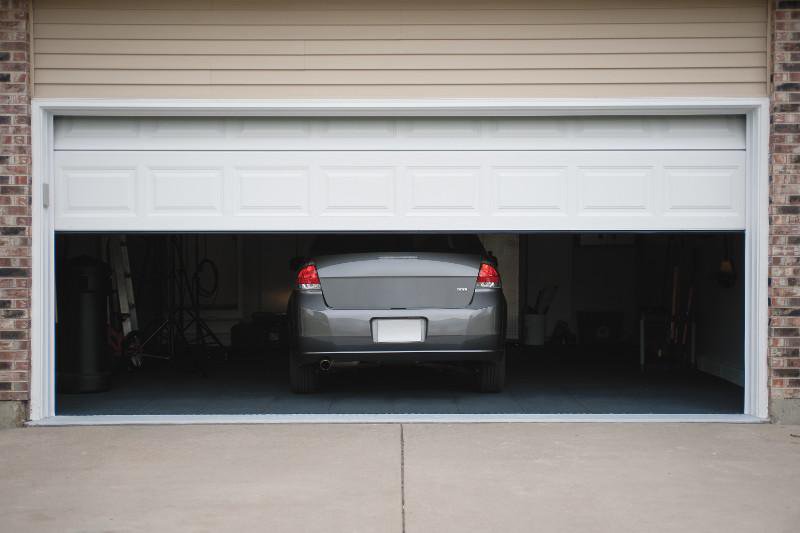
2. Check Sensor Alignment
Sensors must face each other directly to work properly. If one is bumped or loosened, the beam may not connect. Most units have indicator lights: a steady green or amber light usually means alignment is correct. If the light is blinking or off, gently adjust the sensor until the light becomes steady.
For more troubleshooting tips, you might want to read about how to fix garage door sensor flickering if you notice irregular sensor lights.
3. Examine Wiring and Connections
Over time, wires can become loose or damaged, especially in garages with a lot of activity. Inspect the wiring for any visible fraying or disconnections. If you spot any issues, turn off the power to your garage door opener before attempting repairs. For more complex wiring problems, consult a professional or refer to a detailed guide on how to rewire garage door sensors.
4. Test the Safety Reversal Feature
After cleaning and aligning your sensors, test the system by placing an object (like a roll of paper towels) in the sensor’s path. Close the garage door using the remote. The door should automatically reverse when it detects the object. If it doesn’t, double-check your work or call a technician.
Common Sensor Problems and Solutions
Even with regular care, you may encounter issues that require extra attention. Here are some of the most frequent problems and how to address them:
- Sensor lights are off: Check for power supply issues or loose wiring.
- Sensor lights are blinking: This usually indicates misalignment or an obstruction.
- Garage door won’t close: Ensure nothing is blocking the sensors and that they are clean and properly aligned.
- Intermittent operation: Inspect for moisture, condensation, or vibration that may affect the sensors.
If you’re unsure about the meaning of your sensor’s indicator lights, you can find a helpful explanation in this guide to garage door sensor light colors and fixes.

When to Call a Professional
While most sensor upkeep can be handled by homeowners, there are times when it’s best to consult an expert. If you notice persistent issues after cleaning and aligning your sensors, or if you suspect electrical problems, professional service is recommended. Additionally, if your garage door only closes when you hold the wall button, you may want to read about why your garage door only closes when holding the button for further troubleshooting.
Technicians have the tools and experience to diagnose complex problems, replace faulty sensors, and ensure your system meets all safety standards.
Proactive Tips for Long-Term Sensor Reliability
- Schedule seasonal checks: Inspect and clean your sensors at least twice a year, or more often if your garage is dusty or exposed to the elements.
- Keep the area clear: Avoid storing items near the base of your garage door that could block the sensors.
- Protect from impact: Teach children and guests to avoid bumping or touching the sensors.
- Monitor for water damage: Ensure your garage is well-sealed to prevent moisture from affecting the sensors and wiring.
By following these simple steps, you can help ensure your garage door’s safety system remains dependable for years to come.
Frequently Asked Questions
How often should I clean my garage door safety sensors?
It’s best to clean the sensors every few months, or more frequently if you notice dust, cobwebs, or debris accumulating. Regular cleaning helps maintain clear sensor beams and reliable operation.
What do blinking sensor lights mean?
Blinking lights usually indicate that the sensors are misaligned or that something is blocking the infrared beam. Check for obstructions and gently adjust the sensors until the lights become steady.
Can I replace garage door sensors myself?
Many homeowners can replace sensors with basic tools, but if you’re not comfortable with electrical work or if the wiring is damaged, it’s safer to call a professional. For step-by-step instructions, you can refer to resources on how to replace garage door sensor wiring.
What should I do if my garage door won’t close?
First, check that nothing is blocking the sensors and that they are clean and aligned. If the problem persists, inspect the wiring and test the safety reversal feature. If you still have trouble, consult a technician.