Garage door keypads are a convenient way to access your garage without needing a remote or physical key. However, many homeowners notice that over time, their keypads start malfunctioning, fading, or even failing completely. One of the most common causes of these issues is prolonged exposure to sunlight. Understanding how sun exposure affects garage door keypads can help you prevent problems, extend the lifespan of your device, and avoid unnecessary repairs or replacements.
In this article, we’ll break down the effects of sunlight on garage door keypads, the signs of damage to watch for, and practical steps you can take to protect your keypad from the elements. If you’re also dealing with sensor issues, you might find this guide on how to fix garage door sensor mounting on metal studs helpful.
How Sunlight Affects Garage Door Keypads
Direct sunlight can have a significant impact on the performance and longevity of your garage door keypad. Most keypads are designed to be weather-resistant, but constant exposure to UV rays, heat, and fluctuating temperatures can still cause problems. The most common issues related to garage door keypad sun exposure damage include:
- Fading and Discoloration: UV rays break down the plastic and paint, leading to a faded or yellowed appearance.
- Cracked or Brittle Plastic: Prolonged heat and sun exposure can make the keypad housing brittle, causing cracks or breaks.
- Button Malfunction: The rubber or plastic buttons may become sticky, hard, or unresponsive due to heat and UV damage.
- Internal Component Failure: Excessive heat can affect the internal circuitry, leading to erratic behavior or complete failure.
These issues not only affect the appearance of your keypad but can also compromise its functionality, making it difficult or impossible to open your garage door reliably.
Common Signs of Sun-Related Keypad Damage
Recognizing the early signs of sun exposure damage can help you address problems before they become severe. Here are some symptoms to look out for:
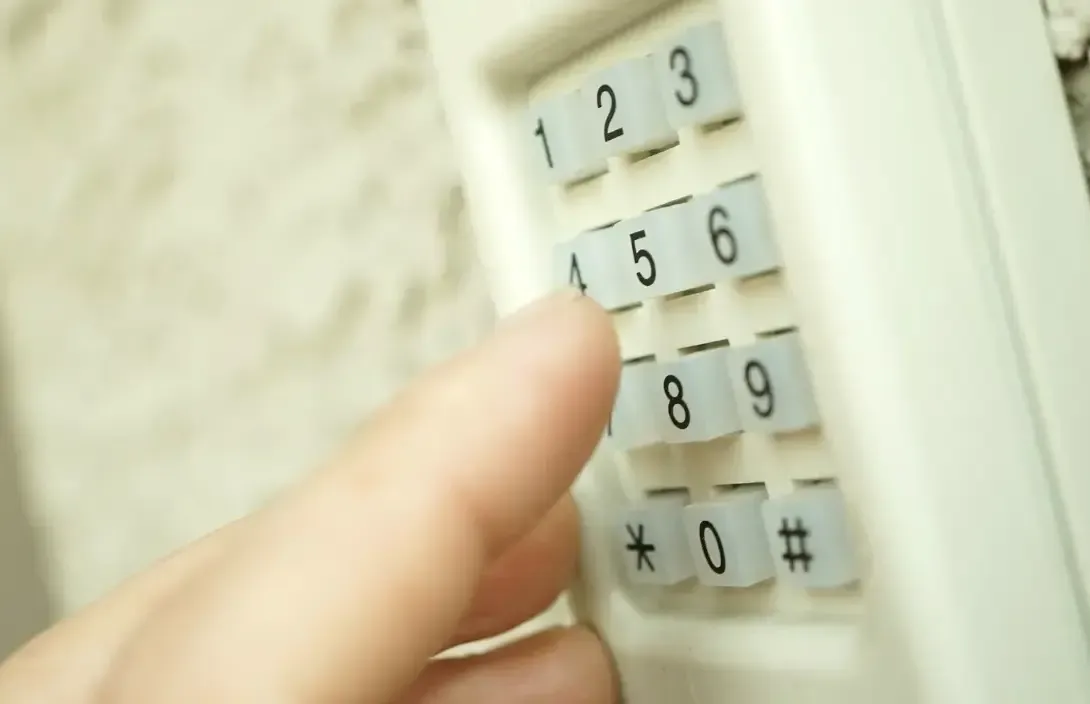
- Faded Numbers: The printed numbers or symbols on the keypad may become hard to read.
- Sticky or Non-Responsive Buttons: Buttons that feel different to the touch or require extra pressure to activate.
- Cracks in the Housing: Visible cracks or splits in the plastic casing, especially near the edges or mounting points.
- Intermittent Operation: The keypad works sporadically, or only certain buttons respond.
- Complete Failure: The keypad stops working altogether, even after replacing the batteries.
If you notice any of these issues, it’s likely that sun exposure is at least partly to blame. Addressing the problem early can save you from a full replacement.
Preventing Garage Door Keypad Sun Exposure Damage
There are several practical steps you can take to protect your keypad from the harmful effects of sunlight:
- Install in a Shaded Area: If possible, mount the keypad on a part of the garage that receives less direct sunlight. North- or east-facing walls are usually better protected from harsh afternoon sun.
- Add a Protective Cover: Some keypads come with built-in covers, but you can also purchase aftermarket covers or small awnings to shield the device from direct rays.
- Use UV-Resistant Materials: When replacing or upgrading your keypad, look for models made from UV-stabilized plastics or with weather-resistant coatings.
- Regular Maintenance: Clean the keypad regularly and inspect for early signs of wear. Promptly address any cracks or fading.
- Replace Batteries Frequently: Heat can drain batteries faster, so check and replace them more often during hot months.
By taking these steps, you can significantly reduce the risk of sun-related keypad problems and ensure reliable access to your garage.
Repairing and Replacing Sun-Damaged Keypads
If your keypad has already suffered from sun exposure, you may be able to repair minor issues. For example, faded numbers can sometimes be restored with weatherproof stickers, and sticky buttons can be cleaned with isopropyl alcohol. However, if the housing is cracked or the internal electronics are failing, replacement is usually the best option.
When shopping for a new keypad, consider models that advertise UV resistance or enhanced weatherproofing. For more information on choosing the right device, you can check out this comprehensive guide to garage door keypads.
Other Environmental Factors Affecting Garage Keypads
While sunlight is a primary culprit, other environmental factors can also contribute to keypad malfunctions:
- Moisture: Rain, snow, and humidity can seep into the keypad and cause corrosion or short circuits.
- Temperature Extremes: Both high heat and freezing temperatures can impact battery life and electronic components.
- Dirt and Debris: Dust and grime can accumulate inside the buttons, making them harder to press or causing them to stick.
Regular cleaning and inspection can help mitigate these risks. For troubleshooting other common garage door issues, such as sensor malfunctions, you may want to read about why your garage door sensor transmitter might be dead.
Frequently Asked Questions
How can I tell if my garage door keypad is damaged by the sun?
Look for signs such as faded or illegible numbers, cracked or brittle plastic, sticky or unresponsive buttons, and inconsistent operation. If the keypad stops working even after replacing the batteries, sun exposure may be the cause.
Can I repair a sun-damaged garage keypad, or should I replace it?
Minor cosmetic issues like faded numbers can sometimes be fixed with stickers or covers. However, if the keypad housing is cracked or the electronics are failing, replacement is usually more reliable and cost-effective.
What is the best way to prevent sun exposure damage to my keypad?
Install the keypad in a shaded location, use a protective cover or awning, and choose models with UV-resistant materials. Regular maintenance and cleaning also help extend the device’s lifespan.
Conclusion
Sunlight can significantly impact the durability and performance of your garage door keypad. By understanding the risks and taking preventive measures, you can avoid many common problems associated with garage door keypad sun exposure damage. If you notice early signs of wear, act quickly to repair or replace the device. For additional troubleshooting tips on related garage door issues, explore resources like how to fix garage door sensor wiring using electrical tape or why is my garage door sensor light blinking twice. Taking a proactive approach will help keep your garage secure and your keypad functioning smoothly for years to come.