Moving into a new home is an exciting adventure. Amidst the thrill of fresh starts and new beginnings, one task that can often be overlooked is the garage door inspection before moving in. This crucial step ensures that your new home’s garage door is safe, functional, and secure. As a new homeowner, understanding the importance of this inspection can save you time, money, and potential headaches in the future.
Why is Garage Door Inspection Important?
A garage door inspection is vital for several reasons. Primarily, it ensures the safety of your family and your property. A malfunctioning garage door can pose significant safety risks, such as accidents or property damage. Additionally, a thorough inspection can help identify any underlying issues that may require repairs or replacements, thus preventing costly fixes down the line.
Components to Inspect
When conducting a garage door inspection, several key components need careful examination:
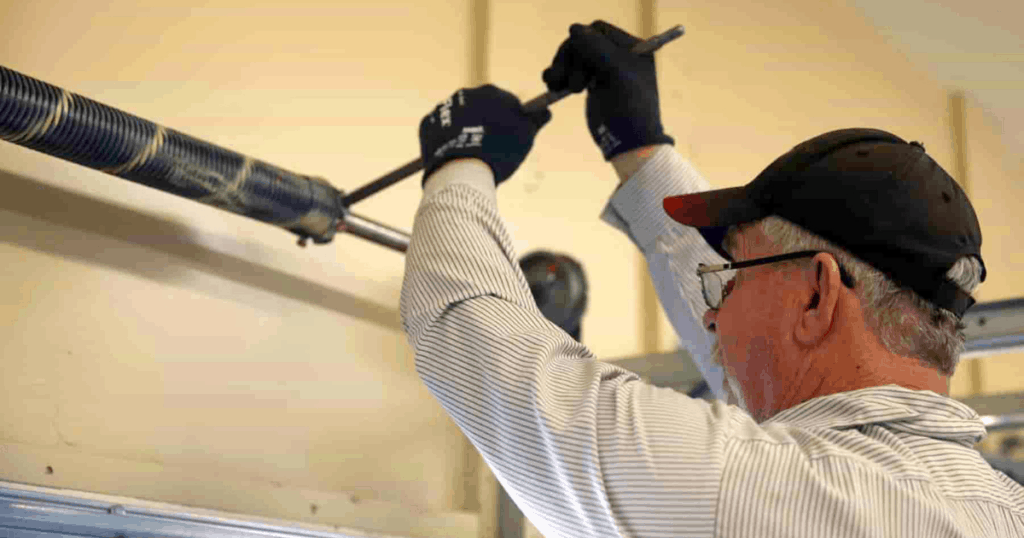
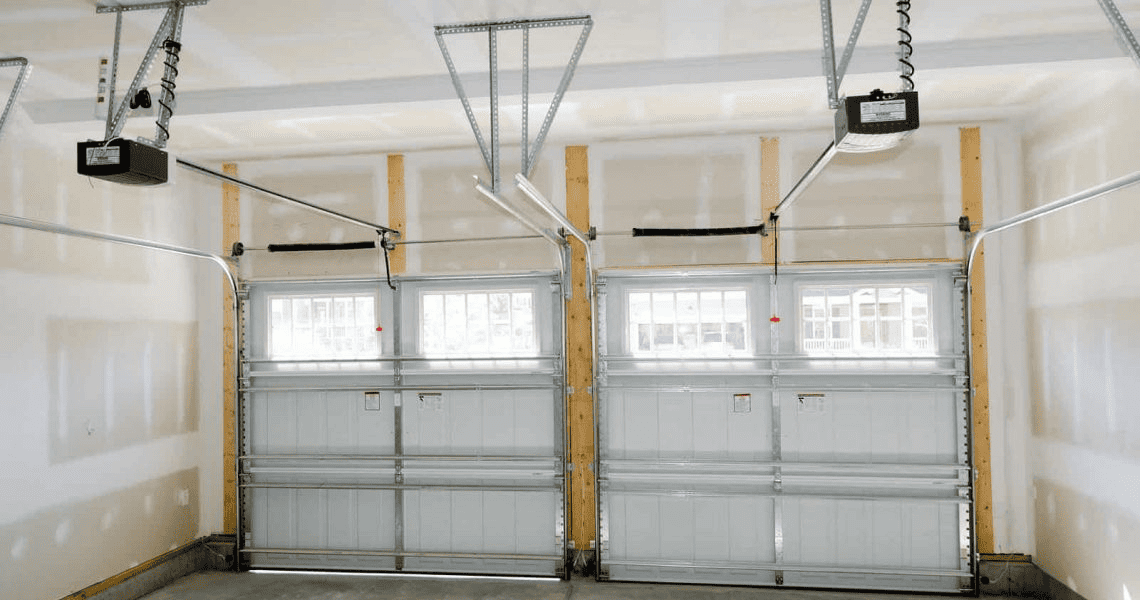
- Springs: Check for wear and tear, rust, or any signs of damage.
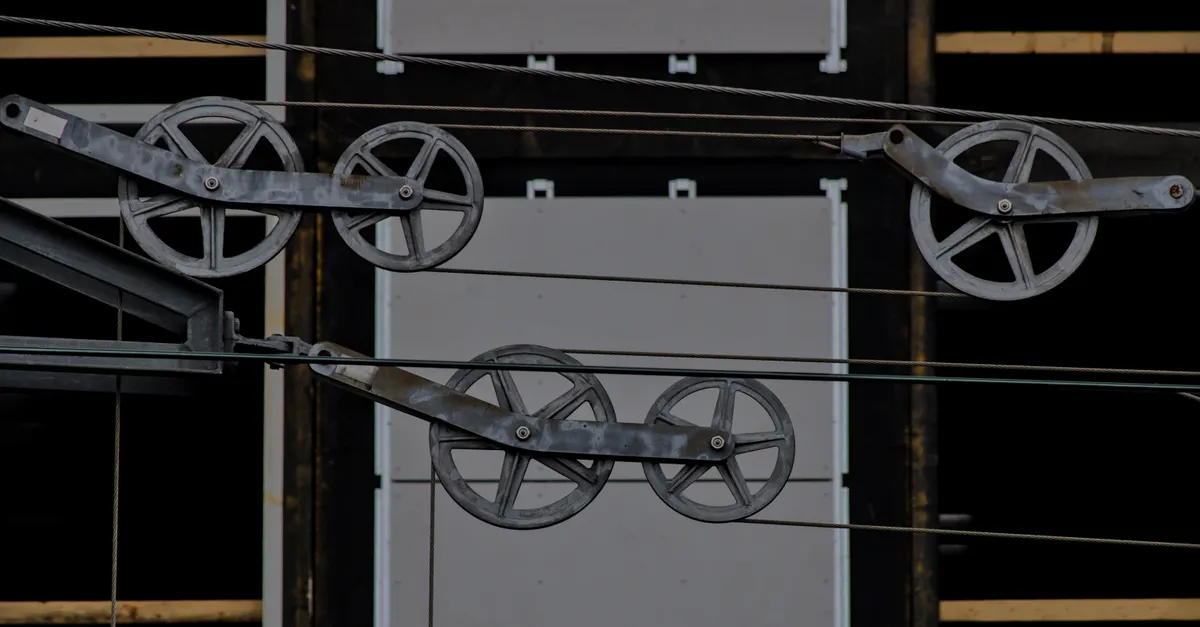
- Cables: Ensure they are intact without any fraying or corrosion.
- Rollers and Tracks: Inspect for smooth operation and any obstructions or misalignments.
- Weather Stripping: Examine for cracks or gaps that could affect insulation.
- Garage Door Opener: Test for functionality and listen for unusual noises.
Steps for a Thorough Inspection
Conducting a comprehensive garage door inspection involves a series of steps:
1. Visual Inspection
Start with a visual inspection of all the components. Look for visible signs of damage such as rust, cracks, or wear. Pay special attention to the springs and cables as they bear the door’s weight.
2. Listen for Unusual Sounds
Operate the garage door and listen for any unusual noises. Squeaks, grinding, or banging sounds can indicate potential problems with the opener or the alignment of the tracks.
3. Test the Balance
Disconnect the garage door opener and manually lift the door halfway. If it stays in place, the door is well-balanced. If not, it may require professional adjustment.
4. Check the Auto-Reverse Feature
Ensure the auto-reverse feature is functioning correctly by placing an object in the door’s path. The door should automatically reverse upon contact.
Common Issues Found During Inspections
Some common issues that may arise during a garage door inspection include:
- Worn-Out Springs: Over time, springs can lose tension, affecting the door’s balance.
- Frayed Cables: Cables can become worn or frayed, posing a serious safety hazard.
- Misaligned Tracks: Tracks can become misaligned due to wear or impact, leading to erratic door movement.
When to Call a Professional
While some homeowners may feel confident performing their own garage door inspection, certain situations warrant professional help. If you notice significant wear, damage, or are unsure about any component’s condition, it’s best to call a professional technician. They have the expertise and tools to conduct a thorough inspection and perform necessary repairs.
Preparing for Your Move
As you prepare to move into your new home, scheduling a professional garage door inspection can provide peace of mind. Not only does it ensure safety, but it also confirms that your garage door is in excellent working condition, ready to serve your family’s needs.
Conclusion
In conclusion, conducting a garage door inspection before moving in is a critical step for new homeowners. It ensures safety, functionality, and security, providing a seamless transition into your new home. For more detailed guidance on garage door inspections, you can visit Clopay Door Blog or explore resources like Garage Door Corrosion Check.
FAQs
1. How often should I inspect my garage door?
Ideally, you should conduct a garage door inspection at least twice a year to ensure all components are in good working order.
2. What are the signs that my garage door needs repairs?
Signs include unusual noises, slow movement, sagging, or difficulty in opening and closing.
3. Can I inspect my garage door myself?
While basic inspections can be done by homeowners, it’s advisable to hire a professional for comprehensive checks and repairs.
This article contains affiliate links. We may earn a commission at no extra cost to you.