In today’s fast-paced world, ensuring the security and efficiency of your home is crucial. For homeowners, a properly functioning garage door is essential, serving as both a security feature and a convenient entryway. Regular garage door inspection for automatic doors plays a pivotal role in maintaining its operation and prolonging its lifespan. In this guide, we’ll delve into the dynamics of these inspections, focusing on what you need to know as a homeowner.
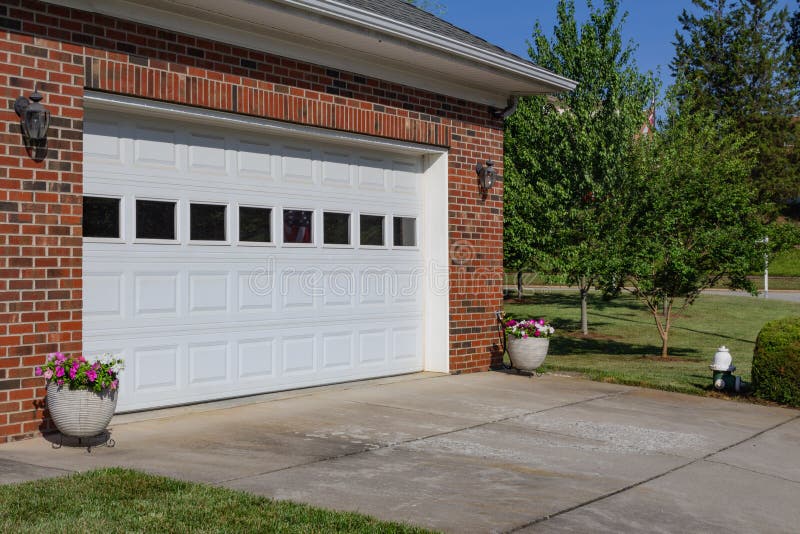
Understanding the Importance of Garage Door Inspection
Garage doors are not just about convenience; they are about safety and security. An unexpected malfunction could lead to accidents or security breaches. Regular inspections help in identifying potential issues before they become major problems, ensuring your peace of mind.
Components of an Automatic Garage Door
Understanding the key components of your automatic garage door is fundamental. The main parts include the door itself, the motor, the springs, and the sensors. Knowledge of these components aids in effective inspection and maintenance.
The Door
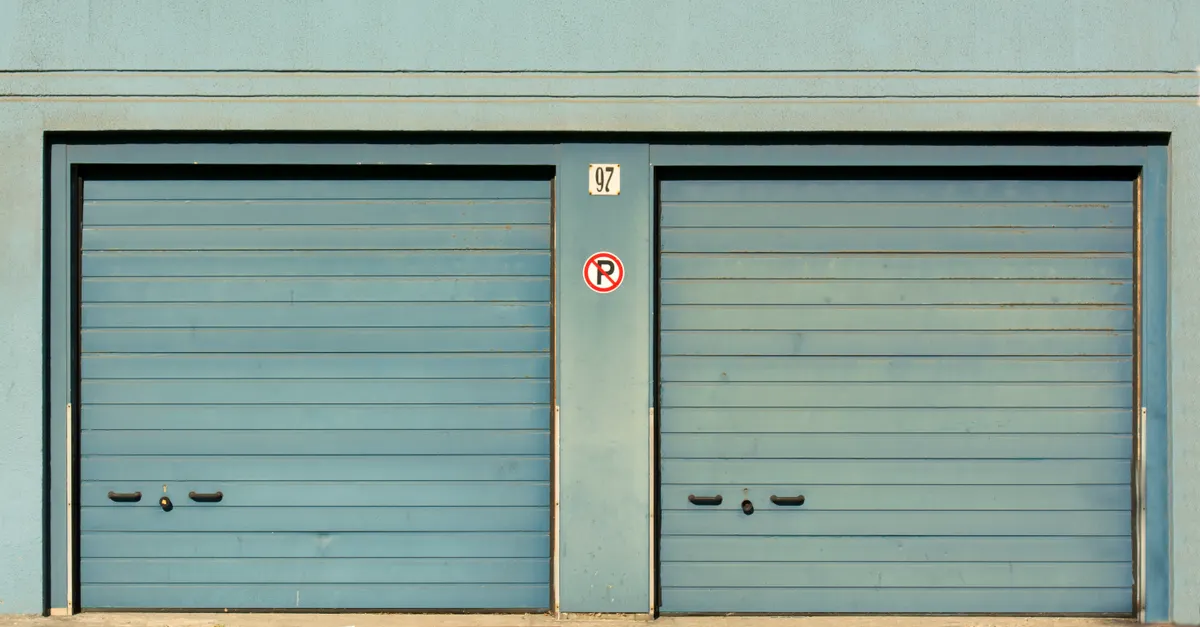
The door is the most visible part. It can be made from various materials like steel, wood, or aluminum, each requiring specific care and attention. Regular checks for dents and corrosion are necessary to maintain its appearance and function.
The Motor
The motor is the heart of your automatic garage door. It is responsible for the door’s movement. Regular inspection ensures it operates smoothly and quietly.
The Springs
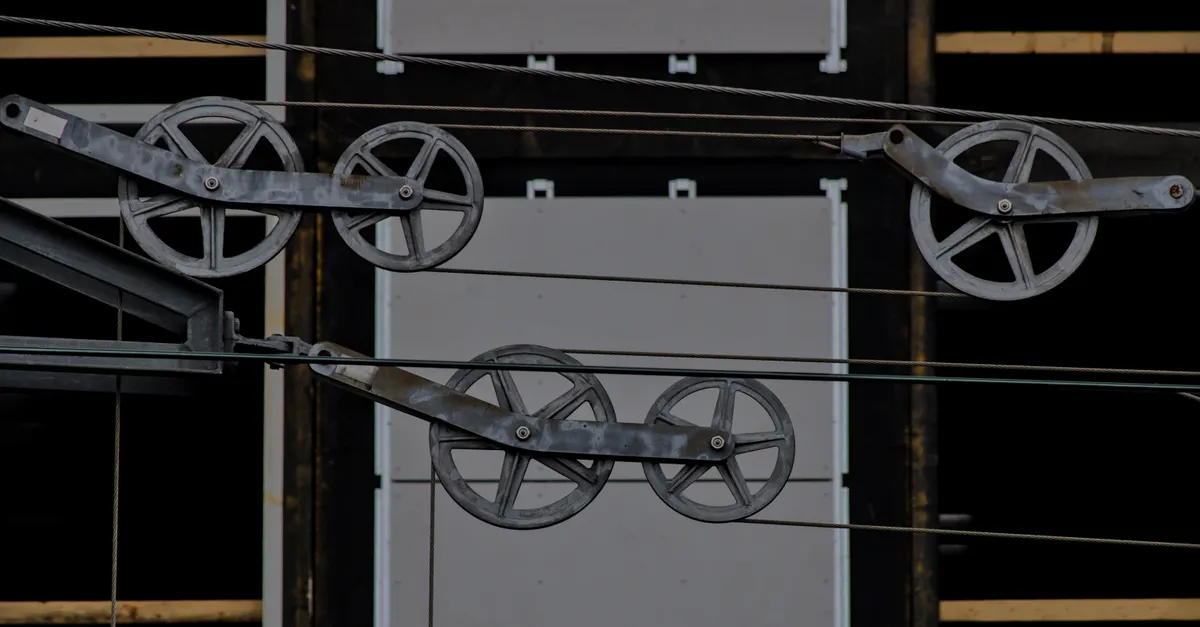
Springs bear the door’s weight, making them a critical component. Inspecting for wear and tear can prevent unexpected breaks that can be dangerous and costly.
The Sensors
Sensors are vital for safety, preventing the door from closing on objects or people. Ensuring they are clean and properly aligned is essential for safe operation.
Steps in a Comprehensive Garage Door Inspection
Conducting a thorough garage door inspection involves several steps. Heres a detailed look at what you need to do:
Visual Inspection
Start with a visual inspection. Look for any visible damage to the door panels, tracks, and springs. Check for rust, cracks, or any signs of wear.
Operational Test
Operate the door a few times. Listen for unusual noises and observe its movement. The door should open and close smoothly without jerking.
Sensor Check
Test the sensors by placing an object in the doors path. The door should reverse immediately upon detection. This test ensures the sensors are functioning correctly.
Spring Tension Test
Check the spring tension by manually opening the door halfway. It should remain in place if the springs are in good condition.
Lubrication
Lubrication is key in maintaining the doors components. Apply a suitable lubricant to the tracks, rollers, and hinges to ensure smooth operation.
Benefits of Regular Garage Door Inspections
Regular inspections come with numerous benefits. They help in early detection of issues, reducing repair costs and extending the life of your garage door. Moreover, they ensure the safety and security of your household.
When to Call a Professional?
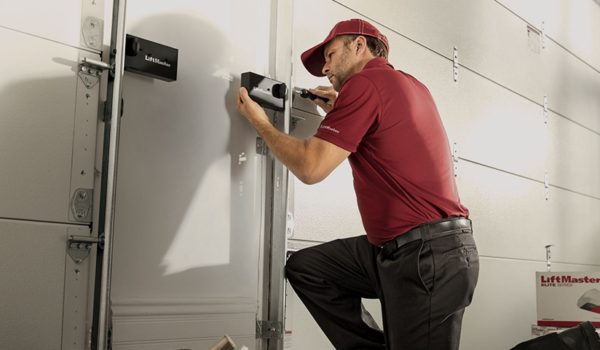
While some inspections can be done by homeowners, certain tasks require professional expertise. If you notice significant issues like broken springs or motor problems, its best to call a professional. They have the tools and knowledge to handle complex problems safely.
For more detailed steps on checking specific components, you can visit bearings check guide on our website.
Future Trends in Garage Door Technology
As technology advances, so do garage doors. Innovations such as smart garage door openers and enhanced security features are becoming more common. Staying updated with these trends can help you make informed decisions about upgrades.
DIY vs. Professional Inspection: Whats Best?
Deciding between DIY and professional inspections depends on your comfort level and the complexity of the issue. Regular DIY checks can be cost-effective, but professional inspections are thorough and can detect hidden problems.
Common Mistakes in Garage Door Maintenance
Avoid common mistakes like neglecting minor issues or using incorrect lubricants. These can lead to bigger problems down the line, affecting the doors performance.
Cost of Garage Door Inspections
Understanding the cost helps in budgeting for maintenance. While DIY inspections are free, professional services can vary depending on the complexity and location. Its an investment in your homes safety and functionality.
For a detailed guide on the costs involved, check our article on new homes inspection.
Environmental Impact of Garage Doors
Choosing the right materials and maintaining your garage door can have environmental benefits. Opt for energy-efficient doors that reduce your homes carbon footprint.
Safety Tips for Homeowners
Ensure your garage door is a safe environment by keeping the remote out of childrens reach and regularly checking the sensors. Safety should always be a priority.
Conclusion
Regular garage door inspection for automatic doors is essential for every homeowner. It ensures safety, security, and longevity of your garage door. While some tasks can be handled personally, professional inspections provide a comprehensive check-up, ensuring peace of mind.
For further insights into how to maintain your garage door in specific climates, visit our climate-specific guide.
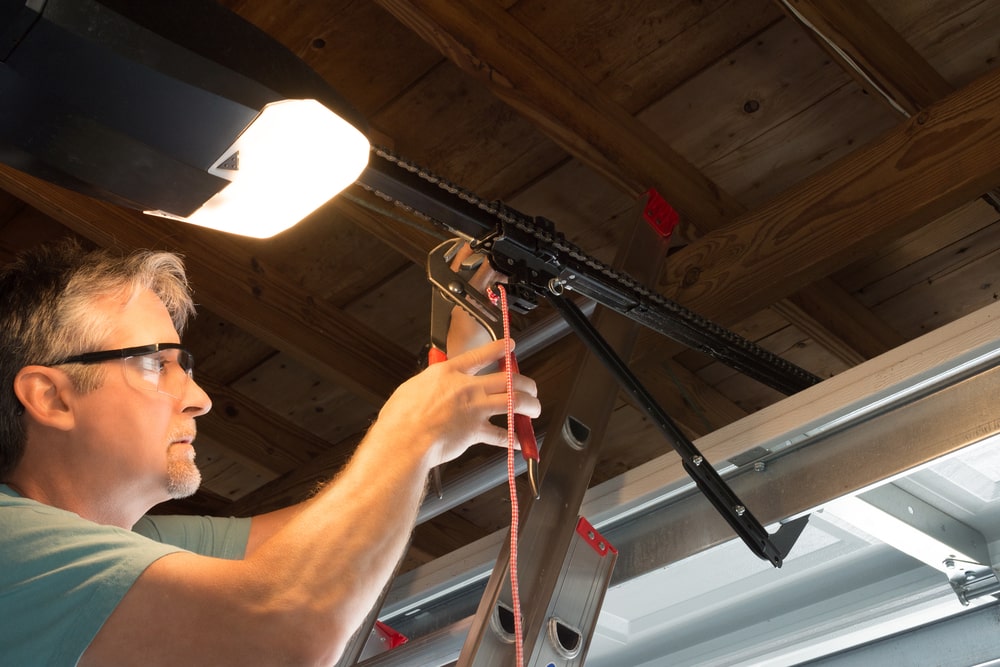
FAQs
1. How often should I inspect my automatic garage door?
It’s recommended to inspect your garage door at least twice a year. Regular checks help in early detection of potential issues.
2. Can I perform garage door inspections myself?
Yes, basic inspections can be done by homeowners. However, for detailed checks, especially for complex issues, its advisable to hire a professional.
3. What should I do if my garage door makes unusual noises?
Unusual noises often indicate a problem. Check if the door is properly lubricated and inspect for any visible issues. If the noise persists, consider professional help.
For more professional insights, visit this external guide on professional inspections.
This article contains affiliate links. We may earn a commission at no extra cost to you.