Ensuring that your garage door is free from leaks and drafts is crucial for maintaining the energy efficiency and comfort of your home. A proper garage door inspection for leaks and drafts can help you identify potential problems before they become significant issues. This article will delve into the importance of regular inspections, the steps involved, and tips for addressing any problems you may discover.
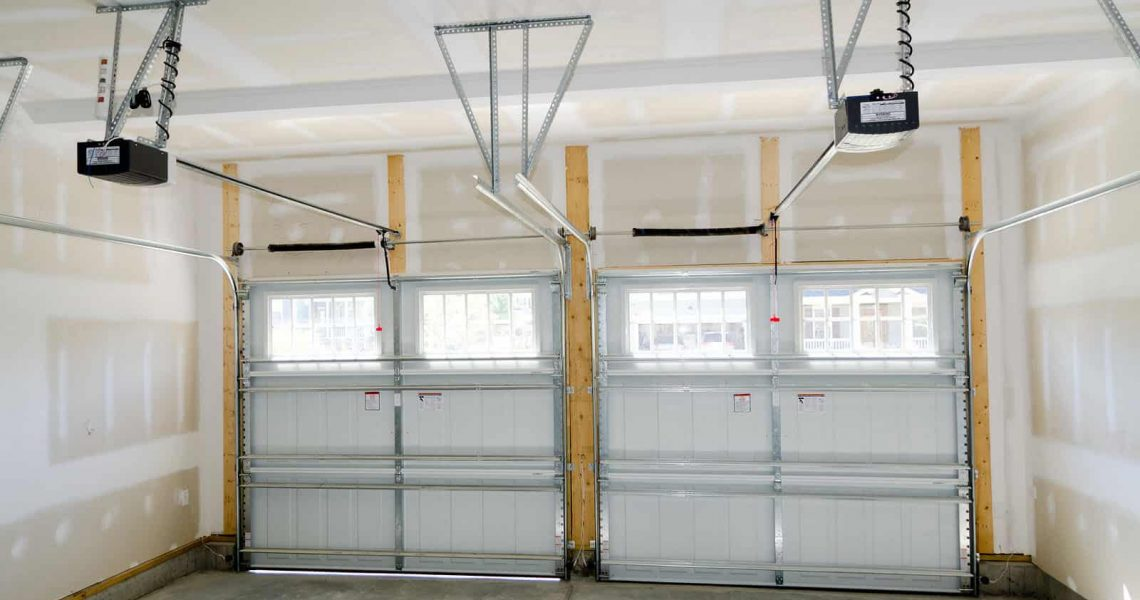
Why You Should Inspect Your Garage Door
A thorough garage door inspection helps in maintaining the structural integrity of your garage. It prevents unwanted air and moisture from entering your space, which can lead to increased energy bills and potential damage to stored items. By conducting regular inspections, you ensure that your garage door functions optimally and efficiently.
Signs of Leaks and Drafts
Recognizing the signs of leaks and drafts is the first step in addressing them. Common indicators include:
- Noticeable temperature changes inside the garage.
- Moisture or water stains near the door.
- Visible gaps or cracks around the door frame.
The Tools You Need
Before starting your garage door inspection, gather the necessary tools: a flashlight, a thermometer, a moisture meter, sealant, and weatherstripping. These tools will help you identify and fix any issues you find during your inspection.
Step-by-Step Guide to Inspecting Your Garage Door
Step 1: Visual Inspection
Begin by visually inspecting your garage door for any obvious signs of wear and tear. Look for cracks, gaps, or damages that may cause leaks or drafts.
Step 2: Check for Airflow
Use a thermometer or a draft detector to check for airflow around the edges of the door. This helps in identifying areas where cold air or moisture may be entering.
Step 3: Moisture Detection
Use a moisture meter to detect any areas where water may be seeping in. Moisture can cause significant damage over time, so its important to address these issues promptly.
Step 4: Inspect Weatherstripping
Check the weatherstripping along the bottom and sides of the door. If its worn or damaged, replace it to prevent leaks and drafts.
Step 5: Test the Door’s Balance
A well-balanced door operates smoothly and reduces the risk of drafts. Perform a balance test by disconnecting the opener and manually opening the door halfway. If it stays in place, its balanced. If not, adjustments are needed.
How to Fix Leaks and Drafts
Seal Cracks and Gaps
Use a high-quality sealant to fill any cracks or gaps around the door frame. This prevents air and moisture from entering your garage.
Replace Weatherstripping
Install new weatherstripping along the bottom and sides of the door to create a tight seal. This is an effective way to prevent drafts.
Consider Door Insulation
For added protection, consider installing an insulated garage door. Insulation provides an extra layer of defense against leaks and drafts.
When to Call a Professional
If you encounter significant issues during your inspection, it may be time to call a professional. A qualified technician can perform a comprehensive inspection and make necessary repairs. For more information on what professionals look for, check out this inspection guide.
Additional Tips for Maintaining Your Garage Door
Regular Cleaning and Lubrication
Keep your garage door clean and well-lubricated to ensure smooth operation. This also helps in prolonging the life of your door.
Seasonal Checks
Conduct seasonal checks to ensure your door is prepared for extreme weather conditions. This can prevent potential damage from storms or harsh temperatures.
FAQs
How often should I inspect my garage door for leaks and drafts?
Its recommended to perform a garage door inspection every six months or before the change of seasons.
What are common causes of garage door leaks?
Common causes include worn weatherstripping, gaps in the door frame, and improper door alignment.
Can I fix garage door leaks and drafts myself?
Yes, minor issues can be fixed with basic tools and supplies. However, significant problems should be handled by a professional.
For more detailed guidance on inspecting your garage door, you can refer to this external resource.
This article contains affiliate links. We may earn a commission at no extra cost to you.