For homeowners, ensuring that your garage door operates smoothly is essential for safety and convenience. A garage door inspection for manual doors is a vital practice that helps in maintaining the longevity and functionality of your garage door system. Regular inspections can prevent potential accidents and costly repairs, making it a critical task for every homeowner.
Manual garage doors, unlike their automated counterparts, rely heavily on their mechanical components. This means that regular inspections are particularly important to spot any signs of wear and tear or mechanical failure. In this article, we will explore the key aspects of a comprehensive garage door inspection and provide you with practical advice to maintain your manual garage doors effectively.
Why is Regular Inspection Important?
Regular inspection is crucial because it ensures that your garage door remains safe and efficient. By routinely checking the various components, you can identify issues before they become serious problems. This proactive approach not only saves money but also ensures the safety of everyone using the garage.
Identifying Safety Hazards
One of the primary reasons for conducting a garage door inspection is to identify any safety hazards. This includes checking for signs of wear and tear on the door itself, as well as the springs, cables, and other mechanical components. A thorough inspection can reveal potential issues such as frayed cables or misaligned tracks, which can be addressed before they lead to accidents.
Maintaining Functionality
Regular inspections help in maintaining the functionality of your garage door. Over time, dirt and debris can accumulate in the tracks, causing the door to operate less smoothly. By inspecting the door regularly, you can ensure that it opens and closes smoothly, without any jerky movements or unusual noises.
Key Components to Inspect
Visual Inspection
Start with a visual inspection of the entire door system. Look for any visible signs of damage, such as dents, rust, or cracks in the door panels. Examine the hinges, rollers, and other moving parts for signs of wear.
Check the Tracks
The tracks are essential for the smooth operation of your manual garage door. Ensure they are clean and free of debris. Check for any bends or misalignments, which can cause the door to operate inefficiently. For more guidance on checking tracks, visit corrosion check.
Inspect the Springs
Springs are under high tension and can be hazardous if not functioning correctly. Inspect the springs for any signs of wear or damage. If you notice any issues, it is advisable to contact a professional for repair or replacement. This detailed external checklist offers more tips on maintaining springs.
Examine the Cables
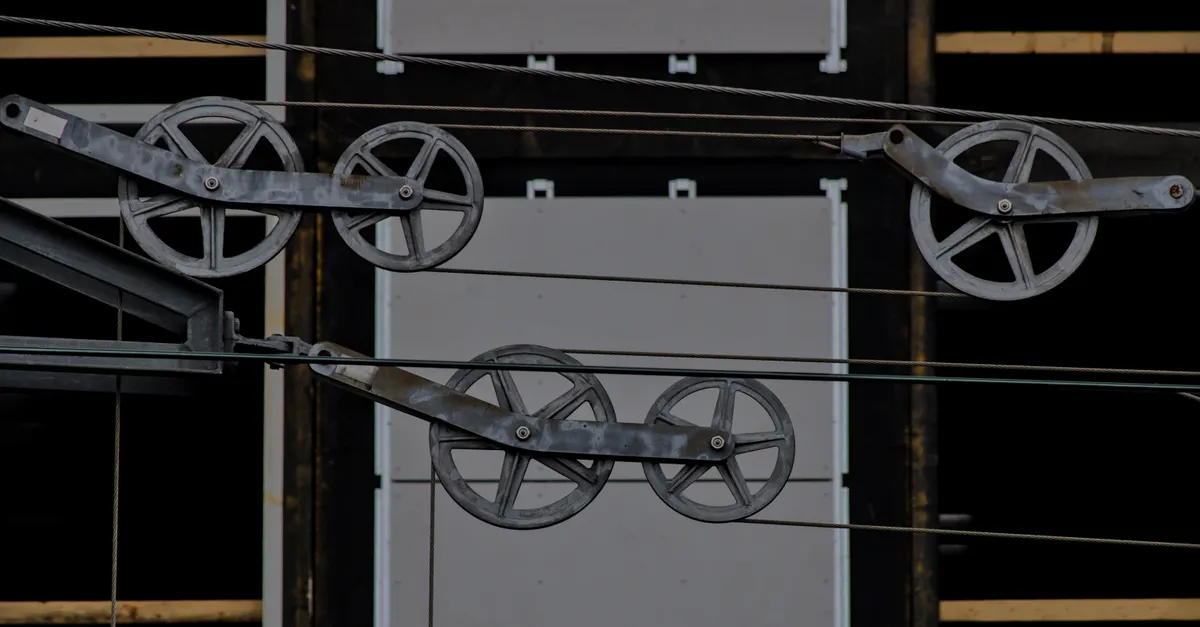
Cables are another critical component of your manual garage door system. Check for fraying or any signs of wear. If the cables appear damaged, it is crucial to have them replaced to prevent accidents.
Lubrication: A Key Maintenance Task
Lubrication is vital for ensuring that all moving parts of your garage door function smoothly. Use a high-quality lubricant on the rollers, hinges, and springs to reduce friction and prevent wear.
Choosing the Right Lubricant
When selecting a lubricant, choose one specifically designed for garage doors. Avoid using grease or oil, as these can attract dirt and debris, leading to increased friction and wear.
Lubrication Frequency
Regular lubrication is essential for maintaining the door’s functionality. It is recommended to lubricate the moving parts at least twice a year, or more frequently if the door is used frequently.
Addressing Common Issues
Noisy Operation
If your garage door begins to make unusual noises during operation, it may be a sign of underlying issues. Check the rollers, hinges, and tracks for signs of wear or damage, and apply lubricant as needed.
Door Alignment
A misaligned door can cause operational issues and increase wear on the moving parts. Inspect the alignment of the door and adjust the tracks or hinges if necessary to ensure smooth operation.
Professional Inspection and Maintenance
While regular DIY inspections are essential, it is also important to schedule professional inspections. A professional can identify issues that may not be apparent during a DIY inspection and provide expert maintenance services. For more insights on professional inspections, visit hot climate inspections.
When to Call a Professional
If you notice any significant issues during your inspection, such as damaged springs or cables, it is advisable to contact a professional immediately. Attempting to repair these components yourself can be dangerous.
Conclusion
A regular garage door inspection for manual doors is an essential task for homeowners. By routinely checking the various components and addressing any issues promptly, you can ensure the safety and functionality of your garage door system. Remember, a little maintenance goes a long way in preventing costly repairs and ensuring the longevity of your garage door.
FAQs
How often should I inspect my manual garage door?
It is recommended to inspect your manual garage door at least twice a year to ensure its safety and functionality.
What should I do if I notice my garage door is not aligned?
If you notice alignment issues, check the tracks and hinges for any obstructions or damage. Adjust them as needed or contact a professional for assistance. For more tips, check out bearing checks.
Can I lubricate my garage door myself?
Yes, you can lubricate your garage door yourself using a high-quality garage door lubricant. Ensure all moving parts are properly lubricated to maintain smooth operation.
This article contains affiliate links. We may earn a commission at no extra cost to you.