When your garage door refuses to budge, it can be a frustrating start or end to your day. The issue of a garage door opener not responding is more common than you might think. Conducting a thorough garage door inspection can often pinpoint the problem and help you address it promptly. Whether youre a new homeowner or have been living in your home for years, understanding how to inspect your garage door is essential.
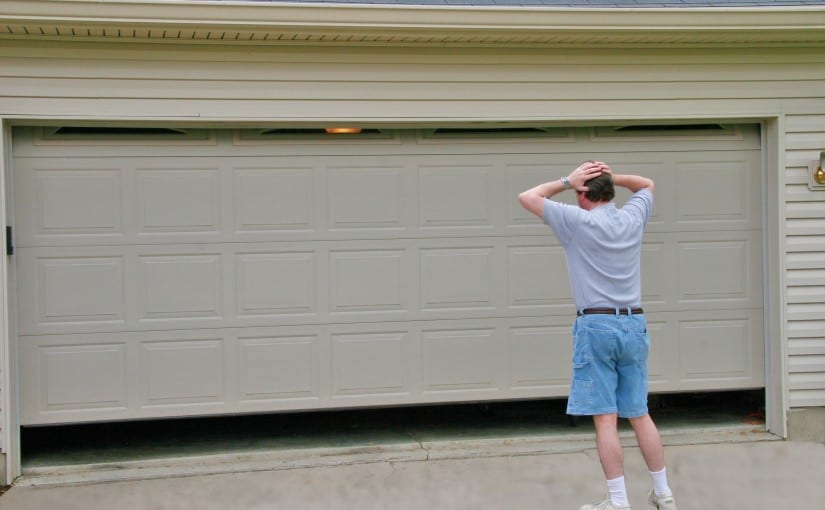
Why Isnt My Garage Door Opener Responding?
The first step in resolving the issue is understanding why it might be happening. Several factors can cause a garage door opener to stop responding. From power supply issues to mechanical failures, the reasons can vary. Lets explore some common causes in detail.
Power Supply Issues
One of the simplest explanations is a power outage or a disconnection. Ensure that your opener is plugged in and that there is no tripped circuit breaker. Sometimes, its as simple as flipping a switch or resetting a breaker.
Remote Control Malfunction
If your remote control is not functioning, it could be due to dead batteries or a need for reprogramming. Check the batteries first and replace them if necessary. If the problem persists, consult your openers manual for reprogramming instructions.
Conducting a Garage Door Inspection
A comprehensive inspection can help you identify the problem with your garage door opener. Heres a step-by-step guide to help you through the process.
Visual Inspection
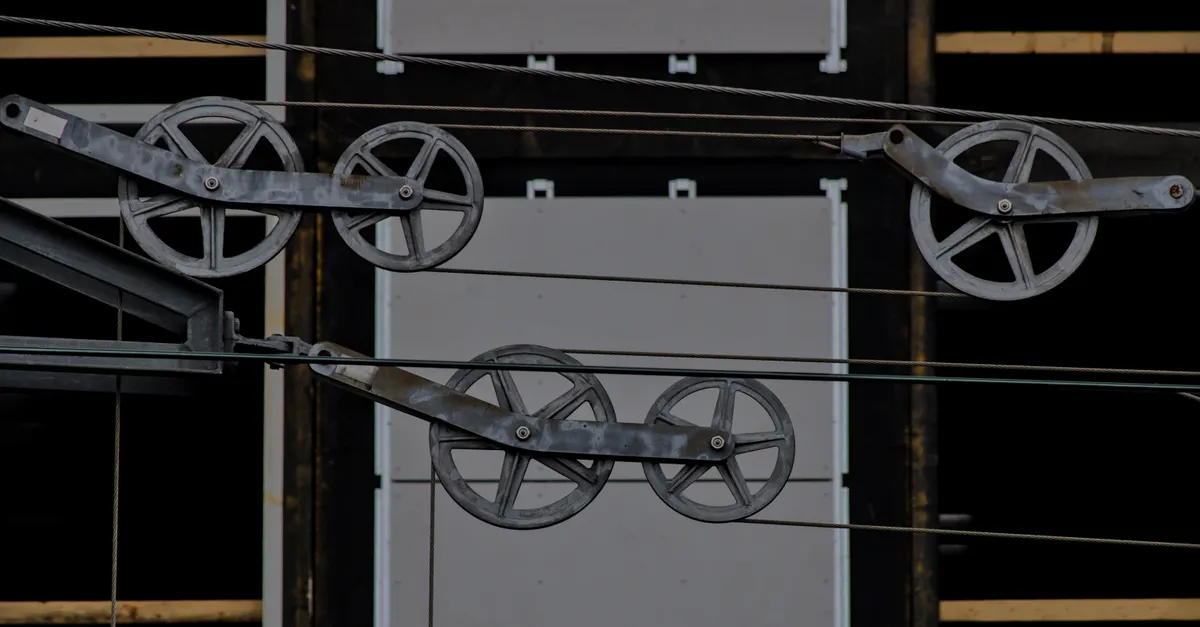
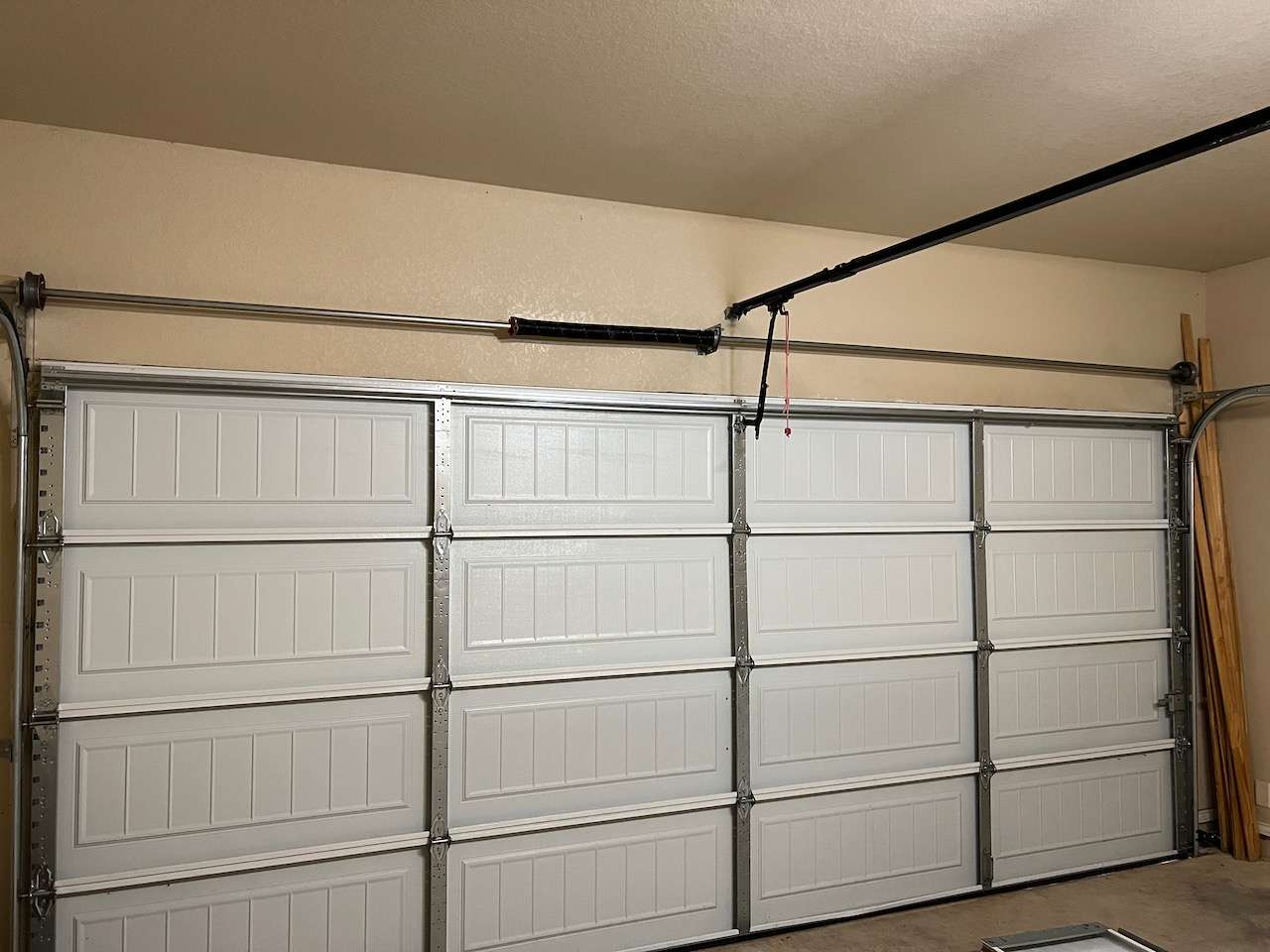
Start by visually examining all parts of your garage door system. Look for signs of wear and tear, rust, or damage. Pay special attention to the cables, pulleys, and springs. If you notice any abnormalities, it might be time to call a professional.
Testing the Balance
A well-balanced garage door is crucial for smooth operation. Disconnect the opener and manually lift the door halfway. If it stays in place, it is balanced. If not, it may require adjustment.
Addressing Mechanical Failures
Mechanical failures can range from broken springs to misaligned tracks. Heres how you can tackle these issues.
Broken Springs
Springs are vital for lifting the heavy weight of the garage door. If a spring is broken, the door might feel heavy or wont open at all. Replacing broken springs requires professional assistance due to the high tension involved.
Misaligned Tracks
Tracks guide the door as it opens and closes. If they are misaligned, you might hear unusual noises, or the door might not open smoothly. Inspect the tracks for gaps or bends and tighten the brackets if necessary.
When to Call a Professional
While many issues can be resolved with a DIY approach, some problems require a professional touch. If youve inspected your garage door and still face issues, it might be time to seek expert help. Professionals have the tools and expertise to diagnose and fix complex problems efficiently.
Preventive Maintenance Tips
Regular maintenance can prevent many common issues with garage door openers. Here are some tips to keep your garage door operating smoothly:
Lubrication
Regular lubrication of moving parts can reduce friction and wear. Use a silicone-based lubricant for the rollers, hinges, and tracks.
Regular Testing
Periodically test the auto-reverse feature to ensure safety. Place an object in the doors path and test if it reverses upon contact.
Conclusion
Understanding how to perform a garage door inspection when your opener isnt responding can save you time and money. By following the steps outlined above, you can diagnose and perhaps even fix the issue yourself. However, dont hesitate to call a professional if the problem persists. Remember, regular maintenance is key to preventing future problems.
FAQs
1. How often should I inspect my garage door?
Its advisable to conduct a thorough inspection every six months to ensure everything is functioning correctly.
2. Can I replace garage door springs myself?
Replacing garage door springs is not recommended as a DIY task due to the risk of injury. Its best to hire a professional.
3. What should I do if my garage door makes squeaking noises?
Squeaking noises usually indicate a need for lubrication. Apply a silicone-based lubricant to the moving parts to reduce noise. For more detailed guidance, check out Squeaking Garage Doors.
For more comprehensive tips and checklists, consider visiting an expert site like Zuper.
This article contains affiliate links. We may earn a commission at no extra cost to you.