As a homeowner, one of the critical components of your house is the garage door. A garage door inspection is vital, especially when you’re dealing with screw drive problems. Regular inspections can prevent costly repairs and ensure smooth operation. This guide aims to provide you with the necessary information to effectively inspect and maintain your garage door.
Understanding Screw Drive Garage Doors
Screw drive garage doors operate via a threaded steel rod that moves the trolley. This mechanism is known for its durability and minimal maintenance requirements. However, like any mechanical system, it can encounter issues that need addressing.
Common Screw Drive Problems
There are several issues specific to screw drive systems, including:
- Noise during operation
- Inconsistent movement or stopping
- Excessive vibration
Why Regular Inspections Matter
Regular garage door inspections help identify potential problems early, ensuring your screw drive system operates efficiently. This not only saves money but also enhances safety.
Initial Visual Inspection
Start by visually examining the entire garage door system. Look for any visible wear or damage on the tracks, the screw drive, and the door panels.
Inspecting the Screw Drive Mechanism
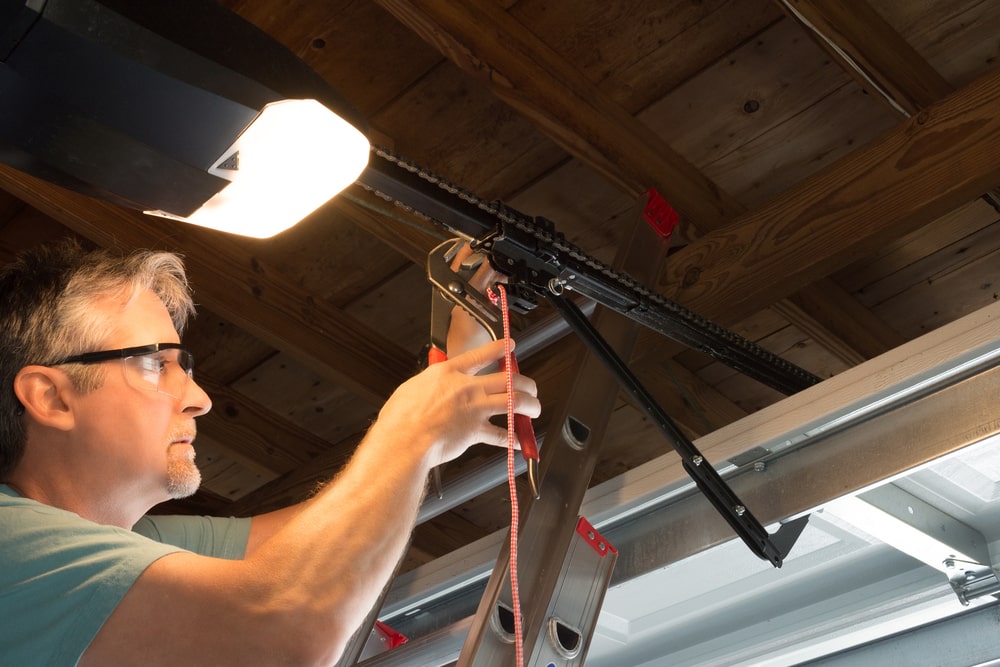
The screw drive mechanism is the heart of your garage door opener. Ensure the following during your inspection:
- Check for loose bolts or screws.
- Inspect the threaded rod for signs of wear or damage.
- Ensure that the trolley moves smoothly along the rod.
Listening for Unusual Sounds
During operation, listen for any unusual noises. Grinding or straining sounds often indicate issues that may require professional attention. You can learn more about specific noises here.
Lubrication: A Simple Solution
One of the simplest maintenance tasks is applying lubrication. Use a silicone-based lubricant to reduce friction on the moving parts, particularly the screw drive.
Step-by-Step Lubrication Guide
1. Disconnect the power supply to the garage door opener.
2. Apply lubricant along the entire length of the screw drive.
3. Operate the door manually to distribute the lubricant evenly.
4. Reconnect the power and test the door’s operation.
Testing the Balance
A well-balanced garage door is crucial for efficient operation. To test the balance:
1. Disconnect the opener by pulling the emergency release cord.
2. Lift the door halfway and release it gently.
3. If the door stays in place, it’s balanced. If not, consider professional adjustment.
When to Call a Professional
If you encounter persistent issues or are unsure about performing certain tasks, it’s best to contact a professional. Experts can perform a detailed inspection and make necessary repairs. For professional services, check out this guide.
Preventive Maintenance Tips
Regular maintenance can prolong the life of your garage door. Here are some tips:
- Schedule inspections every six months.
- Keep the tracks clean and free of debris.
- Regularly tighten any loose components.
Frequently Asked Questions
How often should I inspect my garage door?
Inspections should be conducted every six months to ensure optimal performance.
What should I do if my garage door is noisy?
Check for loose components and apply lubricant. If noise persists, consult a professional.
Can I perform repairs myself?
Basic maintenance can be done by homeowners, but for complex issues, it’s best to hire a professional. For more information on common issues, visit this page.
By staying informed and proactive, you can ensure the longevity and functionality of your screw drive garage door. Whether it’s through regular inspections or timely maintenance, your efforts will keep your garage door running smoothly for years to come.
This article contains affiliate links. We may earn a commission at no extra cost to you.