When it comes to home improvements, garage door insulation and durability are often overlooked. However, these elements are crucial for enhancing the comfort, energy efficiency, and longevity of your home. In this article, we will delve into why these aspects matter and how they can benefit you as a homeowner.
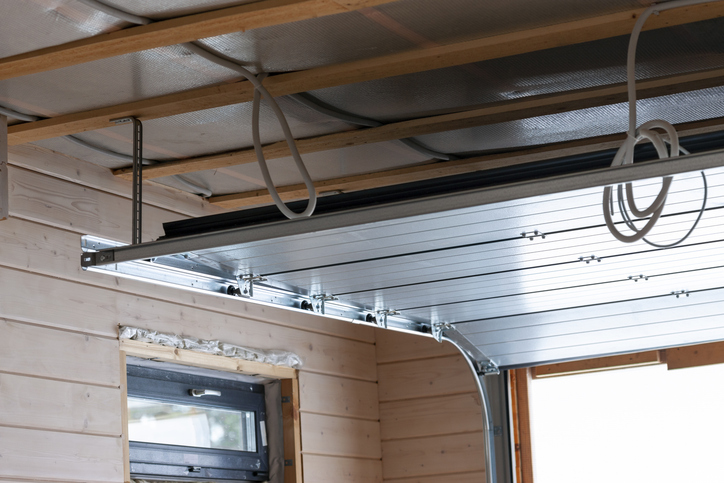
Understanding the Importance of Garage Door Insulation
Insulating your garage door is not just about keeping your garage warm. It’s about creating a barrier that keeps cold air out and warm air in. This is especially important if your garage is attached to your home, as it can significantly impact your energy bills.
Benefits of Garage Door Insulation
- Improved energy efficiency
- Enhanced comfort
- Reduced noise levels
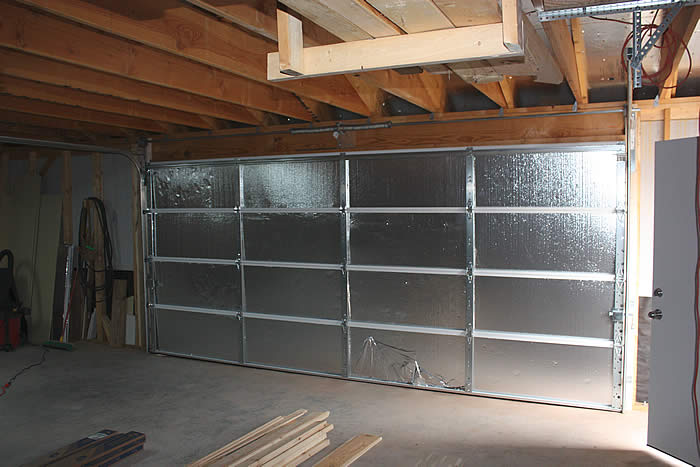
- Increased durability and lifespan of the door
For more detailed information on the benefits, you can check out this informative article on insulated vs non-insulated garage doors.
Factors Affecting Garage Door Durability
Durability is a key factor to consider when choosing a garage door. A durable door will withstand the elements and daily wear and tear, providing security and reliability for years to come.
Materials and Construction
The materials used in the construction of your garage door play a significant role in its durability. Steel, wood, and aluminum are common choices, each with its own advantages and drawbacks.
Maintenance and Longevity
Regular maintenance is essential to ensure your garage door remains in top condition. This includes cleaning, lubrication, and timely repairs. For tips on maintaining your garage door, visit cleaning insulated garage doors.
Types of Garage Door Insulation
There are several types of insulation materials to choose from, each offering different levels of efficiency and protection.
Polystyrene Insulation
Polystyrene is a popular choice for its affordability and ease of installation. It provides a good balance between cost and insulation performance. Learn more about its benefits at polystyrene insulated garage doors.
Polyurethane Insulation
Polyurethane offers superior insulation properties and is ideal for areas with extreme temperatures. It is denser and provides better thermal resistance.
Choosing the Right Insulation for Your Garage Door
When selecting insulation, consider factors such as climate, budget, and the specific needs of your home. Consulting with a professional can help you make an informed decision.
Climate Considerations
In colder climates, higher-grade insulation may be necessary to prevent heat loss. Conversely, in warmer regions, it can help keep your garage cool.
Budget and Efficiency
While it may be tempting to opt for the cheapest option, investing in quality insulation will pay off in the long run through energy savings and increased comfort.
Installation Process of Garage Door Insulation
Installing insulation is a straightforward process, but it requires precision and care to ensure effectiveness.
DIY vs. Professional Installation
While DIY installation can save money, hiring a professional ensures that the job is done correctly and safely.
Steps to Insulate Your Garage Door
The process involves measuring the door, cutting the insulation to size, and securing it in place. For a step-by-step guide, visit how to insulate garage doors.
Enhancing Durability Through Proper Maintenance
Maintaining your garage door is crucial for ensuring its longevity and performance.
Regular Inspections
Conduct routine inspections to identify any signs of wear or damage. This can prevent minor issues from becoming major problems.
Lubrication and Cleaning
Keep moving parts lubricated and clean to ensure smooth operation and prevent rust and corrosion.
Conclusion
In conclusion, investing in garage door insulation and durability is a wise decision for any homeowner. It enhances comfort, reduces energy costs, and provides long-term benefits. By choosing the right materials and maintaining your door properly, you can enjoy a reliable and efficient garage door for years to come.
FAQs
1. Why is garage door insulation important?
Garage door insulation is important because it helps maintain a stable temperature in your garage, reducing energy costs and enhancing comfort.
2. How often should I maintain my garage door?
Regular maintenance should be conducted at least twice a year to ensure optimal performance and longevity.
3. What is the best type of insulation for my garage door?
The best type of insulation depends on your climate, budget, and specific needs. Consulting with a professional can help you make the right choice.
This article contains affiliate links. We may earn a commission at no extra cost to you.