As more homeowners seek to improve the energy efficiency of their homes, the topic of garage door insulation and energy credits has become increasingly popular. Understanding how these elements work together can help you save money, increase your home’s value, and contribute to a more sustainable environment. In this article, we will delve into the intricacies of garage door insulation and explore how you can benefit from energy credits.
Understanding Garage Door Insulation
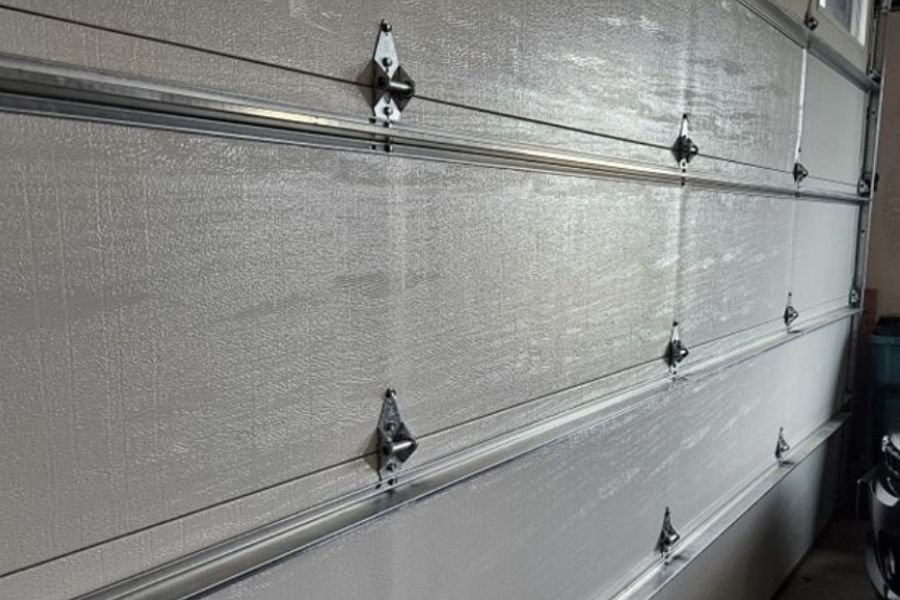
When we talk about garage door insulation, we’re referring to the process of adding a layer of insulating material to your garage door. This is crucial because the garage is one of the least energy-efficient areas of a home, often leading to significant heat loss in the winter and heat gain in the summer. By insulating your garage door, you can maintain a more stable indoor temperature, reduce energy consumption, and lower utility bills.
Types of Garage Door Insulation
There are various types of insulation materials available for garage doors. The most common are:
- Polystyrene Panels: Lightweight and easy to install, these panels offer a moderate level of insulation.
- Polyurethane Foam: Known for its superior insulation properties, this type of foam fills the space between the door’s panels, providing excellent thermal resistance.
- Reflective Insulation: This type uses a reflective surface to bounce heat away, suitable for warmer climates.
Benefits of Insulating Your Garage Door
Insulating your garage door offers several benefits:
Energy Efficiency
By reducing the transfer of heat through your garage, insulated doors can significantly improve your home’s energy efficiency. This means less energy is needed to heat or cool your home, leading to lower energy bills.
Comfort
A well-insulated garage can be a more comfortable space, whether you’re using it as a workspace, gym, or simply storing your car. It can protect against extreme temperatures, making it more usable year-round.
Exploring Energy Credits
Many homeowners may not be aware that insulating their garage door can qualify them for certain energy credits. These credits are incentives offered by the government to encourage energy efficiency improvements in homes.
How Energy Credits Work
Energy credits can be claimed on your taxes and are designed to offset the costs of making energy-efficient upgrades. They vary by region and are dependent on the specific improvements made.
Qualifying for Energy Credits
To qualify for energy credits, homeowners typically need to make sure that the insulation they install meets specific efficiency standards. It’s essential to keep documentation of your purchase and installation to claim these credits.
For more detailed information on the benefits of insulating your garage door, you can refer to an insightful article on insulated garage doors.
Making the Most of Your Insulated Garage Door
Once you’ve decided to insulate your garage door, there are several strategies to maximize the benefits:
Choose the Right Insulation
Consider your climate and the specific needs of your home when selecting insulation. For example, if you live in a colder climate, polyurethane foam might be the best choice due to its high R-value.
Professional Installation
While some homeowners may choose to tackle insulation as a DIY project, professional installation ensures that the job is done correctly and that you receive the maximum benefits.
For more insights on choosing the right insulation for your home, visit our page on luxury homes.
Additional Considerations
Impact on Home Value
Insulating your garage door not only makes your home more energy-efficient but can also increase its resale value. Buyers are often willing to pay more for energy-efficient homes, making this a wise investment.
Environmental Benefits
By reducing energy consumption, you are also reducing your carbon footprint. This is a significant step towards a more sustainable lifestyle and can contribute to broader environmental conservation efforts.
Conclusion
Garage door insulation is an effective way to enhance your home’s energy efficiency, comfort, and value. Coupled with the potential for energy credits, it is an investment that offers financial and environmental benefits. For more information on how to get started, consider exploring resources such as our page on insulation for schools.
FAQs
What are energy credits?
Energy credits are government incentives offered to homeowners who make energy-efficient upgrades, such as insulating their garage doors. These credits can help offset the cost of these improvements.
How do I qualify for energy credits?
To qualify, ensure that your garage door insulation meets specific efficiency standards. Keep documentation of all purchases and installations to claim credits on your taxes.
What type of insulation is best for garage doors?
The best type of insulation depends on your climate and needs. Polyurethane foam is highly effective for cold climates, while reflective insulation is suitable for warmer areas.
This article contains affiliate links. We may earn a commission at no extra cost to you.