When it comes to maintaining a comfortable and energy-efficient home, garage door insulation and moisture control are crucial considerations for homeowners. An insulated garage door not only helps in regulating the temperature but also plays a significant role in moisture management. This article will delve into the importance of these aspects and provide actionable insights for homeowners.
The Importance of Insulating Your Garage Door
One of the primary benefits of garage door insulation is the improvement in energy efficiency. An insulated garage door helps maintain a stable temperature, reducing the strain on your heating and cooling systems. This can lead to significant cost savings on energy bills.
Enhancing Home Value
In addition to energy savings, an insulated garage door can enhance your home’s value. Prospective buyers often look for homes with energy-efficient features, making an insulated garage door a desirable asset. Learn more about how insulated garage doors can increase home value.
Understanding Moisture Control in Garages
Moisture can be a significant issue in garages, leading to problems such as mold growth and structural damage. Effective moisture control is essential to prevent these issues and maintain a healthy environment in your garage.
Preventing Mold and Mildew
Mold and mildew thrive in damp environments. By controlling moisture levels, you can prevent these harmful fungi from taking hold in your garage. This is vital for maintaining both the structural integrity of your home and the health of its occupants.
Techniques to Improve Garage Door Insulation
There are several effective techniques to improve your garage door’s insulation. These include installing weather stripping, using insulation kits, and choosing doors with higher R-values.
Insulation Kits
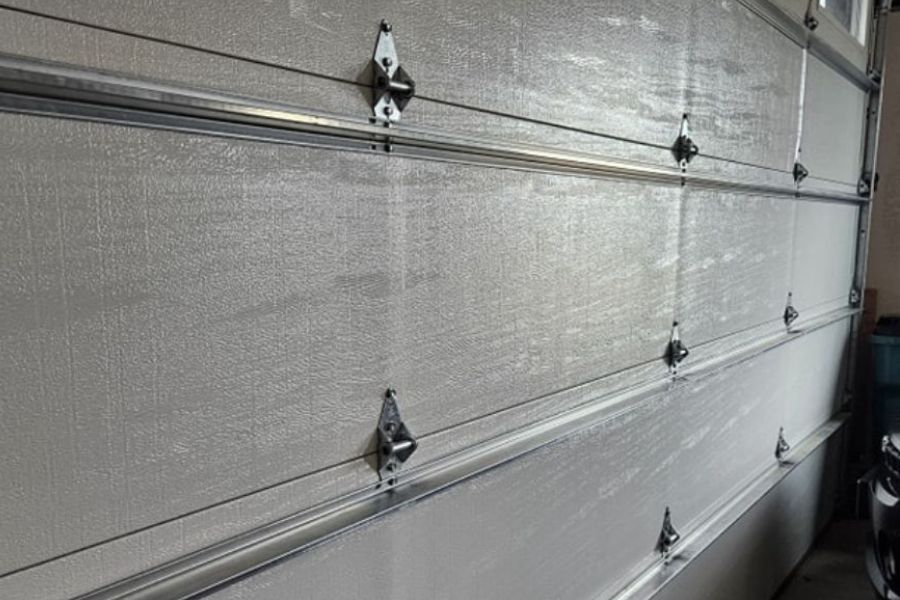
Insulation kits are a convenient option for homeowners looking to enhance their garage door’s insulation. These kits typically include panels that fit within the door’s sections, providing an additional layer of protection against temperature fluctuations. Discover more about insulation kits and their benefits.
Choosing the Right Garage Door
When selecting a garage door, consider materials that offer both insulation and durability. Steel and wood composite doors are popular choices due to their excellent thermal properties and aesthetic appeal.
Matching Your Home’s Exterior
A garage door should complement your home’s exterior design. Choosing the right style and color can enhance your home’s curb appeal. Find tips on matching your garage door to your home’s exterior.
Common Myths About Garage Insulation
Several myths surround garage insulation, such as the belief that insulated doors are unnecessary in mild climates. In reality, even in temperate regions, insulated doors can offer benefits such as noise reduction and enhanced durability.
Debunking Insulation Myths
It’s essential to separate fact from fiction when it comes to garage door insulation. Understanding the true benefits can help you make informed decisions about your home.
FAQs
Why is garage door insulation important?
Garage door insulation is crucial for maintaining energy efficiency and reducing heating and cooling costs. It also helps in noise reduction and adds to the overall comfort of your home.
How does insulation help in moisture control?
Insulation helps in regulating the temperature within the garage, reducing condensation and moisture levels. This prevents mold growth and protects the structural integrity of your garage.
Can I install insulation myself?
Yes, many insulation kits are designed for DIY installation. However, for optimal results, you may consider hiring a professional to ensure proper installation and maximize the insulation’s effectiveness.
Conclusion
Incorporating garage door insulation and moisture control into your home improvement plans can provide significant benefits. From enhancing energy efficiency to preventing moisture-related issues, these measures are a worthwhile investment for any homeowner. To explore more about the benefits and methods of insulating your garage door, visit this external resource.
This article contains affiliate links. We may earn a commission at no extra cost to you.