When it comes to improving your home’s energy efficiency, considering garage door insulation facts is crucial. Many homeowners overlook this aspect, but an insulated garage door can have significant benefits for your home. Understanding these facts can help you make informed decisions about your home’s overall comfort and efficiency.
The Importance of Garage Door Insulation
Insulating your garage door goes beyond just keeping the garage warm. It plays a vital role in reducing energy costs, enhancing comfort, and even protecting the items stored in your garage. Let’s explore why garage door insulation is essential for homeowners.
Energy Efficiency and Cost Savings
An insulated garage door helps maintain a consistent temperature in your garage, which can significantly reduce heating and cooling costs. This is especially true if you have an attached garage, as it can impact the temperature of adjacent rooms. By understanding these facts, homeowners can achieve better energy efficiency.
Improved Comfort
Many people use their garages for more than just parking cars. Whether it’s a home gym, a workshop, or storage space, comfort is key. Insulated garage doors help keep the space comfortable year-round, making it more usable and enjoyable.
Protection for Stored Items
Temperature fluctuations can damage items stored in the garage, especially electronics and perishable goods. By insulating your garage door, you provide a more stable environment, protecting your belongings from extreme temperatures.
Types of Garage Door Insulation
There are several types of insulation materials available, each with its own set of benefits. Here are some common options:
Polystyrene Insulation
Polystyrene is a cost-effective option that provides decent insulation. It’s often used in polystyrene insulated garage doors, offering a balance between cost and performance.
Polyurethane Insulation
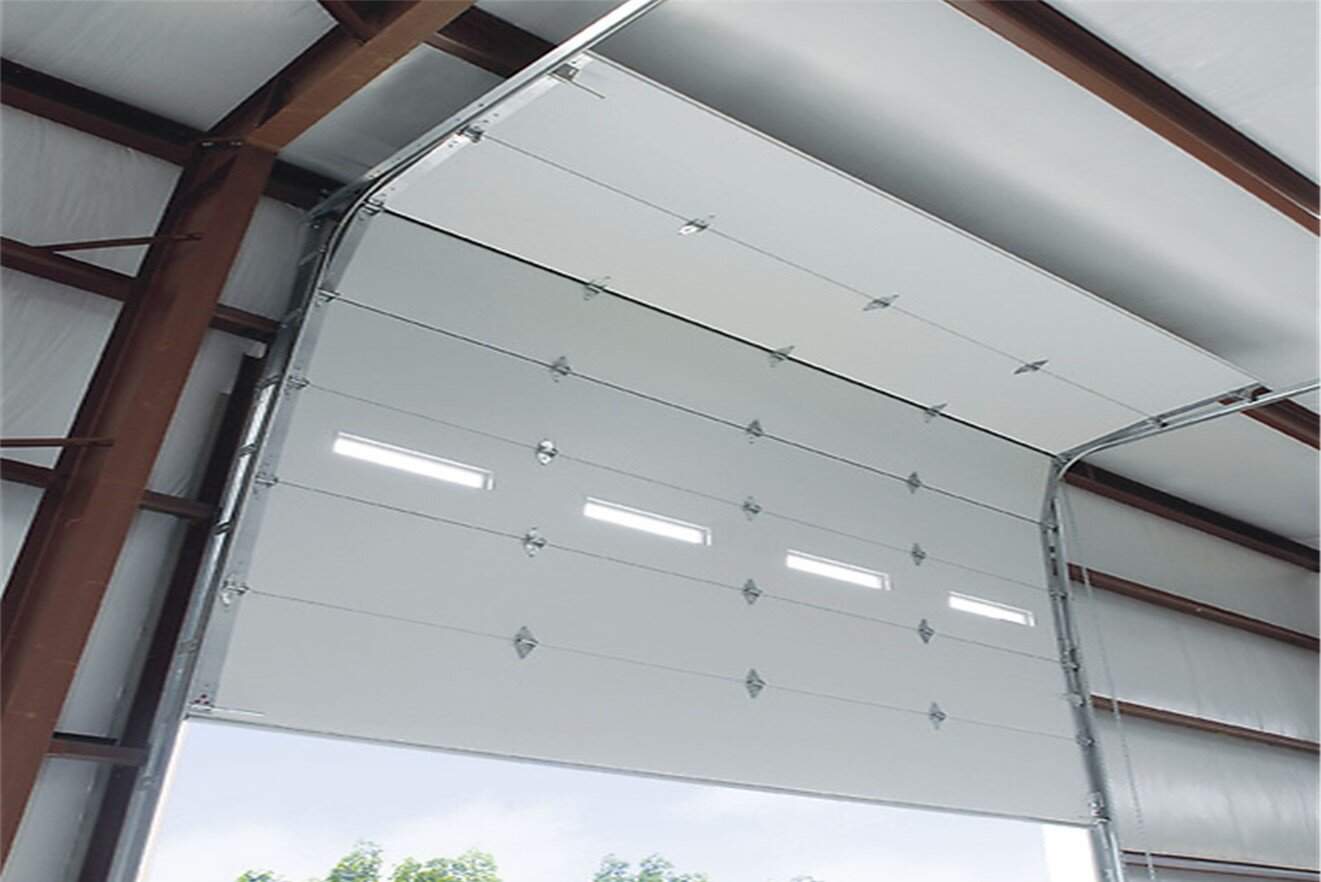
Polyurethane is a denser material that offers superior insulation. It’s often used in premium garage doors and is ideal for those looking for maximum energy efficiency.
Reflective Foil Insulation
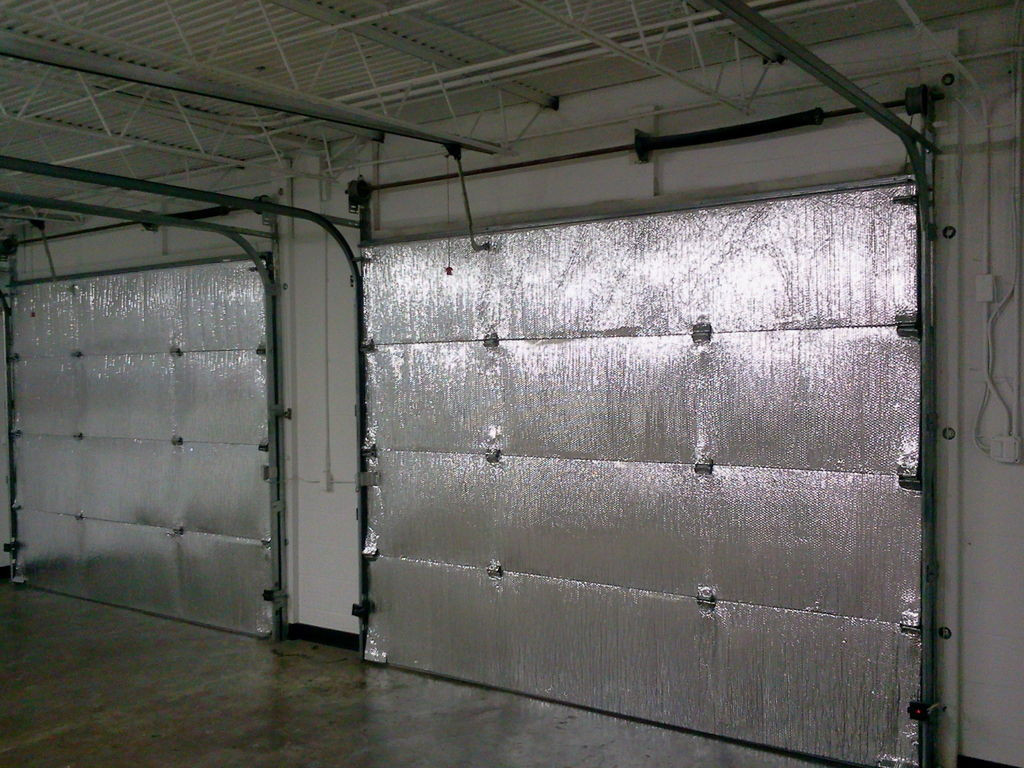
This type of insulation uses reflective foil to block radiant heat, making it effective in hot climates. It’s lightweight and easy to install, making it a popular choice for DIY enthusiasts.
Installing Insulation: DIY or Professional?
Deciding whether to install insulation yourself or hire a professional depends on your comfort level and the complexity of the project. For those who enjoy DIY projects, there are many resources available to guide you through the process.
DIY Installation
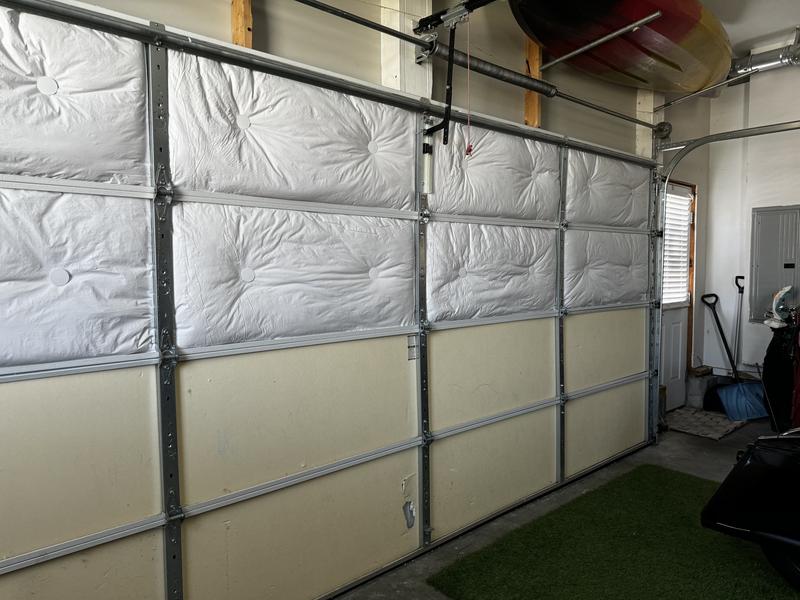
For handy homeowners, installing garage door insulation can be a rewarding project. Many insulation kits are available that provide step-by-step instructions, making it accessible even for beginners.
Professional Installation
Hiring a professional ensures that the job is done right the first time. Professionals have the experience and tools to install insulation efficiently, saving you time and potential frustration.
Maintaining Your Insulated Garage Door
Once your garage door is insulated, regular maintenance is essential to keep it functioning optimally. This includes cleaning and inspecting the insulation for any damage.
Regular Cleaning
Keeping your insulated garage door clean is crucial for maintaining its efficiency. For tips on cleaning, visit cleaning insulated garage doors for more information.
Inspecting Insulation
Regularly inspect the insulation for signs of wear or damage. Address any issues promptly to ensure that your garage door continues to provide the desired benefits.
FAQs About Garage Door Insulation
Is insulating a garage door worth the investment?
Yes, insulating your garage door can significantly reduce energy costs and improve home comfort.
What is the best type of insulation for garage doors?
Polyurethane is often considered the best due to its high insulation value, but polystyrene and reflective foil are also effective.
Can I install insulation myself?
Yes, many homeowners successfully install insulation as a DIY project, but professional installation is recommended for the best results.
For more information on garage door insulation and related topics, visit garage door insulation and fire safety.
This article contains affiliate links. We may earn a commission at no extra cost to you.