When it comes to enhancing the comfort and energy efficiency of your home, garage door insulation for garages without HVAC plays a pivotal role. Many homeowners overlook their garages, especially when they lack an HVAC system. However, insulating your garage door can make a significant difference in maintaining a stable temperature and improving overall home efficiency.
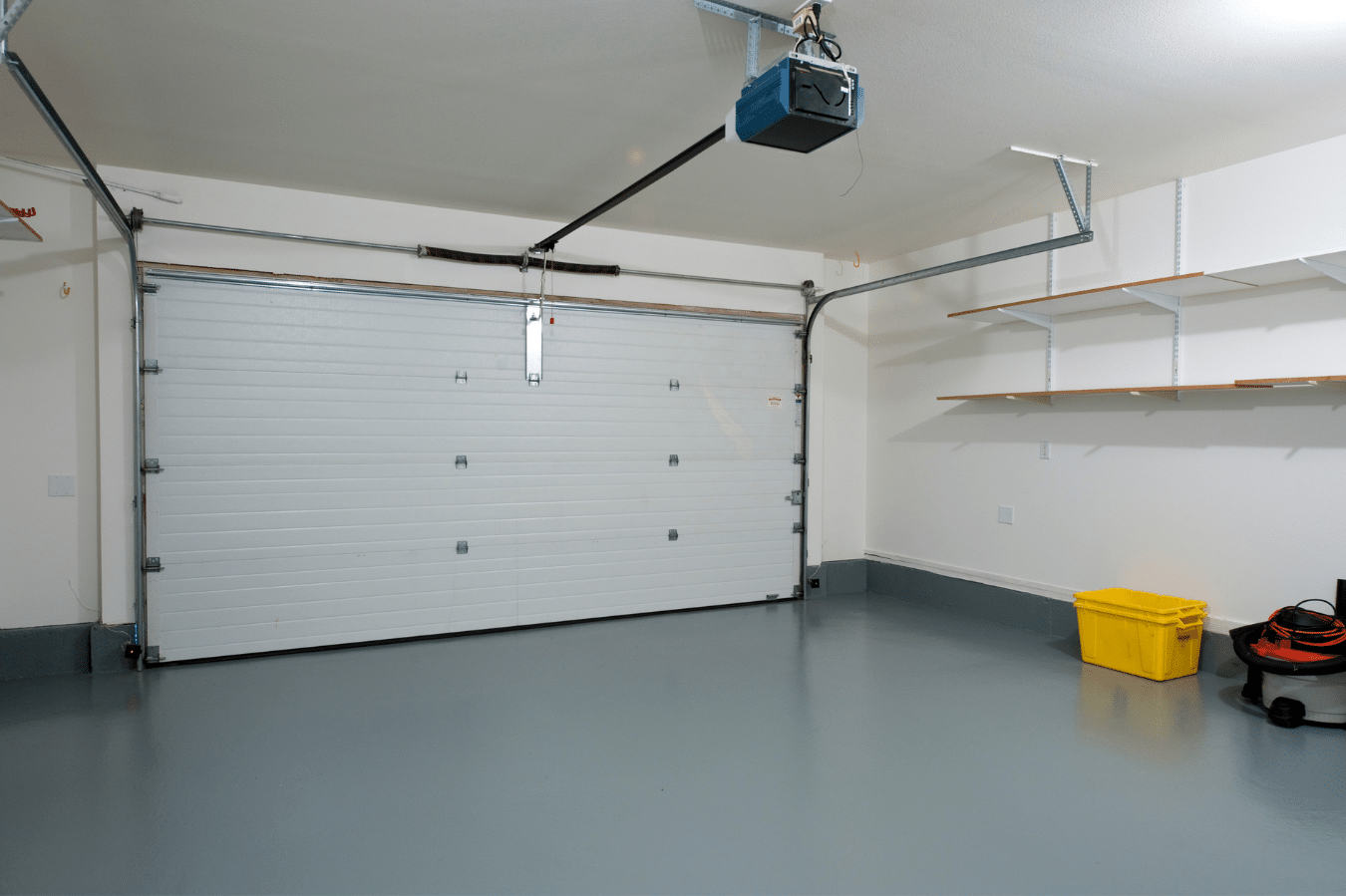
Why Insulate Your Garage Door?
Insulating your garage door offers several benefits, especially for garages without HVAC. It helps in reducing heat loss during winter and minimises heat gain in summer, making your garage more comfortable throughout the year. Additionally, a well-insulated garage door can lead to energy savings by reducing the load on your home’s heating and cooling systems.
Types of Garage Door Insulation
Foam Board Insulation
Foam board insulation is a popular choice for garage doors due to its high insulating value. It is lightweight, easy to install, and provides excellent thermal resistance.
Reflective Insulation
This type of insulation uses reflective materials to bounce heat away from the garage, making it particularly effective in hot climates. Reflective insulation is also lightweight and can be easily attached to the garage door.
Batt Insulation
Batt insulation is typically made from fiberglass and comes in pre-cut panels. It’s a cost-effective solution but can be more challenging to install compared to other types.
Steps to Insulate Your Garage Door
Gather Your Materials
Before starting the insulation process, gather all necessary materials, including insulation panels, adhesive, a utility knife, and safety gear. Ensure you have the correct type and size of insulation for your specific garage door.
Measure and Cut the Insulation
Measure the panels of your garage door and cut the insulation to fit each panel precisely. Proper measurement is crucial to ensure a snug fit and optimal thermal performance.
Attach the Insulation
Using adhesive, attach the insulation panels to the garage door. Ensure they are firmly in place to prevent any gaps that could compromise the insulation’s effectiveness.
Benefits of Insulating a Garage Without HVAC
By insulating a garage that lacks an HVAC system, you can significantly improve the overall comfort of your home. The insulation acts as a thermal barrier, reducing temperature fluctuations and providing a more stable environment. This can also protect stored items from extreme temperatures.
Cost Considerations
The cost of insulating a garage door varies based on the type of insulation and the size of your garage door. However, the investment often pays off through reduced energy bills and enhanced home comfort. For a detailed cost guide, consider visiting OGD Garage Door Insulation.
Common Mistakes to Avoid
When insulating your garage door, avoid common mistakes such as using the wrong type of insulation, not measuring correctly, or failing to secure the insulation properly. These errors can reduce the effectiveness of your insulation efforts.
Maintaining Your Insulated Garage Door
Regular maintenance is crucial to ensure the longevity and effectiveness of your insulated garage door. Check for any damage or wear over time, and replace or repair as needed to maintain optimal insulation performance.
Additional Tips for Garage Comfort
Beyond insulation, consider weatherstripping the edges of your garage door to further prevent drafts. Installing a garage door threshold seal can also help keep out water and debris.
Environmentally Friendly Insulation Options
For homeowners interested in eco-friendly options, there are insulation materials made from recycled materials that offer both environmental benefits and excellent insulating properties.
DIY vs. Professional Installation
While many homeowners opt for DIY insulation projects, professional installation ensures proper fitting and optimal performance. Weigh the pros and cons to decide what works best for your situation.
FAQs
Is garage door insulation necessary if I don’t have HVAC?
Yes, insulating your garage door can improve comfort and energy efficiency, even without HVAC.
What type of insulation is best for my garage door?
The best type depends on your climate and budget. Foam board and reflective insulation are popular choices.
Can I install insulation myself?
Yes, with the right tools and instructions, you can install insulation yourself. However, professional installation may offer better results.
Conclusion
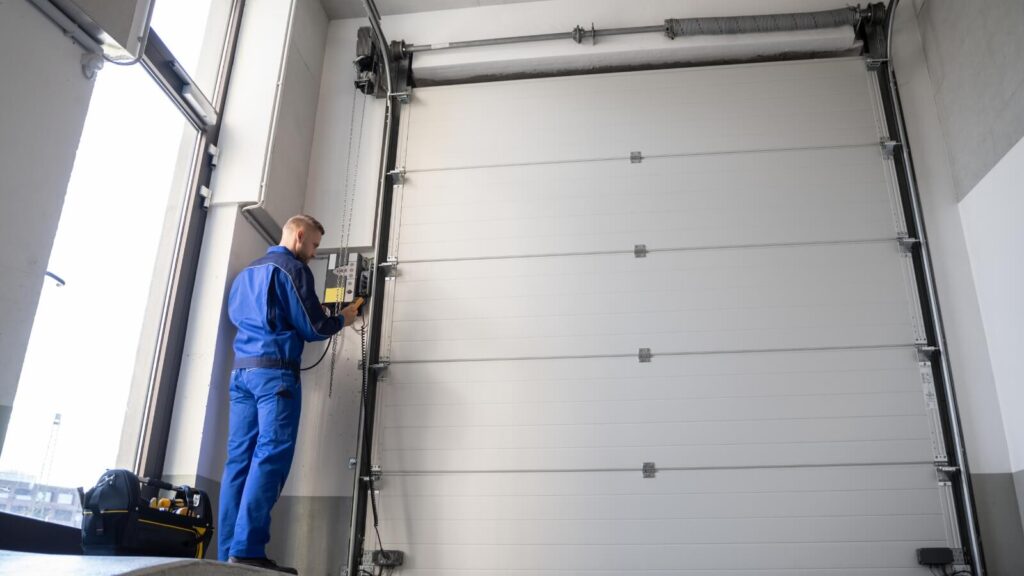
Insulating your garage door is a wise investment for homeowners, especially those with garages without HVAC systems. By taking the time to insulate, you enhance the comfort, energy efficiency, and overall value of your home. For more information on installation and benefits, visit Garage Door Insulation and Comfort Control.
This article contains affiliate links. We may earn a commission at no extra cost to you.