In the quest to create a vibrant indoor garden, many homeowners are exploring unique ways to optimize their space. One intriguing option is using garage door insulation for indoor gardening. This approach not only enhances the environment for your plants but also brings numerous benefits to your home. In this article, we will delve into the advantages, methods, and considerations of using garage door insulation for indoor gardening.
Why Consider Garage Door Insulation?
Before diving into the specifics, let’s understand why garage door insulation is an appealing choice for indoor gardening. Insulating your garage door helps in maintaining a stable temperature, reducing energy costs, and minimizing noise. For those interested in turning their garage into a gardening haven, these benefits become particularly crucial.
Benefits of Indoor Gardening
Indoor gardening offers numerous advantages, from improving air quality to providing a source of fresh produce. By cultivating plants indoors, you can enjoy gardening year-round, regardless of outdoor weather conditions. Additionally, indoor plants contribute to mental well-being and can enhance the aesthetic appeal of your home.
Enhanced Temperature Control
One of the primary benefits of garage door insulation is improved temperature control. A well-insulated garage door helps in keeping the interior space warmer during winter and cooler in summer. This stable environment is essential for the optimal growth of plants.
Energy Efficiency
By insulating your garage door, you can significantly reduce energy consumption. This is particularly beneficial if you use heating or cooling systems to maintain a specific temperature range for your plants. The reduced energy demand not only saves money but also reduces your carbon footprint.
Noise Reduction
Insulating your garage door also helps in dampening external noise, creating a serene environment for both plants and homeowners. This is especially advantageous if your garage is located near busy streets or noisy neighborhoods.
Types of Garage Door Insulation
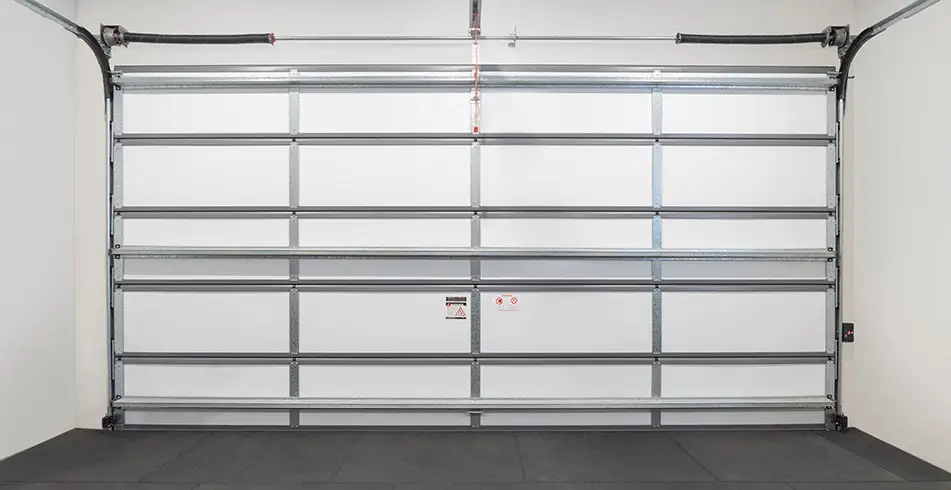
There are several types of insulation materials available, each with its unique properties and benefits. Choosing the right type of insulation is crucial for maximizing the benefits for your indoor garden.
Polystyrene Insulation
Polystyrene is a popular choice due to its excellent insulating properties and cost-effectiveness. It is easy to install and provides a good balance between thermal efficiency and affordability. For more details, check out polystyrene insulated garage doors.
Polyurethane Insulation
Polyurethane offers superior insulation performance and is ideal for extreme climates. It is more expensive than polystyrene but provides better thermal resistance, making it a worthwhile investment for serious gardeners.
Reflective Foil Insulation
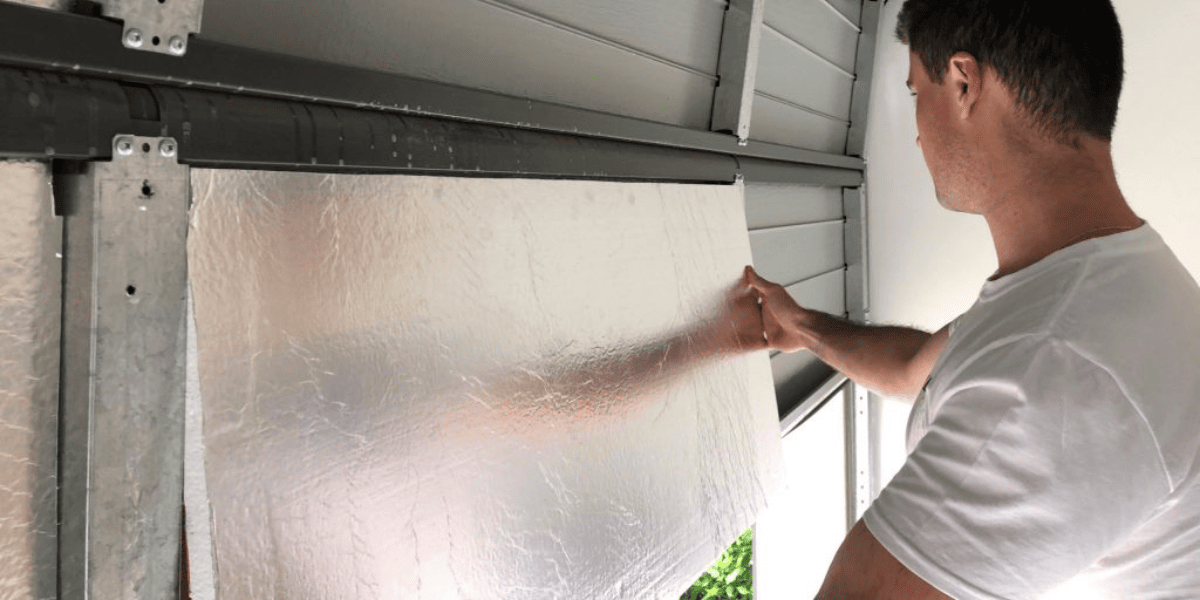
Reflective foil insulation is another option, known for its ability to reflect heat. This type of insulation is particularly useful in hot climates where keeping the interior cool is a priority.
Installation Process
Installing insulation on a garage door is a straightforward process that can often be done by homeowners themselves. However, it is important to follow the correct steps to ensure maximum effectiveness.
Preparation
Start by cleaning the garage door thoroughly and inspecting it for any damages. It’s crucial to address any issues before proceeding with insulation. For detailed guidance, visit triple-layer insulated garage doors.
Measuring and Cutting
Measure the dimensions of your garage door panels and cut the insulation material accordingly. Ensure that the pieces fit snugly to prevent any gaps that could compromise the insulation’s effectiveness.
Installation
Attach the insulation panels to the garage door using adhesive or fasteners. Make sure each panel is securely in place to avoid any movement or sagging over time.
Considerations for Indoor Gardening
When planning an indoor garden in your garage, there are several factors to keep in mind to ensure a successful venture.
Lighting
Proper lighting is essential for plant growth. Consider using LED grow lights, which are energy-efficient and provide the necessary spectrum for photosynthesis.
Ventilation
Adequate ventilation is crucial to prevent mold growth and ensure a healthy environment for your plants. Consider installing fans or vents to maintain air circulation.
Humidity Control
Maintaining the right humidity levels is important for plant health. Use a humidifier or dehumidifier to regulate moisture in the air as needed.
Additional Benefits of Garage Door Insulation
Beyond supporting your indoor garden, garage door insulation offers several additional benefits for your home.
Increased Property Value
An insulated garage door can enhance the overall value of your home. Potential buyers often appreciate the energy efficiency and comfort that insulation provides.
Enhanced Comfort
By insulating your garage door, you can transform the space into a comfortable and functional area, suitable for various activities beyond gardening.
Common Challenges and Solutions
While garage door insulation offers numerous benefits, it is not without challenges. Here are some common issues and their solutions.
Condensation
Condensation can occur if the insulation is not properly installed. Ensure that the insulation fits tightly and consider using a vapor barrier to prevent moisture buildup.
Cost
The initial cost of insulation materials and installation can be a concern for some homeowners. However, the long-term savings on energy bills and increased home value often outweigh the upfront expenses.
Conclusion
In conclusion, using garage door insulation for indoor gardening is a smart and sustainable choice for homeowners looking to create a thriving indoor garden. With the right insulation materials, installation techniques, and maintenance practices, you can enjoy a productive and energy-efficient gardening space. For more insights, consider exploring the pros and cons of insulated and non-insulated garage doors.
FAQs
1. Can I install insulation on my garage door myself?
Yes, many homeowners choose to install garage door insulation themselves. However, if you’re unsure, it’s always best to consult a professional.
2. What is the best type of insulation for garage doors?
The best type of insulation depends on your specific needs and climate. Polystyrene and polyurethane are popular choices for their thermal efficiency.
3. How does garage door insulation affect my energy bills?
Garage door insulation can significantly reduce energy consumption, leading to lower energy bills. It helps maintain a stable temperature, reducing the need for heating or cooling.
This article contains affiliate links. We may earn a commission at no extra cost to you.