When it comes to maintaining a comfortable and energy-efficient home, the role of garage door insulation cannot be overstated. Conducting a garage door insulation thermal test is a crucial step in determining how well your garage door is performing in terms of thermal efficiency. This test helps homeowners understand the effectiveness of their insulation and identify areas that may require improvement. In this article, we will explore the significance of a garage door insulation thermal test and how it can benefit you in the long run.

Why Is Garage Door Insulation Important?
Garage doors are often overlooked when it comes to home insulation, but they play a significant role in maintaining the overall temperature of your home. An insulated garage door can prevent heat loss during the winter and keep the heat out during the summer, leading to energy savings and increased comfort. By conducting a garage door insulation thermal test, you can assess the performance of your current insulation and make informed decisions about potential upgrades.
Understanding the Thermal Test
The garage door insulation thermal test involves measuring the temperature difference between the inside and outside of the garage door. This test can be conducted using infrared thermometers or thermal imaging cameras, which provide visual representations of heat distribution. By identifying areas where heat is escaping or entering, homeowners can pinpoint weak spots in their insulation and take corrective measures.
Benefits of Conducting a Thermal Test
- Energy Efficiency: A well-insulated garage door reduces energy consumption by minimizing heat transfer, leading to lower utility bills.
- Comfort: Proper insulation ensures a consistent and comfortable temperature in your garage, making it usable year-round.
- Durability: Insulation can protect your garage and its contents from extreme temperature fluctuations, prolonging the lifespan of your belongings.
How to Conduct a Garage Door Insulation Thermal Test
Conducting a garage door insulation thermal test is a straightforward process that can be done by homeowners or professionals. Here are the steps involved:
Step 1: Gather the Necessary Tools
To conduct the test, you will need an infrared thermometer or a thermal imaging camera. These tools can be purchased or rented from home improvement stores.
Step 2: Prepare the Garage
Ensure that the garage is at a stable temperature, ideally mirroring the outdoor temperature. Close all windows and doors to prevent drafts that could affect the test results.
Step 3: Perform the Test
Using the infrared thermometer or thermal imaging camera, scan the surface of the garage door, paying close attention to areas around the edges, seams, and any visible cracks. Record the temperature readings and take note of any significant temperature differences.
Step 4: Analyze the Results
Compare the temperature readings to identify areas where insulation may be lacking. These are the spots where heat transfer is most likely occurring.
Interpreting the Results
After conducting the garage door insulation thermal test, you’ll have a clear picture of your insulation’s effectiveness. If you notice significant temperature differences, it’s time to consider upgrading your insulation. You can explore various insulation options that cater to your specific needs and budget.
Choosing the Right Insulation for Your Garage Door
When it comes to insulating your garage door, there are several options to consider. The choice of insulation material can greatly impact the thermal efficiency of your garage door. Here are some popular insulation options:
Polystyrene Insulation
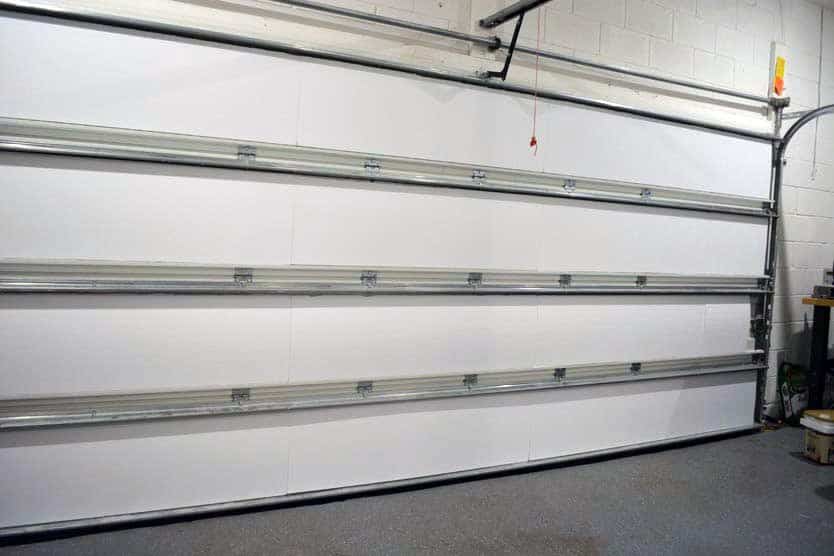
Polystyrene is a lightweight and cost-effective insulation material that provides good thermal resistance. It is easy to install and can be cut to fit the dimensions of your garage door. This type of insulation is commonly used in residential garages and offers a balance between performance and affordability.
Polyurethane Insulation
Polyurethane insulation is known for its superior thermal performance and durability. It provides a higher R-value per inch compared to polystyrene, making it an excellent choice for homeowners seeking maximum energy efficiency. While it may be more expensive, the long-term energy savings can offset the initial investment.
Reflective Insulation
Reflective insulation consists of a layer of foil that reflects radiant heat away from the garage. This type of insulation is effective in hot climates where the primary concern is keeping the heat out. Reflective insulation is often used in conjunction with other insulation materials for enhanced thermal performance.
Professional Installation vs. DIY
When it comes to installing insulation, homeowners have the option of hiring professionals or taking the DIY route. Each approach has its advantages and considerations.
Professional Installation
Hiring a professional to install your garage door insulation ensures a high-quality and precise installation. Professionals have the expertise and tools necessary to assess your specific needs and recommend the most suitable insulation materials. While professional installation may come at a higher cost, it offers peace of mind knowing that the job is done correctly.
DIY Installation
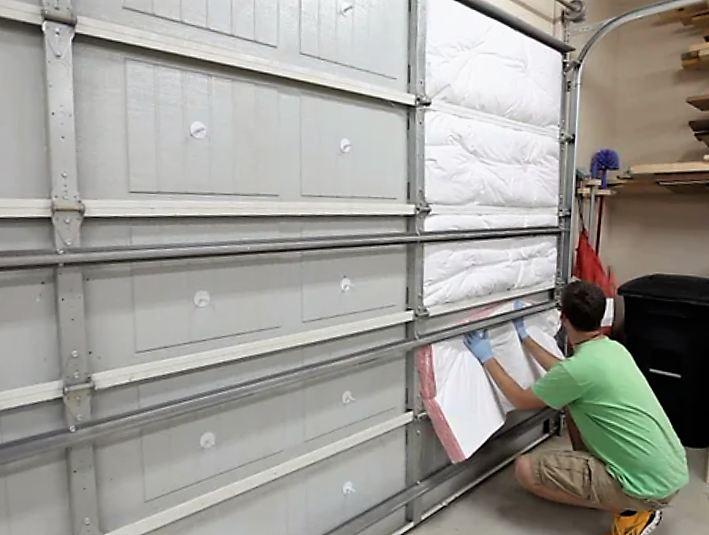
For homeowners who enjoy tackling home improvement projects, DIY installation can be a rewarding option. Many insulation kits are available on the market, complete with step-by-step instructions. However, it’s important to note that improper installation can compromise the effectiveness of the insulation. If you choose the DIY route, take the time to research and follow the instructions carefully.
Maintaining Your Insulated Garage Door
Once your garage door is insulated, regular maintenance is essential to ensure its continued performance. Here are some tips for maintaining your insulated garage door:
- Regular Inspections: Check your garage door insulation periodically for any signs of wear or damage. Address any issues promptly to prevent heat loss.
- Weatherstripping: Ensure that the weatherstripping along the edges of the garage door is intact and functioning properly. Replace any worn-out or damaged weatherstripping to maintain a tight seal.
- Cleaning: Keep the surface of your garage door clean and free from dirt and debris. This helps maintain the integrity of the insulation and prevents any potential damage.
Conclusion
In conclusion, conducting a garage door insulation thermal test is a valuable step in optimizing the thermal efficiency of your garage door. By understanding the importance of insulation and taking proactive measures, homeowners can enjoy increased comfort, energy savings, and protection for their belongings. Whether you choose professional installation or tackle the project yourself, investing in quality insulation is a decision that pays off in the long run.
FAQs
1. Is garage door insulation worth the investment?
Yes, garage door insulation is worth the investment. It improves energy efficiency, enhances comfort, and protects your garage and its contents from temperature extremes.
2. How often should I conduct a garage door insulation thermal test?
Conducting a thermal test annually is recommended to ensure your garage door insulation remains effective and to address any issues that may arise.
3. Can I install garage door insulation myself?
Yes, homeowners can install garage door insulation themselves using DIY kits. However, it’s important to follow instructions carefully to ensure proper installation and achieve the desired results.
For more information on garage door insulation, you can visit this article.
This article contains affiliate links. We may earn a commission at no extra cost to you.