Ensuring your garage door is properly lubricated is crucial for its smooth and quiet operation. This article provides a comprehensive guide on how to check garage door lubrication, a task that every homeowner should be familiar with. Regular maintenance can prevent costly repairs and extend the life of your garage door. Whether you are a new homeowner or have been maintaining your garage door for years, understanding how to check and apply lubrication is essential.
Why Lubrication Matters
Garage doors have many moving parts that require regular lubrication to function efficiently. Without proper lubrication, parts like rollers, hinges, and springs may experience increased friction, leading to wear and tear. This can cause your garage door to operate noisily or even stop functioning altogether. By learning how to check garage door lubrication, you can ensure these components remain in good condition, preventing unnecessary strain on your garage door opener.
Identifying Signs of Poor Lubrication
It’s important to recognize the signs that your garage door may need lubrication. Common indicators include:
- Noisy Operation: Squeaking or grinding sounds can signal that parts are rubbing against each other without enough lubrication.
- Slow Movement: If your garage door opens or closes slower than usual, it might be due to increased friction in the moving parts.
- Visible Rust: Rust on springs, tracks, or hinges indicates a lack of lubrication, which can lead to further damage.
Tools You Will Need
Before you begin, gather the necessary tools and materials:
- Lubricant: Use a silicone or lithium-based spray lubricant designed for garage doors.
- Clean Cloth: To wipe away dirt and old lubricant.
- Safety Glasses: Protect your eyes while applying lubricant.
- Step Ladder: To reach higher parts of the garage door mechanism.
How to Check Garage Door Lubrication
Inspect Rollers and Tracks
The rollers and tracks are pivotal in smooth operation. Begin by checking for any dirt or debris in the tracks. Wipe them clean with a cloth, then apply a small amount of lubricant to the rollers, ensuring they move freely along the tracks.
Examine Hinges
Hinges connect the sections of your garage door. Inspect each hinge for signs of wear or rust. Apply lubricant to the pivot points to maintain smooth movement and reduce noise.
Check Springs
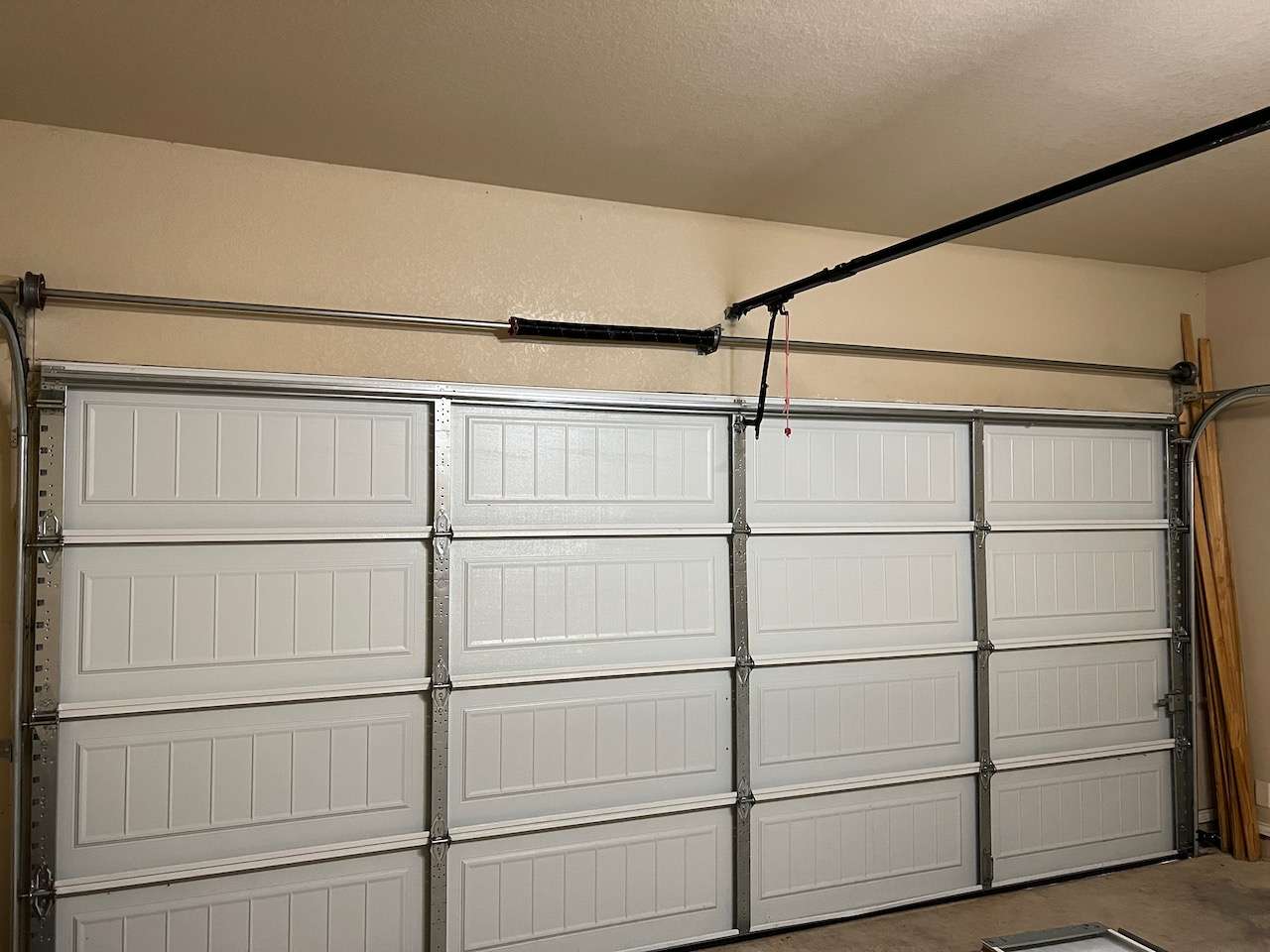
Springs are under high tension and should be handled with care. Look for any rust or gaps in the coils. Lubricate the springs lightly, ensuring the lubricant penetrates the coils to prevent friction and corrosion.
Assess the Garage Door Opener
Ensure the opener’s chain or screw drive is properly lubricated. Apply lubricant sparingly to avoid a sticky residue that can attract dust.
Maintaining Your Garage Door
Regular maintenance is key to prolonging the life of your garage door. In addition to lubrication, perform periodic checks for any signs of wear or damage. Tighten any loose bolts or screws and keep the tracks free of debris. For more detailed guidance, you can explore this guide on garage door bearings and how they play a role in the overall function.
Common Mistakes to Avoid
When checking and applying lubrication, avoid these common mistakes:
- Over-lubricating: Excess lubricant can attract dirt and dust, causing more harm than good.
- Using the Wrong Lubricant: Avoid using WD-40, as it is not suitable for garage door components.
- Ignoring Safety Precautions: Always use safety glasses and avoid handling parts under high tension, like springs.
When to Seek Professional Help
While regular maintenance can be done by homeowners, certain issues require professional attention. If you notice any unusual sounds, irregular movement, or damage to the springs, it’s best to contact a professional. For more insights, you can refer to these inspection tips.
Conclusion
Understanding how to check garage door lubrication is an essential skill for every homeowner. By keeping your garage door well-maintained, you can ensure its longevity and reliable operation. Regular lubrication helps prevent noise, wear, and mechanical issues, saving you time and money in the long run. For more detailed maintenance tips, consider visiting this pulley system inspection guide for comprehensive advice.
FAQ
How often should I lubricate my garage door?
It’s recommended to lubricate your garage door every six months to ensure smooth operation and prevent wear.
Can I use WD-40 for garage door lubrication?
No, WD-40 is not suitable for garage door components as it can attract dirt. Use a silicone or lithium-based lubricant instead.
What should I do if my garage door is still noisy after lubrication?
If your garage door remains noisy after lubrication, it may indicate a more serious issue. Consider contacting a professional to assess the problem.
This article contains affiliate links. We may earn a commission at no extra cost to you.