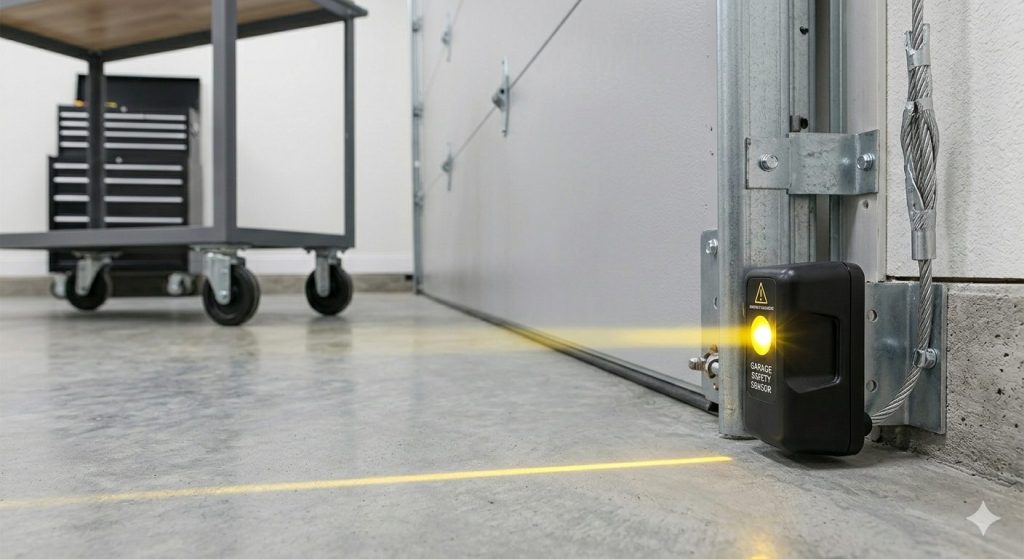
Flooding can cause significant issues for garage door systems, especially the safety sensors that prevent accidents and ensure smooth operation. When water enters your garage, it can disrupt the delicate electronics and alignment of these sensors, leading to malfunction or complete failure. Knowing how to fix garage door sensor after a flood is essential for restoring safety and convenience to your home.
This guide walks through the practical steps to assess, clean, and repair your garage door sensors after water exposure. You’ll also find tips for preventing future problems and advice on when to call a professional. For those interested in deeper diagnostics, you might also want to learn how to check garage door sensor voltage to ensure your system is functioning properly.
Understanding Flood Damage to Garage Door Sensors
Garage door sensors are typically installed near the base of the door, making them especially vulnerable to water intrusion during floods. These sensors use infrared beams to detect obstructions and communicate with the opener. When exposed to water, several issues can occur:
- Short circuits from moisture inside the sensor housing
- Corrosion of electrical contacts and wiring
- Misalignment due to shifting or swelling of mounting surfaces
- Dirt and debris left behind as floodwaters recede
Any of these problems can prevent your garage door from closing or cause it to reverse unexpectedly. Addressing them quickly is important for both safety and convenience.
Initial Steps: Safety and Assessment
Before working on any electrical component, always prioritize safety. Disconnect the power to your garage door opener at the breaker or unplug it from the outlet. This reduces the risk of electric shock while handling wet or damaged components.
Next, visually inspect the area:
- Check for standing water or excessive moisture around the sensors and opener.
- Look for obvious signs of damage, such as cracked sensor housings, loose wires, or corrosion.
- Note any blinking or non-illuminated sensor lights, which often indicate a problem.
If you notice persistent moisture or humidity, consider reviewing advice on how to fix garage door sensor moisture problems for targeted solutions.
Step-by-Step Guide to Restoring Sensor Function After Flooding
1. Dry and Clean the Sensors
Begin by gently drying the sensors and their mounting brackets with a soft cloth. If possible, use a can of compressed air to blow out any remaining moisture from inside the sensor housing. Allow the sensors to air dry for several hours, or use a fan to speed up the process.
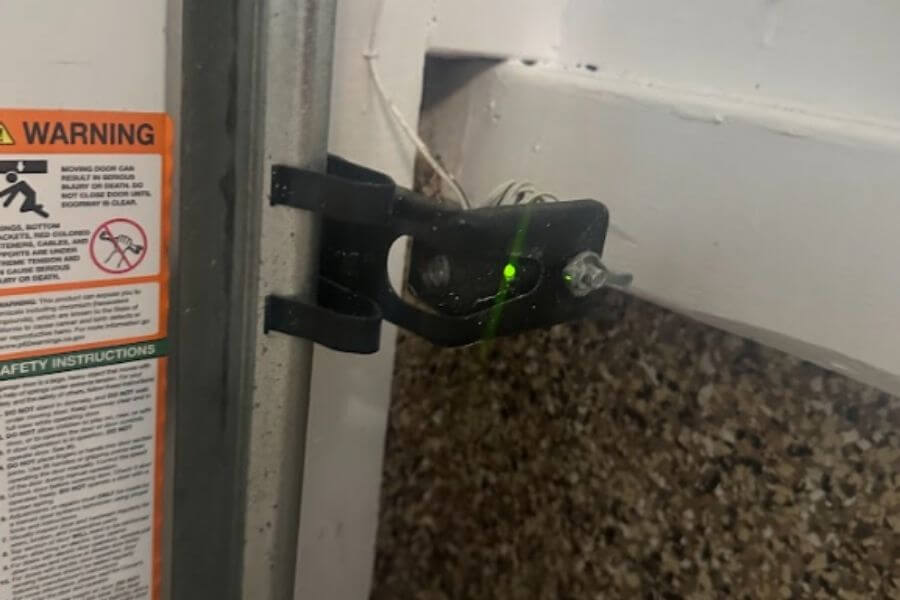
Clean the sensor lenses with a non-abrasive cloth and mild cleaner. Dirt or residue left by floodwaters can block the infrared beam, causing the system to malfunction.
2. Check Sensor Alignment and Mounting
Flooding can shift the sensor brackets or cause the mounting surfaces to swell or warp. Make sure both sensors are facing each other directly and are mounted at the same height from the floor. Most sensors have indicator lights that should be solid (not blinking) when aligned correctly.
If you’re unsure about the beam’s path, you can learn more about what is the beam path of a garage door sensor to help with precise realignment.
3. Inspect and Repair Wiring
Water exposure can corrode or loosen the wires connecting your sensors to the opener. Gently tug on the wires to ensure they are secure. If you see any green or white corrosion, disconnect the power and clean the contacts with a small brush and electrical contact cleaner. Replace any damaged wires as needed.
4. Test the System
Once everything is dry and reassembled, restore power to the opener. Test the garage door by closing it with the remote or wall button. If the sensors are working, the door should close smoothly. If the door reverses or the sensor lights are still blinking, further troubleshooting may be needed.
For more advanced diagnostics, you can refer to resources on troubleshooting garage door sensors for step-by-step guidance.
5. Replace Sensors If Necessary
If drying, cleaning, and realigning do not restore function, the sensors may be permanently damaged. In this case, replacement is the most reliable solution. Be sure to purchase compatible sensors for your opener model and follow the manufacturer’s installation instructions.
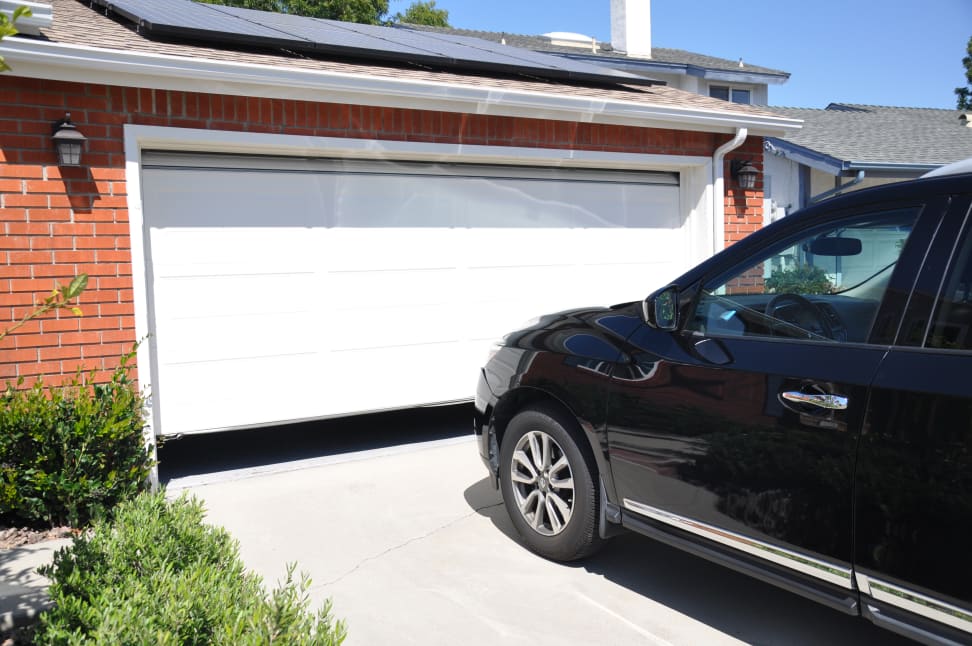
Preventing Future Flood Damage to Garage Door Sensors
Once your system is working again, consider taking steps to reduce the risk of future water damage:
- Install weatherproof covers or shields over your sensors. Learn how to install garage door sensor sun shields for added protection.
- Seal gaps at the base of your garage door to prevent water intrusion.
- Elevate sensors slightly above the floor if possible, without interfering with their operation.
- Regularly inspect and maintain your garage door system, especially after heavy rain or storms.
Proactive maintenance and simple upgrades can save you time and money by avoiding repeat issues.
When to Call a Professional
While many sensor issues after flooding can be resolved with basic tools and patience, there are times when professional help is needed:
- Persistent electrical problems or tripped breakers
- Visible damage to the opener or control board
- Repeated sensor failures even after cleaning and replacement
- Uncertainty about wiring or safe handling of electrical components
A certified garage door technician can quickly diagnose and repair complex issues, ensuring your system is safe and reliable.
Frequently Asked Questions
Can garage door sensors be repaired after being submerged in water?
Sometimes, sensors can be salvaged if they are thoroughly dried and cleaned soon after exposure. However, if water has entered the internal electronics or caused corrosion, replacement is usually necessary for reliable operation.
Why are my garage door sensor lights still blinking after a flood?
Blinking lights typically indicate misalignment, moisture inside the sensor, or wiring issues. Double-check alignment, clean the lenses, and inspect the wiring for corrosion or loose connections. If the problem persists, the sensors may need to be replaced.
How can I prevent garage door sensor problems in future floods?
Use weatherproof shields, seal the garage door base, and elevate sensors if possible. Regular inspections and prompt cleaning after storms can also help maintain sensor function.
What does a yellow sensor light mean after water exposure?
A yellow light often signals alignment or power issues. For more details, see advice on why is my garage door sensor yellow and how to address it.