Garage door sensors are essential for safety and smooth operation, but when they lose connection or malfunction, your garage door may refuse to close or open properly. Understanding how to fix garage door sensor connection problems is crucial for homeowners who want to restore their door’s reliability and avoid unnecessary service calls. This guide will walk you through the most common causes, step-by-step troubleshooting, and proven solutions to keep your garage door sensors working as intended.
Before diving into repairs, it’s important to know that sensor issues can arise from misalignment, wiring faults, dirty lenses, or even interference from sunlight and nearby electronics. Addressing these problems promptly not only improves convenience but also ensures your garage remains safe for your family and pets.
If your setup involves unique challenges—such as mounting sensors on metal studs or dealing with persistent wiring issues—check out our detailed resource on how to fix garage door sensor mounting on metal studs for specialized advice.
Common Signs of Sensor Connection Issues
Recognizing the symptoms of a faulty garage door sensor connection is the first step to a quick fix. Here are the most frequent indicators:
- Garage door won’t close or reverses immediately after attempting to close.
- The sensor lights are off, blinking, or show inconsistent colors.
- The garage door opener flashes its main light or displays an error code.
- Manual operation works, but remote or wall controls fail.
These problems often point to a disruption in the sensor’s electrical or optical connection. In some cases, the sensor light may blink in a specific pattern to indicate the nature of the fault. For more on this, see our article on why is my garage door sensor light blinking twice.
Step-by-Step Troubleshooting for Sensor Connection Problems
To effectively resolve garage door sensor connection issues, follow these proven troubleshooting steps:
1. Inspect Sensor Alignment
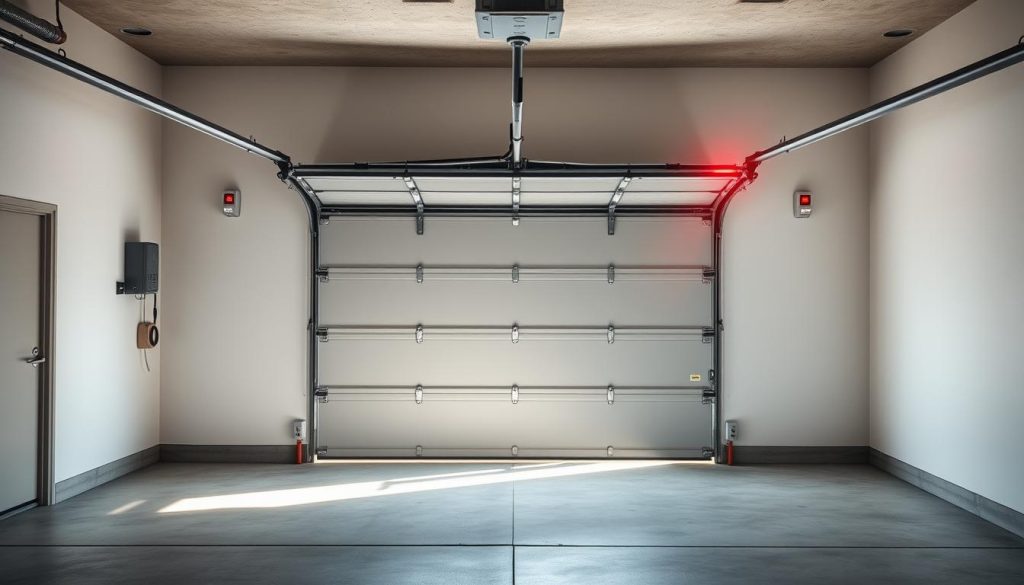
Misaligned sensors are the most common cause of connection failures. Both sensors (usually mounted on either side of the garage door, near the floor) must face each other directly. If bumped or nudged, their beams may no longer align, breaking the connection.
- Check that both sensors are at the same height and firmly attached.
- Look for solid or blinking indicator lights; a steady light typically means proper alignment.
- Gently adjust the sensors until both lights remain solid.
2. Clean the Sensor Lenses
Dirt, cobwebs, or debris on the sensor lenses can block the infrared beam, causing the system to think there’s an obstruction. Use a soft, dry cloth to gently wipe each lens. Avoid using harsh chemicals that could scratch or cloud the plastic.
3. Check for Obstructions and Interference
Objects placed near the sensors—such as tools, bikes, or even leaves—can interrupt the beam. Remove any items in the sensor’s path. Additionally, direct sunlight or strong LED lighting can sometimes interfere with the infrared signal. If possible, shade the sensors or reposition lights to minimize interference.
4. Examine Wiring and Connections
Loose, frayed, or damaged wires are another frequent culprit. Inspect the wires running from each sensor to the garage door opener. Look for:
- Disconnected or loose wires at the sensor or opener terminals.
- Visible cuts, nicks, or corrosion on the wires.
- Signs of rodent damage or moisture intrusion.
If you discover wiring issues, you may find our guide on how to fix garage door sensor wiring using electrical tape helpful for safe and effective repairs.
5. Test the Power Supply
Both sensors require a steady supply of low-voltage power from the opener. If neither sensor light is on, check for a tripped breaker, unplugged opener, or blown fuse. Restore power and observe if the sensor lights return.
Advanced Fixes for Persistent Sensor Connection Failures
If basic troubleshooting doesn’t resolve the issue, consider these advanced solutions:
- Replace faulty sensors: If one or both sensors fail to light up despite proper wiring and power, replacement may be necessary.
- Upgrade to compatible models: Older sensors may not work well with newer openers. Ensure your sensors match your opener’s brand and model.
- Address electrical noise: Nearby appliances or faulty outlets can introduce interference. Try plugging the opener into a different outlet or using a surge protector.
- Check for internal opener faults: If all else fails, the opener’s circuit board may be at fault. Professional diagnosis may be required.
For more troubleshooting tips and in-depth repair instructions, you can visit this comprehensive guide to garage door sensor repair from a trusted industry source.
Preventing Future Sensor Connection Issues
Once you’ve restored your garage door sensor’s connection, a few simple habits can help prevent future problems:
- Regularly clean the sensor lenses and keep the area around them clear.
- Check sensor alignment after any accidental bumps or door adjustments.
- Inspect wiring for wear and address issues promptly.
- Protect sensors from direct sunlight or harsh weather where possible.
- Test your garage door safety features monthly to ensure reliable operation.
Unusual noises or humming from your sensors may also indicate underlying electrical issues. If you notice this, our article on how to fix garage door sensor hum or buzz covers solutions for these specific symptoms.
Frequently Asked Questions
What causes garage door sensors to lose connection?
The most common causes include sensor misalignment, dirty or blocked lenses, damaged wiring, power supply issues, and interference from sunlight or electrical devices. Regular maintenance and prompt repairs can minimize these disruptions.
Can I bypass garage door sensors if they’re not working?
While some openers allow you to override the sensors temporarily by holding the wall button, this is not recommended for regular use. Bypassing safety sensors can put people, pets, and property at risk. It’s best to address the underlying issue as soon as possible.
How do I know if my garage door sensor needs replacement?
If you’ve checked alignment, cleaned the lenses, verified wiring, and confirmed power supply but the sensor lights remain off or the door still malfunctions, the sensors may be faulty. Replacing them with compatible models is often the most reliable fix.
Why does my garage door sensor light keep blinking?
A blinking sensor light usually signals misalignment or an obstruction in the sensor’s path. Adjust the sensors until both lights are solid, and remove any objects blocking the beam. For more details, see our guide on garage door sensor light blinking issues.
Conclusion
Addressing garage door sensor connection problems doesn’t have to be complicated. By following the steps outlined here—checking alignment, cleaning lenses, inspecting wiring, and addressing power issues—you can restore your garage door’s safety and convenience. For persistent or complex issues, don’t hesitate to consult a professional or refer to specialized resources for additional guidance. Regular maintenance and prompt attention to sensor problems will keep your garage door system running smoothly for years to come.