Ensuring that your garage door functions smoothly is an integral part of home maintenance. If you’re wondering how to inspect garage door movement, you’re in the right place. Regular inspections can prevent potential issues, saving you time and money in the long run. In this article, we will guide you through the entire process of inspecting your garage door, ensuring it’s working as it should.

Why Inspecting Garage Door Movement is Essential
Before diving into the inspection process, understanding why it’s crucial is important. Regular inspections help in identifying potential problems early, ensuring the longevity of your garage door. This not only enhances safety but also avoids unexpected repair costs.
The Basics of Garage Door Movement
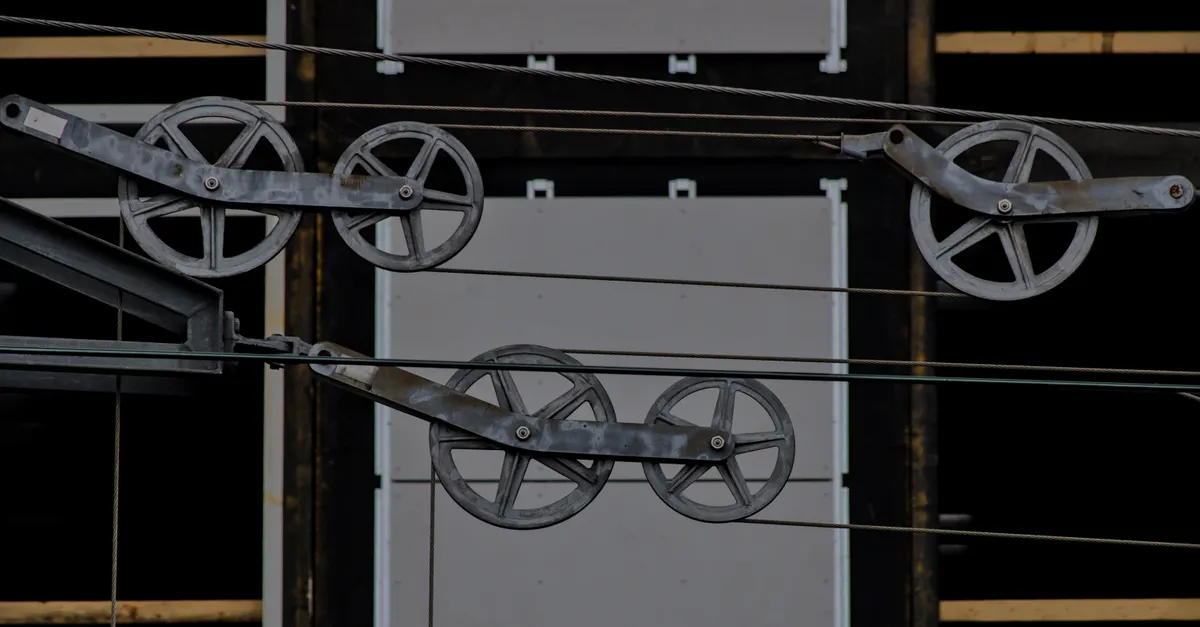
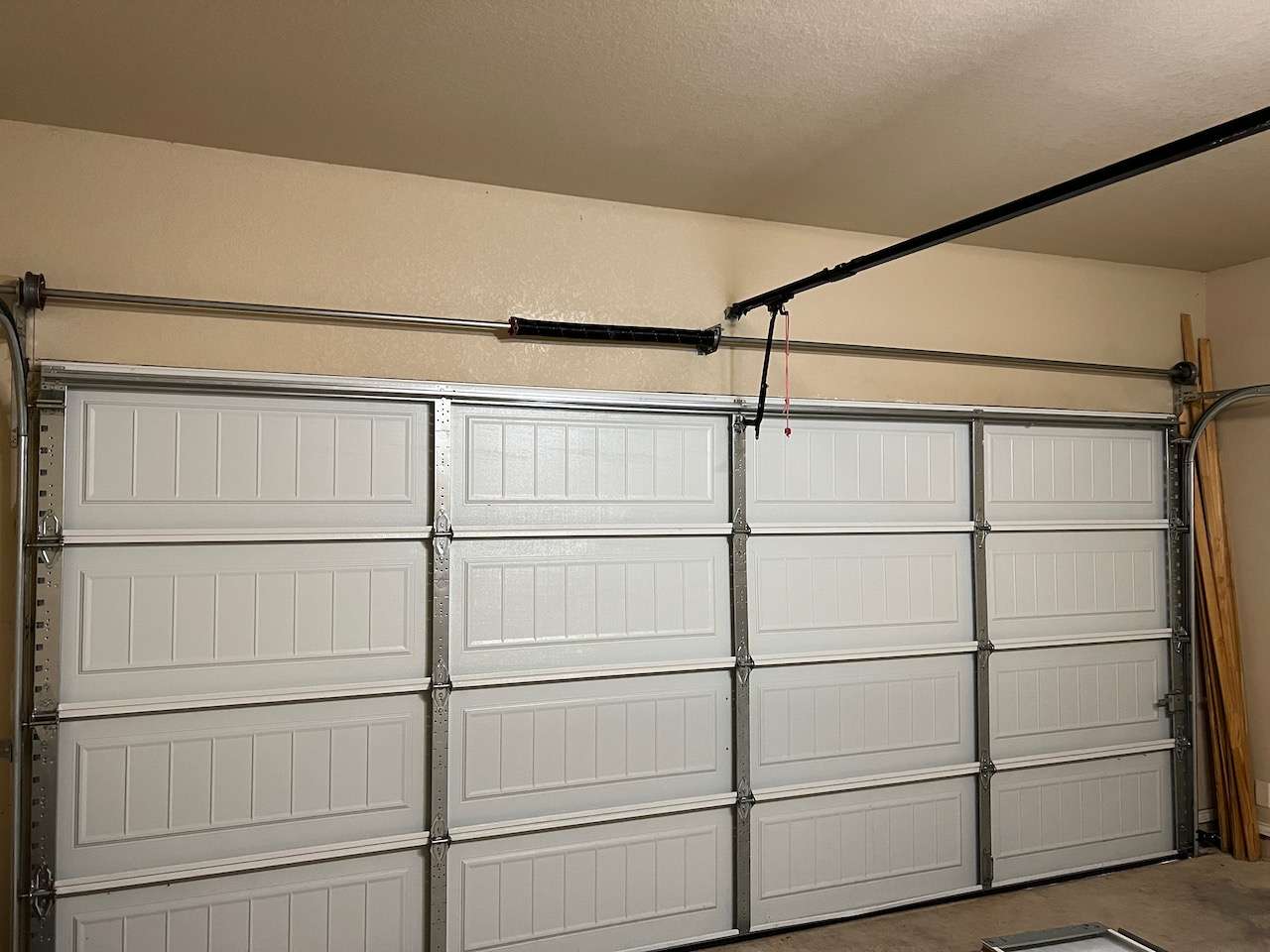
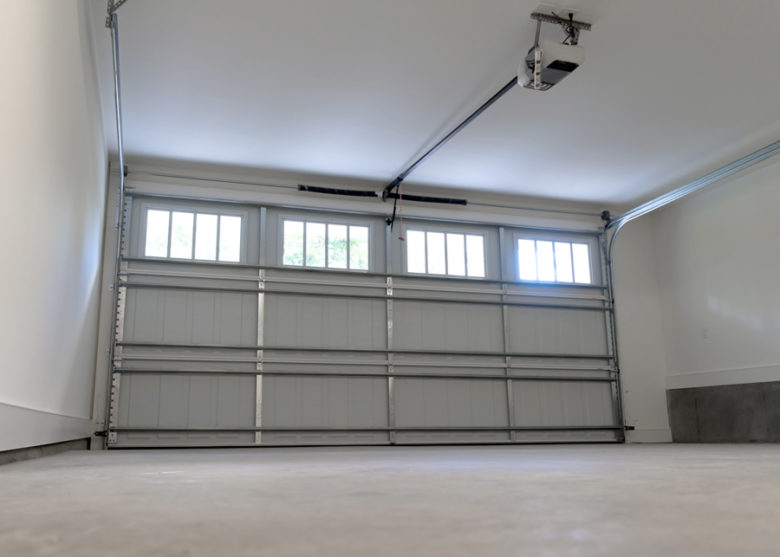
Garage doors, whether manual or automatic, rely on a complex mechanism involving springs, tracks, and rollers. Any misalignment or wear in these components can affect the door’s movement. By knowing how to inspect garage door movement, you can ensure these parts are in top condition.
Tools Needed for Inspection
Before starting the inspection, gather essential tools like a wrench, screwdriver, lubricant, and a clean cloth. These tools will help you address any minor issues on the spot.
Step-by-Step Guide to Inspecting Your Garage Door
1. Visual Inspection
Start with a thorough visual inspection. Look for signs of wear or damage on the door’s surface, tracks, and rollers. Check for any unusual sounds or resistance when opening or closing the door.
2. Checking the Balance
A well-balanced door is key to smooth operation. Disconnect the automatic opener and manually lift the door halfway. If it stays in place, the balance is fine. If it moves, you may need to adjust the springs.
3. Inspecting the Tracks
Ensure the tracks are aligned and free from debris. Clean them with a damp cloth and tighten any loose bolts. Misaligned tracks can hinder the doors movement.
4. Examining the Rollers and Hinges
Rollers and hinges play a crucial role in door movement. Inspect them for wear and tear and apply lubricant to ensure smooth operation. Replace any damaged parts promptly.
5. Testing the Auto-Reverse Feature
For safety, the auto-reverse feature must be functional. Place an object like a broomstick in the doors path and close it. The door should reverse upon contact. If it doesn’t, consult a professional.
Common Issues and How to Fix Them
While inspecting, you might encounter common issues such as squeaky noises or slow movement. These can often be resolved by tightening loose screws or applying lubricant. For more complex problems, consider professional help. Garage door inspection signs can guide you when professional intervention is needed.
When to Call a Professional
While regular inspections can be done by homeowners, certain issues like broken springs or faulty cables require professional expertise. If you notice any serious problems, it’s best to call in a professional to avoid accidents.
Preventive Maintenance Tips
To keep your garage door in top shape, consider regular maintenance. This includes lubricating moving parts, tightening hardware, and ensuring the door is aligned. Regular checks can prevent major issues down the line.
Understanding Garage Door Mechanisms
Having a basic understanding of how your garage door works can aid in better maintenance. Familiarize yourself with the components and their functions to diagnose issues effectively.
Conclusion
Inspecting your garage door movement is a vital part of home maintenance that ensures safety and efficiency. By following these steps and performing regular checks, you can keep your garage door in excellent condition, extending its lifespan and preventing costly repairs. For more information, visit garage door inspection tips.
FAQs
How often should I inspect my garage door?
It’s recommended to inspect your garage door at least twice a year to ensure it operates smoothly.
What should I do if my garage door is noisy?
Noise can often be reduced by lubricating moving parts. However, persistent noise may require professional inspection.
Can I fix a misaligned track myself?
Minor adjustments can be done at home, but for significant misalignments, it’s best to consult a professional.
This article contains affiliate links. We may earn a commission at no extra cost to you.