Every homeowner knows the importance of keeping their home in top shape, and one often overlooked area is the garage door. Understanding how to inspect garage door tracks can be crucial for the safety and longevity of your garage door system. In this guide, well cover the essential steps to ensure your garage door tracks are in excellent condition.
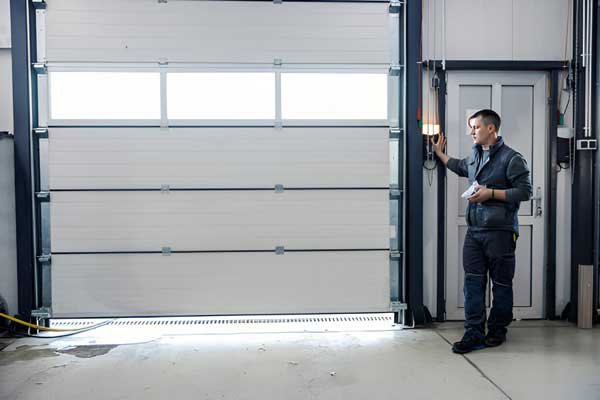
Understanding the Importance of Garage Door Tracks
Garage door tracks play a vital role in the smooth operation of your garage door. They guide the door as it opens and closes, ensuring that it moves correctly without any hiccups. A misaligned or damaged track can cause significant issues, potentially leading to costly repairs or even accidents.
Gathering Your Tools for Inspection
Before diving into the inspection, it’s essential to have the right tools on hand. Youll need a wrench, a level, and a flashlight. These tools will help you thoroughly examine the tracks and make necessary adjustments.
Step-by-Step Guide to Inspecting Garage Door Tracks
1. Visual Inspection
Begin with a visual inspection of the tracks. Look for any noticeable dents, bends, or damage. Ensure there are no obstructions or debris within the tracks that could impede the door’s movement.
2. Checking Track Alignment
Using a level, check if the tracks are properly aligned. The tracks should be perfectly vertical. Misalignment can cause the door to strain and may lead to further damage.
3. Tightening Loose Fasteners
Over time, the vibrations from the door’s operation can loosen the screws or bolts that hold the tracks in place. Use a wrench to tighten any loose fasteners.
4. Lubricating the Tracks
Proper lubrication is vital for the smooth operation of the garage door. Use a silicone-based lubricant to avoid attracting dirt and grime.
5. Testing the Door’s Functionality
After completing the inspection and making necessary adjustments, test the garage door. Ensure it opens and closes smoothly without any unusual sounds or resistance.
When to Call a Professional
While many homeowners can handle minor maintenance tasks, some issues require professional attention. If you notice severe damage or if the door is not operating correctly after your adjustments, it may be time to consult with a professional. For more detailed guidance on professional inspections, you can visit this external resource.
Precautions to Consider
Safety should always be your top priority. Ensure the garage door is in the closed position before conducting any inspections or maintenance. Disconnect the power supply to prevent accidental activation.
Regular Maintenance Tips
To keep your garage door in optimal condition, schedule regular maintenance checks. This includes inspecting the tracks, lubricating moving parts, and checking the balance of the door.
Common Garage Door Track Issues
Identifying common track issues can help you address them promptly. Some typical problems include corrosion, loose brackets, and worn-out rollers. Addressing these issues early can prevent more significant problems down the line.
Dealing with Rust and Corrosion
Rust and corrosion are common in metal tracks, especially in humid environments. Regular cleaning and applying a rust-resistant primer can help mitigate these issues.
Ensuring Safety Features are Functional
Modern garage doors come equipped with safety features, such as sensors and auto-reverse mechanisms. Ensure these features are working correctly as part of your inspection routine.
Enhancing Your Garage Door’s Lifespan
Regular inspections and maintenance can significantly enhance the lifespan of your garage door. By keeping the tracks in good condition, you reduce the wear and tear on other components, leading to a longer-lasting system.
For more tips on maintaining garage door systems, consider checking out these inspection tips.
Conclusion
Knowing how to inspect garage door tracks is a valuable skill for any homeowner. Regular inspections not only ensure the safety and functionality of your garage door but also help avoid costly repairs. By following these steps and maintaining a regular inspection schedule, you can keep your garage door in excellent condition for years to come.
FAQs
1. How often should I inspect my garage door tracks?
It’s recommended to inspect your garage door tracks at least twice a year to ensure they are in good condition.
2. What should I do if my garage door is making unusual noises?
If you notice unusual noises, inspect the tracks for any obstructions or damage. Lubricate the tracks and test the door’s operation. If the noise persists, consult a professional.
3. Can I repair a bent track myself?
Minor bends can often be repaired at home with the right tools. However, for significant damage, it’s best to call a professional to avoid further issues.
For additional guidance on garage door maintenance, you can explore more resources here and here.
This article contains affiliate links. We may earn a commission at no extra cost to you.