When temperatures soar, garage door sensors are often among the first components to show signs of trouble. The combination of direct sunlight, high humidity, and fluctuating heat can cause sensors to malfunction, leading to doors that won’t close, blinking lights, or safety features that don’t work as intended. Knowing how to troubleshoot garage door sensor issues in summer is essential for homeowners who want to keep their garages secure and functional during the hottest months.
This guide covers the most common summer-related sensor problems, practical troubleshooting steps, and tips to prevent future issues. Whether you’re dealing with a door that won’t budge or intermittent sensor errors, you’ll find actionable advice to restore smooth operation. For those facing more specific challenges, such as how to fix garage door sensor from shifting due to temperature, we’ll also point you to specialized resources.
Why Summer Heat Affects Garage Door Sensors
Garage door sensors rely on a precise alignment and clear infrared signals to function correctly. During summer, several environmental factors can disrupt this delicate balance:
- Direct sunlight can overwhelm the sensor’s receiver, causing false readings or preventing the door from closing.
- Thermal expansion may cause brackets or mounting hardware to shift, resulting in misalignment.
- Humidity and condensation can lead to foggy lenses or even short circuits in extreme cases.
- Dust and pollen accumulation increases in dry, hot weather, further obstructing the sensor’s beam.
Understanding these causes is the first step in learning how to troubleshoot garage door sensor issues in summer and ensuring reliable operation all season long.
Common Signs of Summer-Related Sensor Problems
Before diving into solutions, it’s important to recognize the symptoms that indicate your sensors are struggling with the heat:
- The garage door reverses immediately after attempting to close.
- Sensor lights are blinking or not illuminated at all.
- The door only closes when you hold down the wall button.
- Unusual error codes or beeping from the opener unit.
If you notice any of these issues, it’s time to begin a systematic troubleshooting process.
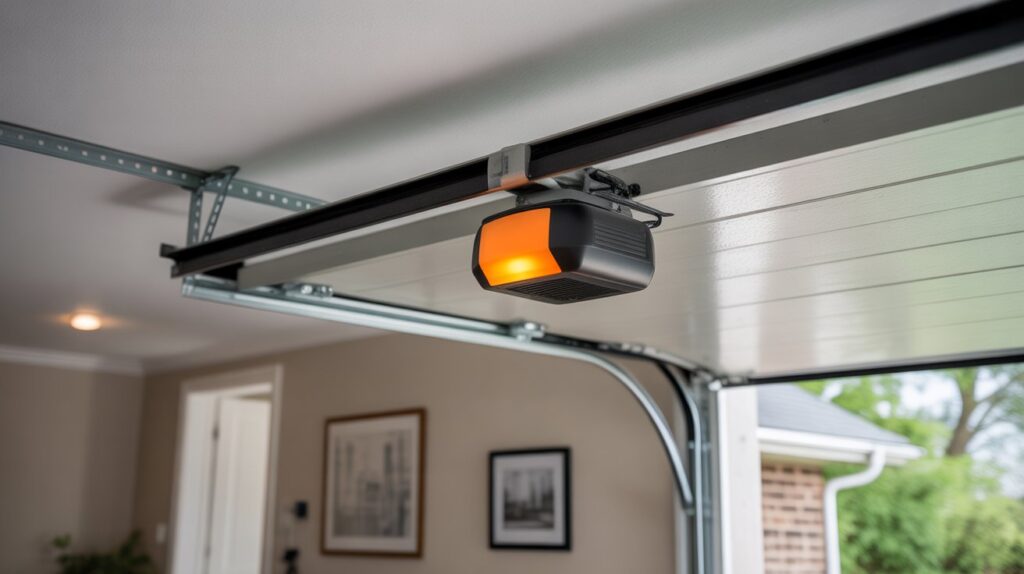
Step-by-Step Guide: Diagnosing and Fixing Summer Sensor Issues
Follow these steps to identify and resolve the most frequent summer sensor malfunctions:
1. Inspect for Direct Sunlight Interference
Sunlight shining directly onto the sensor’s receiver can mimic the infrared beam, causing the system to think the path is blocked. To test for this:
- Observe if the problem occurs only during certain times of day when sunlight hits the sensor.
- Temporarily shade the sensor with your hand or a piece of cardboard. If the door works while shaded, sunlight is the culprit.
- Consider installing a sun shield or repositioning the sensor slightly to minimize direct exposure.
For more on dealing with sensor movement caused by temperature changes, see how to fix garage door sensor from shifting due to temperature.
2. Check Sensor Alignment and Mounting
Heat can cause metal brackets to expand or plastic mounts to warp, leading to misalignment. To correct this:
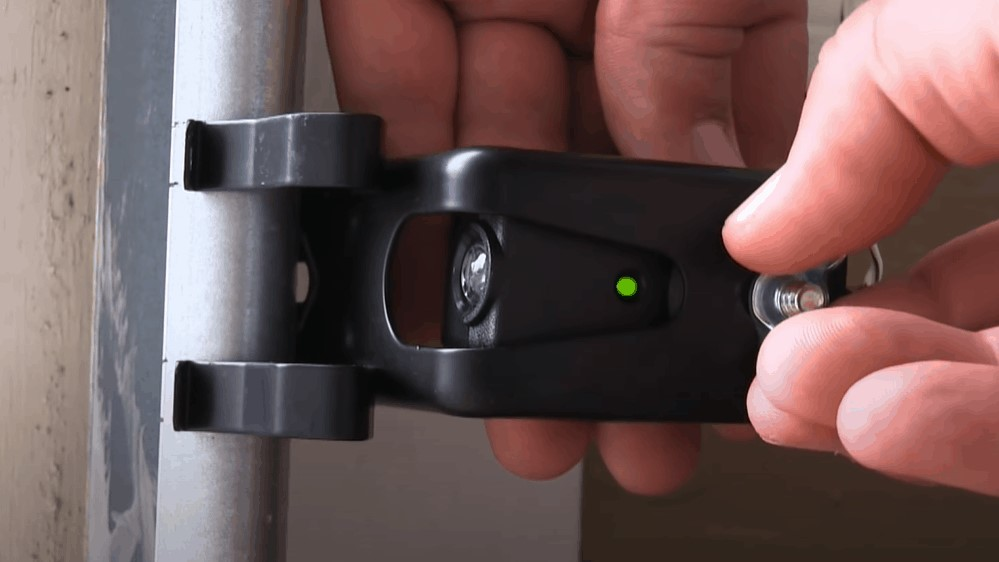
- Visually inspect both sensors. The indicator lights should be steady (not blinking).
- Gently adjust the sensors until both lights remain solid when the path is clear.
- Tighten mounting screws, but avoid overtightening which could cause further warping.
If you suspect your mounting hardware is the issue, you may find how to fix garage door sensor mounting on metal studs helpful.
3. Clean Lenses and Remove Debris
Summer brings dust, pollen, and insects that can obscure sensor lenses. Use a soft, dry cloth to gently wipe both sensors. Avoid using water or harsh chemicals, as these can damage sensitive electronics.
4. Address Electrical and Wiring Concerns
High temperatures can cause wires to expand, leading to loose connections. Inspect the wiring for any signs of wear, corrosion, or looseness. Ensure all connections are secure and free from moisture.
5. Evaluate Sensor Lights and Error Codes
Most garage door openers use indicator lights to signal sensor status. A blinking or off light often means misalignment or obstruction. For a detailed explanation of what different blinking patterns mean, consult this guide to garage door sensor blinking lights.
Preventative Measures for Reliable Summer Operation
Once you’ve resolved immediate issues, consider these steps to keep your sensors working through the hottest months:
- Install sun shields or small awnings above sensors to block direct sunlight.
- Regularly clean lenses and check for debris buildup.
- Inspect and tighten mounting hardware at the start of each season.
- Use weather-resistant brackets or covers if your garage is exposed to extreme conditions.
- Check sensor lights periodically; if you notice them flickering, address alignment or obstructions promptly.
If you encounter persistent problems such as the sensor light turning off and on, you may want to review why is my garage door sensor light turning off and on for further troubleshooting.
When to Call a Professional
While most sensor issues can be resolved with basic tools and a careful approach, some situations require expert attention:
- Repeated sensor failures after troubleshooting steps.
- Visible damage to sensor units or wiring.
- Complex electrical issues or opener malfunctions.
Professional technicians can diagnose deeper problems, replace faulty sensors, and ensure your system meets all safety standards.
FAQ: Summer Garage Door Sensor Troubleshooting
Why does my garage door only act up on hot, sunny days?
Direct sunlight can interfere with the infrared beam between sensors, causing false readings. Heat can also cause mounting brackets to expand or shift, leading to misalignment. Both factors are common in summer and can disrupt normal operation.
How can I tell if my sensors are misaligned or just dirty?
Misaligned sensors often have blinking indicator lights, while dirty lenses may cause the light to be dim or off. Clean the lenses first; if the problem persists and the lights continue to blink, realign the sensors until the lights are steady.
What should I do if cleaning and realigning don’t fix the issue?
If basic maintenance doesn’t resolve the problem, check for loose wiring or sun interference. If you still can’t restore normal function, it may be time to replace the sensors or consult a professional for further diagnosis.
Are there any long-term solutions for sun interference?
Installing a sun shield or small awning above the sensors can block direct sunlight. Some homeowners use opaque tape or a custom cover to shade the receiver, but ensure it doesn’t obstruct the beam. Regularly check alignment and clean the lenses for best results.
Additional Resources
For more detailed fixes, such as handling minor misalignments, see how to fix garage door sensor that is misaligned by a fraction. If you suspect bracket damage, how to fix garage door sensor bracket bending provides step-by-step repair advice.
By following these practical steps and staying proactive with maintenance, you can minimize the impact of summer heat on your garage door sensors and enjoy reliable, safe operation year-round.