If you’ve noticed your garage door sensor light flickering, turning off and on unexpectedly, or behaving inconsistently, you’re not alone. This issue is common among homeowners with automatic garage doors. The sensor lights are a critical safety feature, designed to prevent the door from closing on objects, pets, or people. When the lights start acting up, it can signal a range of potential problems—from simple obstructions to wiring faults or misalignment.
Understanding the causes behind this behavior can help you troubleshoot and resolve the issue efficiently. In this guide, we’ll explore the most frequent reasons for a garage door sensor light blinking or cycling, practical steps to diagnose the problem, and when it’s time to call in a professional. If you’re dealing with related issues, such as how to fix a garage door sensor that keeps losing signal, you’ll find helpful resources linked throughout this article.
Common Causes of Garage Door Sensor Light Flickering
Several factors can cause the sensor light on your garage door to turn off and on. Identifying the root cause is the first step toward a solution. Here are the most frequent culprits:
- Obstructions or Dirt: Dust, spider webs, or small objects blocking the sensor’s path can cause the light to blink or turn off intermittently.
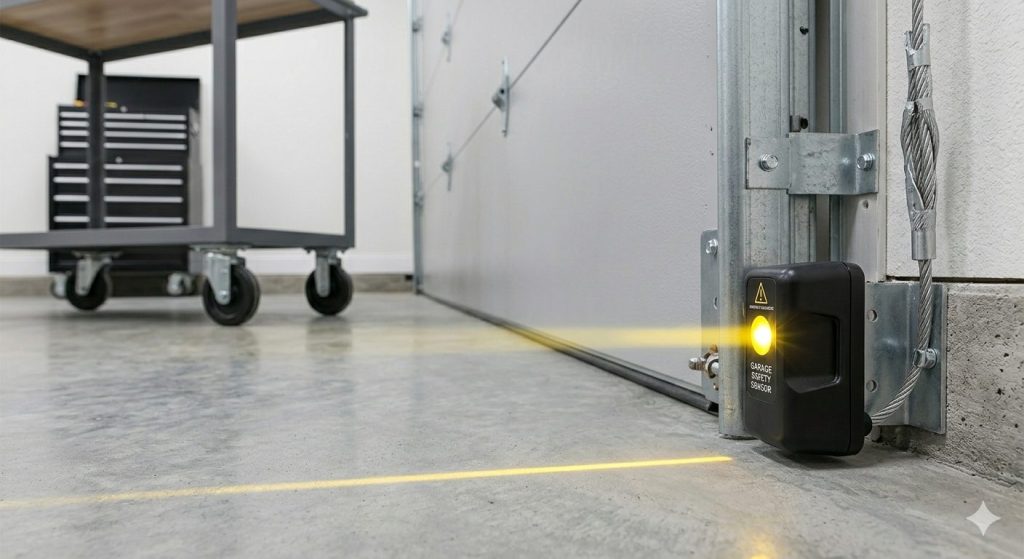
- Sensor Misalignment: If the sensors are not facing each other directly, the beam can be disrupted, resulting in the light cycling on and off.
- Loose or Damaged Wiring: Vibrations, weather, or accidental bumps can loosen connections or damage wires, leading to inconsistent power and light behavior.
- Sunlight Interference: Direct sunlight hitting the sensor can interfere with the infrared beam, causing the light to flicker or shut off temporarily.
- Faulty Sensors: Over time, sensors can wear out or fail, especially if exposed to harsh conditions.
For more detailed troubleshooting steps, you can refer to this comprehensive troubleshooting guide for garage door sensors.
How to Diagnose the Sensor Light Issue
Before replacing any parts, it’s wise to perform a systematic check. Here’s a step-by-step approach to help you pinpoint the problem:
- Inspect for Obstructions: Check both sensors for any debris, cobwebs, or objects blocking the beam. Clean the lenses gently with a soft cloth.
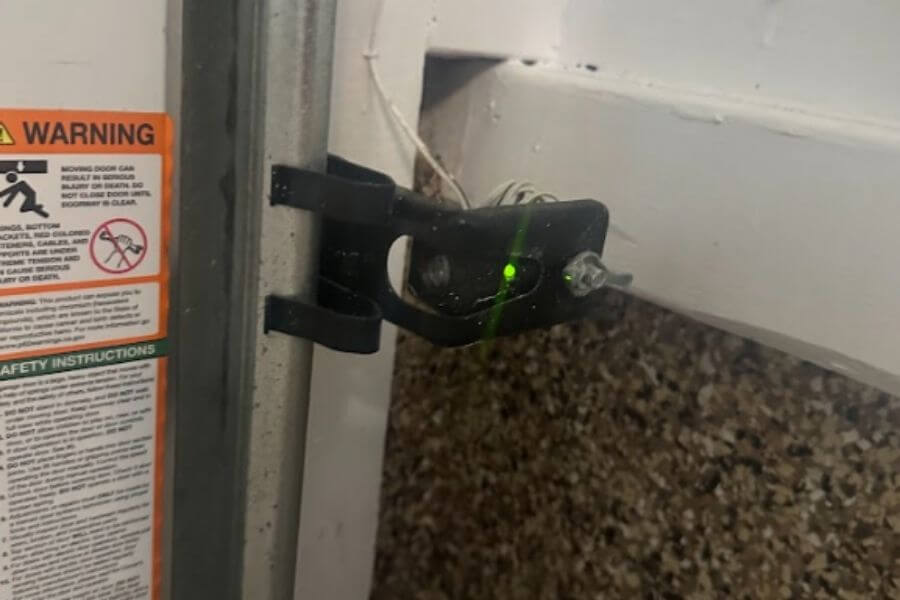
- Check Sensor Alignment: Both sensors should face each other directly, with their indicator lights steady. If one or both lights are blinking, adjust the sensors until the lights remain solid.
- Examine Wiring Connections: Look for loose, frayed, or disconnected wires at the sensor units and the opener. Secure any loose connections and repair or replace damaged wires as needed. If you’re dealing with mounting issues, see this guide on how to fix garage door sensor mounting on metal studs.
- Test for Sunlight Interference: If the issue occurs only during certain times of day, sunlight may be disrupting the sensor. Try shading the sensor or adjusting its angle slightly.
- Swap Sensors (if possible): Some systems allow you to swap the sensors from one side to the other. If the problem follows the sensor, it may be faulty and require replacement.
Sensor Alignment and Environmental Factors
Proper alignment is crucial for sensor function. Even a slight misalignment can cause the light to blink or turn off. Temperature changes, vibrations from the door, or accidental bumps can knock sensors out of place. If you suspect temperature is a factor, learn more about how to fix garage door sensor shifting due to temperature.
Environmental factors such as direct sunlight, moisture, or pests can also impact sensor performance. Ensure the area around your sensors is clean and dry, and consider installing shields or covers if sunlight is a recurring issue.
Wiring Issues and Electrical Problems
Faulty or loose wiring is a frequent cause of sensor light cycling. Inspect the wires for any visible damage, corrosion, or loose connections. If you find exposed or frayed wires, it’s important to repair them promptly to avoid further issues. For a step-by-step approach, check out this resource on how to fix garage door sensor wiring using electrical tape.
Electrical surges or moisture can also impact the circuitry, causing intermittent power loss. If you suspect a deeper electrical issue, it may be best to consult a professional technician.
When to Replace Your Garage Door Sensors
If you’ve cleaned, realigned, and checked the wiring but the sensor light still turns off and on, the sensors themselves may be failing. Over time, exposure to the elements or simple wear and tear can degrade sensor performance. Replacement is usually straightforward and can restore reliable operation. Always choose sensors compatible with your garage door opener model for best results.
Before replacing, double-check the manufacturer’s troubleshooting guide and warranty information. In some cases, a faulty sensor may be covered under warranty.
Preventive Maintenance Tips
To avoid future issues with your garage door safety sensors, consider these maintenance tips:
- Clean sensor lenses regularly to remove dust and debris.
- Check alignment after storms, temperature swings, or accidental bumps.
- Inspect wiring annually for signs of wear or damage.
- Trim plants and remove clutter near the sensors to prevent obstructions.
- Test the door’s safety reversal feature monthly to ensure sensors are working correctly.
For situations where the sensors are only slightly out of alignment, see this guide on how to fix a garage door sensor misaligned by a fraction.
Frequently Asked Questions
What does it mean if my garage door sensor light is blinking?
A blinking sensor light typically indicates a problem with alignment or an obstruction in the sensor’s path. It can also signal wiring issues or a failing sensor. Start by cleaning the lenses and checking that both sensors are facing each other directly.
Can I fix a flickering garage door sensor light myself?
Many sensor issues can be resolved with basic troubleshooting, such as cleaning, realigning, or securing loose wires. However, if the problem persists after these steps, or if you notice damaged components, it may be best to consult a professional for repair or replacement.
How often should I check my garage door sensors?
It’s a good idea to inspect your sensors at least once every few months, and after any event that might affect their position or wiring, such as storms or accidental bumps. Regular maintenance helps prevent unexpected malfunctions and ensures your garage door operates safely.