Garage door sensors are crucial for safe and reliable operation, but many homeowners experience problems when temperature changes cause these sensors to shift out of alignment. Fluctuating temperatures can expand or contract mounting brackets and hardware, leading to misalignment and frequent malfunctions. Understanding how to fix garage door sensor from shifting due to temperature is essential for anyone wanting to maintain a smoothly functioning garage door year-round.
This guide will walk you through the causes of sensor shifting, practical steps to prevent it, and solutions for realigning sensors when temperature swings cause trouble. We’ll also highlight common mistakes and provide resources for further troubleshooting. If you’re dealing with related issues, such as how to fix garage door sensor mounting on metal studs, check out our detailed guides for more targeted solutions.
Why Do Garage Door Sensors Shift When Temperatures Change?
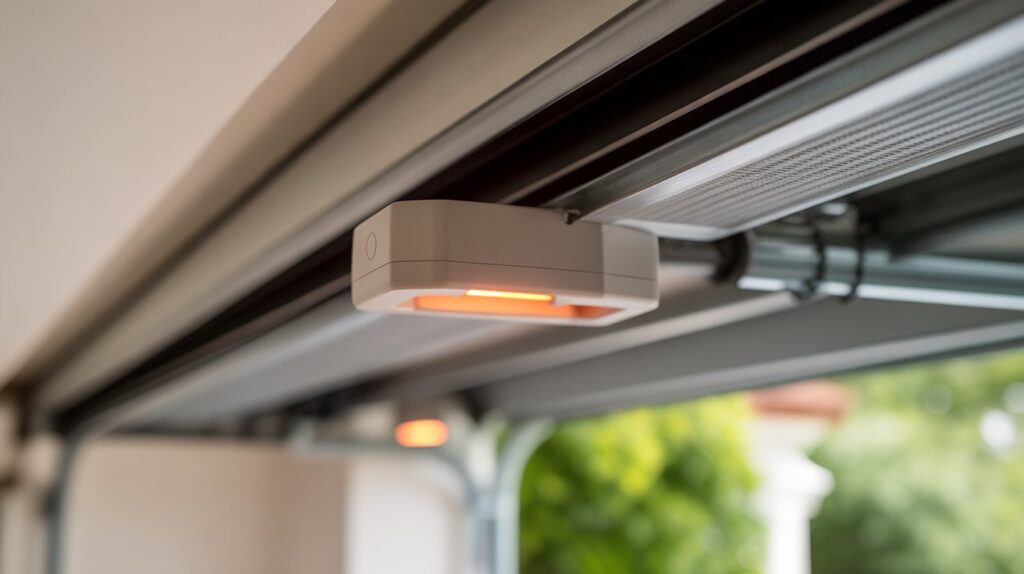
Garage door sensors are typically mounted a few inches above the ground on either side of the door. These sensors rely on precise alignment to function correctly. When temperatures rise or fall, the metal brackets, plastic housings, and even the garage door frame itself can expand or contract. This movement, though small, is often enough to knock sensors out of alignment, causing the door to reverse unexpectedly or refuse to close.
- Thermal Expansion and Contraction: Metal and plastic parts expand in heat and contract in cold, loosening or tightening the sensor mounts.
- Humidity and Moisture: Seasonal changes in humidity can warp wooden mounting surfaces or cause corrosion, further contributing to shifting.
- Vibration and Settling: Daily use of the door, combined with temperature fluctuations, can gradually loosen screws and brackets.
Recognizing these factors is the first step in learning how to fix garage door sensor from shifting due to temperature and preventing future issues.
Signs Your Garage Door Sensor Is Misaligned Due to Temperature
Before you start adjusting anything, it’s important to confirm that temperature changes are the cause of your sensor problems. Here are some common signs:
- The garage door reverses immediately after touching the floor.
- The sensor indicator lights blink or turn off unexpectedly.
- The door won’t close, and the opener light flashes.
- Manual realignment temporarily solves the problem, but it returns with weather changes.
If these symptoms appear during seasonal transitions or after a cold snap or heatwave, temperature-related shifting is likely the culprit.
Step-by-Step Guide to Preventing Sensor Shifting
To address how to fix garage door sensor from shifting due to temperature, follow these practical steps:
-
Tighten All Mounting Hardware
Use a screwdriver or socket wrench to ensure all screws and bolts securing the sensor brackets are snug. Avoid overtightening, which can crack plastic parts.
-
Add Lock Washers or Threadlocker
Install lock washers or apply a small amount of threadlocker to the mounting screws. This helps prevent loosening caused by thermal cycling and vibration.
-
Use Adjustable Brackets
If your current brackets are fixed, consider upgrading to adjustable ones. These allow for easier realignment and can better accommodate material expansion and contraction.
-
Install Weather-Resistant Mounts
Choose brackets made from materials less susceptible to temperature changes, such as reinforced plastic or stainless steel.
-
Check for Warped Surfaces
If sensors are mounted on wood, inspect for warping or swelling. Replace or reinforce the mounting surface if needed.
-
Realign Sensors After Extreme Weather
After a significant temperature swing, check the sensor alignment. Adjust as necessary to ensure the indicator lights are steady and the door operates smoothly.
For more detailed troubleshooting, you can refer to this comprehensive guide on troubleshooting garage door sensors.
How to Realign Sensors Correctly
Proper alignment is essential for reliable operation. Here’s how to do it:
- Loosen the sensor mounting screws just enough to allow movement.
- Adjust each sensor so they face each other directly and are at the same height.
- Watch the indicator lights—when both are steady (not blinking), the alignment is correct.
- Carefully tighten the screws while holding the sensors in place.
- Test the door to confirm smooth operation.
If you continue to have trouble, you may want to review our advice on how to fix a garage door sensor that keeps losing signal for more advanced solutions.
Common Mistakes to Avoid When Fixing Sensor Shifting
When working on garage door sensors, avoid these pitfalls:
- Overtightening Screws: This can crack plastic brackets, making them more vulnerable to temperature changes.
- Ignoring the Mounting Surface: Failing to address warped or deteriorated wood or metal can lead to recurring misalignment.
- Using Incompatible Hardware: Not all brackets are designed for all sensor models. Use manufacturer-recommended parts for best results.
- Neglecting Regular Checks: Make it a habit to inspect sensor alignment after major weather changes.
For those dealing with wiring issues, see our step-by-step guide on how to fix garage door sensor wiring using electrical tape for safe and effective repairs.
Additional Tips for Reliable Garage Door Sensor Performance
- Keep sensors clean and free of dust, cobwebs, or debris.
- Protect sensors from direct sunlight, which can interfere with operation—see our article on how to fix garage door sensor issues when the sun is low for more tips.
- Consider upgrading to sensors with built-in temperature compensation if your area experiences extreme seasonal swings.
- Test your garage door safety features monthly to ensure everything is working as it should.
For those with specific brands, such as Raynor, see our resource on how to troubleshoot Raynor garage door sensors for model-specific advice.
FAQ
Can I prevent my garage door sensors from shifting without replacing hardware?
Yes, in many cases you can prevent shifting by tightening screws, adding lock washers, and regularly checking alignment. However, if the mounting brackets or surfaces are damaged or poorly designed, upgrading hardware may be necessary for a long-term fix.
How often should I check my garage door sensor alignment?
It’s a good idea to check alignment at the start of each season, after any significant temperature swings, or whenever you notice the door behaving erratically. Regular checks help catch small shifts before they become bigger problems.
What should I do if my sensors keep shifting even after tightening and realigning?
If sensors continue to move out of place, consider replacing the mounting brackets with higher-quality, weather-resistant options. You may also need to reinforce or replace warped mounting surfaces. Persistent issues could indicate a need for professional service.
Are there sensors designed to withstand temperature changes?
Some modern garage door sensors are built with materials and features that minimize the effects of temperature fluctuations. Look for models with reinforced housings and temperature compensation technology for improved reliability.