In today’s world, the emphasis on sustainability and reducing our carbon footprint is more significant than ever. As homeowners, we are constantly seeking ways to contribute positively to the environment while also enhancing our living spaces. One of the often-overlooked aspects of a home that can make a substantial difference is the garage door. Specifically, insulated garage doors can be a game-changer in reducing your home’s carbon footprint. This article will delve into the benefits, functionality, and environmental impact of insulated garage doors.

What Are Insulated Garage Doors?
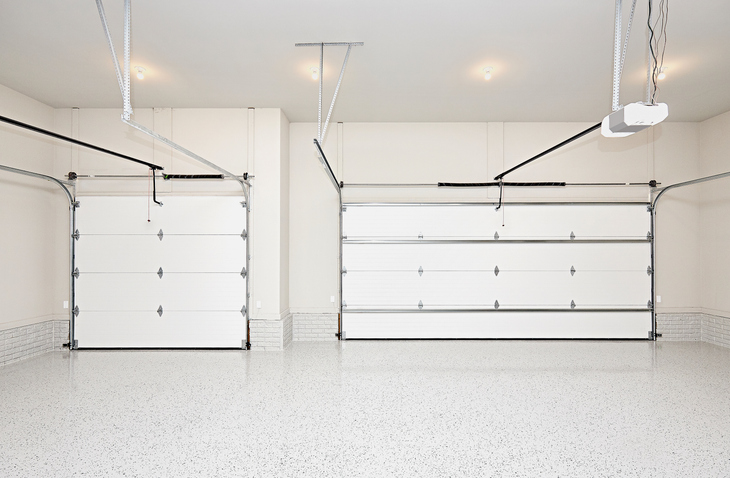
Insulated garage doors are designed to provide better temperature regulation within the garage space compared to non-insulated options. They typically consist of layers of steel or aluminum with a core of insulation material such as polystyrene or polyurethane. This construction helps in maintaining a stable temperature inside the garage, which can be particularly beneficial if your garage is attached to your home.
How Do Insulated Garage Doors Reduce Carbon Footprint?
The primary way insulated garage doors help in reducing your home’s carbon footprint is through energy efficiency. By maintaining a consistent temperature, they reduce the need for additional heating or cooling, thus lowering energy consumption. This not only translates to reduced utility bills but also reduces the overall demand on energy resources.
Energy Efficiency Benefits
According to the U.S. Department of Energy, garages that are attached to homes can account for a significant amount of heat loss if not properly insulated. By installing an insulated garage door, homeowners can significantly reduce this heat loss, making their homes more energy-efficient. Learn more about the benefits of garage door insulation for attached garages.
Impact on Home Value
Not only do insulated garage doors contribute to energy efficiency, but they also enhance the overall value of your home. A well-insulated garage can be a selling point for potential buyers who are looking for energy-efficient homes. For more insights, check out how insulated garage doors increase home value.
Types of Insulation Materials
Polystyrene Insulation
Polystyrene is a common insulation material used in garage doors. It is similar to the material used in foam cups and coolers. Polystyrene-insulated doors are typically made with a core of rigid polystyrene sandwiched between two layers of steel or aluminum. This material provides good insulation and is cost-effective. Learn more about polystyrene insulated garage doors.
Polyurethane Insulation
Polyurethane offers superior insulation compared to polystyrene. It is a foam that is injected into the door panels and expands to fill the entire space. This type of insulation provides a higher R-value, which is a measure of thermal resistance. As a result, polyurethane-insulated doors offer better energy efficiency.
Environmental Benefits of Insulated Garage Doors
Beyond energy efficiency, insulated garage doors offer other environmental benefits. They contribute to noise reduction, making your home quieter. Additionally, the materials used in high-quality insulated doors are often recyclable, contributing to a more sustainable lifecycle.
Noise Reduction
Insulated garage doors can significantly reduce noise pollution. This is beneficial if you live in a noisy neighborhood or if your garage is used as a workspace or recreational area. The insulation acts as a sound barrier, providing a quieter and more peaceful environment.
Recyclable Materials
Many insulated garage doors are made with materials that are recyclable. This means that when the door reaches the end of its life, the materials can be reused, reducing waste and promoting sustainability.
Maintenance of Insulated Garage Doors
Proper maintenance of your garage door is essential to ensure its longevity and continued energy efficiency. Regular cleaning and inspection can help prevent issues that may compromise the insulation properties of the door. For tips on maintaining your garage door, read about cleaning insulated garage doors.
Regular Inspection
Ensure that your garage door is inspected regularly for any signs of wear and tear. This includes checking the seals around the door, the condition of the insulation material, and the operation of the door mechanism.
Cleaning Tips
Keep your garage door clean to prevent the buildup of dirt and debris that can affect its operation. Use mild soap and water for cleaning, and avoid harsh chemicals that can damage the door’s finish.
Garage Door Insulation Kits
If you have a non-insulated garage door, consider using a garage door insulation kit. These kits are readily available and can be a cost-effective way to improve your door’s insulation properties. For more information, explore garage door insulation kits.
These kits usually include insulation panels or rolls, as well as everything you need for installation. They are designed to fit most standard garage doors and can be installed by homeowners with basic DIY skills.
Conclusion
In summary, insulated garage doors offer numerous benefits that extend beyond just energy efficiency. They contribute to reducing your home’s carbon footprint, enhance home value, and offer environmental benefits such as noise reduction and the use of recyclable materials. By choosing an insulated garage door, you are making a sustainable choice that benefits both your home and the planet.
For further reading on the benefits of insulated garage doors, consider visiting this external resource.

FAQs
What is the lifespan of an insulated garage door?
Insulated garage doors typically last between 15 to 20 years, depending on the quality of the materials and the level of maintenance. Regular cleaning and inspections can extend the life of your garage door.
How much can I save on energy bills with an insulated garage door?
The savings on energy bills can vary based on factors such as climate, the size of the garage, and the insulation level. However, homeowners can expect to see a reduction in heating and cooling costs by installing an insulated garage door.
Are all insulated garage doors the same?
No, insulated garage doors differ in terms of insulation materials, R-value, and construction quality. It is essential to choose a door that meets your specific needs and climate conditions for optimal performance.
This article contains affiliate links. We may earn a commission at no extra cost to you.