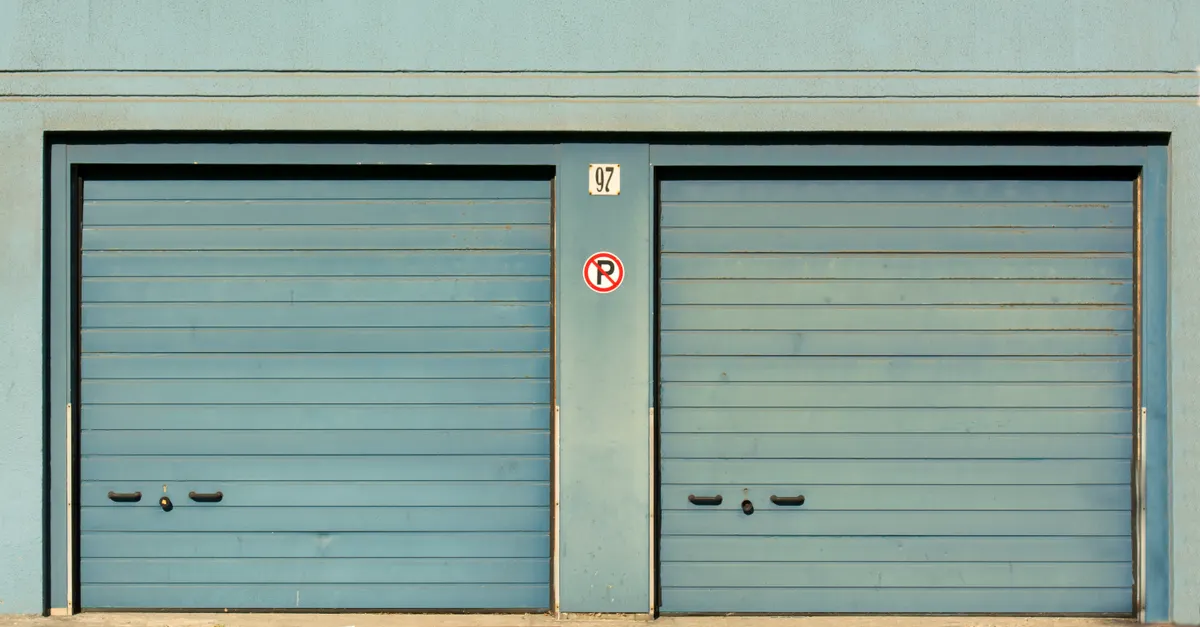
As the winter months approach, ensuring that your home is well-prepared to withstand the harsh conditions is crucial. One area often overlooked is your garage door, which plays a significant role in maintaining your home’s energy efficiency and security. In this article, we will explore tips to winterize your garage door effectively. Learning how to winterize your garage door will not only help prevent costly repairs but also improve its longevity.
Our focus on tips to winterize your garage door will guide you through various steps, from inspecting the door’s weatherstripping to making sure the door functions smoothly during the cold months.

Inspect and Replace Weatherstripping
One of the first steps is to check the weatherstripping around your garage door. Weatherstripping is essential for keeping out cold air and moisture. Damaged or worn-out weatherstripping can lead to drafts and energy loss. To inspect it, look for cracks or gaps where air can seep through. If necessary, replace it with new weatherstripping for better insulation.
For more insights on garage door maintenance, check out DIY maintenance tips.
Lubricate Moving Parts
Cold weather can cause the parts of your garage door to freeze or become less efficient. Regular lubrication of the hinges, rollers, and tracks will ensure smooth operation. Use a silicone-based lubricant designed for garage doors, as it will not gum up in colder temperatures.
Test the Garage Door Balance
A well-balanced garage door is essential for performance and longevity. To check the balance, disconnect the opener and manually lift the door halfway. If it stays in place, the balance is correct. If it moves, it might be time to adjust the balance or call a professional. Understanding balance could be easier after reading this guide.
Monitor Your Door’s Opener
The door opener is a key component of your setup. Test it to ensure it runs smoothly without unusual noises. Faulty openers can lead to strain and damage during winter. If necessary, consult your manual or a professional for troubleshooting.
Seal Garage Door Cracks and Gaps
Inspect your entire garage door for cracks and gaps that might let in cold air. Sealing these with caulk or other appropriate sealants will improve insulation. Consider upgrading to an insulated garage door for increased efficiency. Learn more about insulated doors.
Check the Bottom Seal
The rubber seal at the bottom of your garage door often takes a beating during winter. Inspect it for signs of wear and replace it if needed. A fresh bottom seal helps keep cold air, water, and pests out of your garage.
Perform Regular Visual Inspections
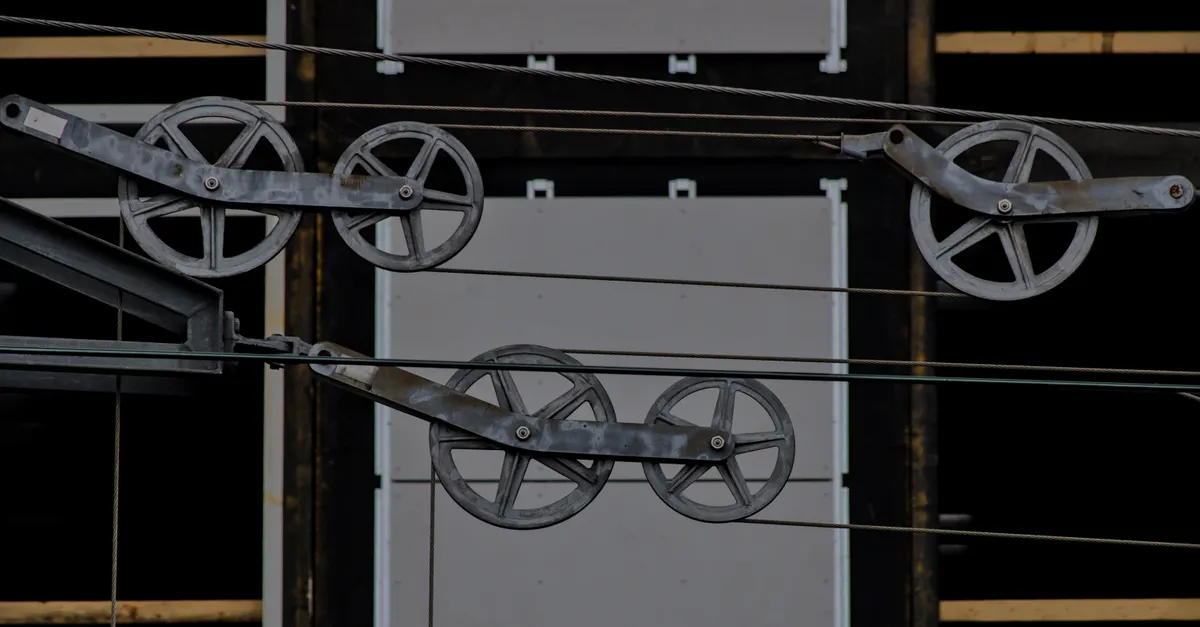
Regularly inspect all parts of your garage door, including cables, springs, and fasteners. Look for signs of damage, rust, or wear. Address any issues immediately to ensure your garage door operates efficiently throughout winter. Read here on types of springs.
Install a Garage Door Insulation Kit
If your door isn’t insulated, consider installing an insulation kit. These kits are usually easy to install and can significantly improve energy efficiency, making it easier to maintain warmer temperatures inside the garage.
Utilize Garage Heaters
For extra warmth, especially in colder climates, consider using a garage heater. Maintaining a warmer garage can reduce the chance of your garage door components freezing or malfunctioning.
Secure Your Garage
Security tends to be lax as homeowners focus on other winterization efforts. Ensure your garage door’s locking system is solid. If concerned, explore these ways to secure it.
Consider Professional Maintenance
If you’re uncertain about winterizing your garage door on your own, consider hiring a professional. Professionals can give your door a thorough check and advise on any necessary repairs.

FAQ
1. Why is weatherstripping important for winter?
Weatherstripping is crucial because it prevents drafts and energy loss by sealing your garage door against cold air and moisture.
2. How often should I lubricate my garage door during winter?
It’s recommended to lubricate your garage door’s moving parts every few months or more frequently in extremely cold conditions to ensure smooth operation.
3. What should I do if my garage door opener is not working well?
If your opener is malfunctioning, first check the batteries and settings. If issues persist, consulting a manual or professional might be necessary.
For further external resources, visit Home Depot’s maintenance tips.
This article contains affiliate links. We may earn a commission at no extra cost to you.