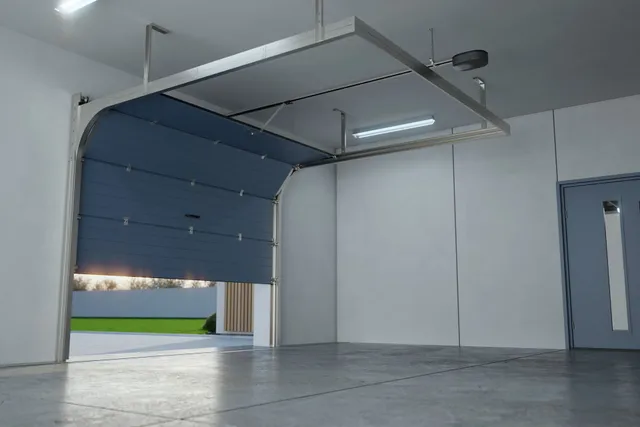
Power outages can disrupt many household systems, but few issues are as immediately frustrating as finding your garage door halfway after blackout conditions. Whether you’re trying to leave for work or secure your home, a stuck garage door is both inconvenient and potentially unsafe. Understanding why this happens and how to resolve it is essential for any homeowner.
In this guide, you’ll learn the most common causes for a garage door stopping midway after a power loss, step-by-step troubleshooting, and when to seek professional help. We’ll also cover how to safely reset your opener, check for mechanical problems, and prevent future issues. If you’re dealing with related sensor problems, our resource on how to fix garage door sensor mounting on metal studs may also be helpful.
Why Garage Doors Get Stuck Midway After Power Loss
When the electricity goes out, most automatic garage doors stop wherever they are in their cycle. If your door is left halfway open, it’s often due to the sudden interruption of power during movement. Once power is restored, the opener may not automatically reset, leaving the door in a partially open position.
Common reasons for this include:
- Interrupted opener cycle – The motor lost power mid-operation and didn’t complete its movement.
- Manual release engaged – Someone may have pulled the emergency release cord to open or close the door manually during the outage.
- Obstructions or mechanical issues – Debris, bent tracks, or broken springs can prevent the door from moving freely.
- Sensor misalignment – Power surges or outages can sometimes affect the alignment or calibration of safety sensors.
Initial Checks for a Garage Door Stuck After a Blackout
Before attempting any fixes, take these safety precautions:
- Ensure the power is fully restored and stable.
- Keep children and pets away from the garage door area.
- Do not force the door open or closed, as this can cause damage or injury.
Now, follow these steps to diagnose the issue:
- Check the opener’s power supply. Make sure the opener is plugged in and the circuit breaker hasn’t tripped.
- Inspect the emergency release cord. If it was pulled, the door may be disengaged from the opener. Re-engage it according to your manufacturer’s instructions.
- Look for obstructions. Clear away any debris or objects blocking the tracks or sensors.
- Test the door manually. With the opener disengaged, gently lift or lower the door to see if it moves smoothly. If not, there may be a mechanical problem.
If you notice the sensor lights are off or blinking, you may want to review our article on why is my garage door sensor indicator light missing for more troubleshooting tips.

How to Reset Your Garage Door Opener After a Power Outage
If your door remains stuck after checking the basics, you may need to reset the opener. Here’s a general process:
- Unplug the opener for 30 seconds to clear any errors, then plug it back in.
- Re-engage the trolley if the emergency release was used. Usually, this involves pulling the cord toward the door and running the opener until it clicks back in place.
- Test the remote and wall button to see if the opener responds. If not, you might need to reprogram the remote. For detailed steps, refer to this guide on programming a garage door opener.
- Check the travel limits and force settings. Power outages can sometimes reset these settings, causing the door to stop midway. Consult your opener’s manual to adjust as needed.
If the door still won’t move, there may be a deeper issue with the opener or the door’s mechanical components.
Mechanical Issues That Can Cause a Door to Stop Midway
Sometimes, the problem isn’t the opener but the door itself. Common mechanical reasons for a garage door to remain stuck include:
- Broken or weak springs – Torsion or extension springs help lift the door. If one breaks, the door may not move or could stop partway.
- Damaged rollers or tracks – Bent or misaligned tracks, or worn rollers, can impede smooth movement.
- Lack of lubrication – Dry or rusty moving parts can cause the door to jam. Regularly applying a garage door lubricant spray can prevent this.
- Loose cables or hardware – Inspect for frayed cables, loose bolts, or other visible issues.
Addressing these problems may require professional service, especially when dealing with springs or cables, which are under high tension.
For more on sensor-related issues, see our article on why is my garage door sensor light turning off and on.

Preventing Garage Door Problems After Power Outages
While not all outages can be predicted, you can reduce the risk of your door getting stuck by following these tips:
- Regular maintenance – Lubricate moving parts, check for wear, and tighten hardware every few months.
- Test the manual release – Practice using the emergency release so you’re prepared during an outage, but always re-engage it properly afterward.
- Install a backup battery – Many modern openers offer battery backups that allow operation during a power failure.
- Keep the area clear – Ensure nothing blocks the tracks or sensors, especially after storms or outages.
If you notice your door’s sensors are affected by temperature swings, see our guide on how to fix garage door sensor from shifting due to temperature.
When to Call a Professional
While many garage door issues after a blackout can be resolved with basic troubleshooting, some situations require expert attention:
- The door is off its tracks or visibly damaged.
- You suspect a broken spring or cable.
- The opener makes noise but the door doesn’t move.
- Repeated resets don’t restore normal operation.
Attempting to repair high-tension components without proper tools and experience can be dangerous. When in doubt, contact a qualified garage door technician.
Frequently Asked Questions
Why did my garage door stop halfway during a power outage?
Most automatic doors will halt wherever they are when power is lost. If the opener was running at the time, the door may remain stuck until power is restored and the opener cycle is reset.
How do I manually close or open my garage door after a blackout?
Pull the emergency release cord (usually a red handle) to disengage the opener. You can then lift or lower the door by hand. Be sure to re-engage the opener once power returns to restore automatic operation.
What should I do if my garage door opener won’t respond after power is restored?
First, check the power supply and circuit breaker. Try unplugging the opener for 30 seconds, then plug it back in. If the remote or wall button still doesn’t work, you may need to reprogram the opener or consult a professional.
Can a power outage damage my garage door opener?
While most openers are designed to handle power interruptions, repeated outages or surges can sometimes affect electronics or settings. Using a surge protector and maintaining your opener can help prevent damage.