Understanding how garage door cables manage tension is essential for anyone looking to maintain a smooth, safe, and reliable garage door system. Properly balanced cables ensure that the door opens and closes effortlessly, reduces strain on the opener, and minimizes the risk of sudden breakdowns. Whether you’re a homeowner or a property manager, knowing the essentials of cable tension can help you spot issues early and keep your garage door operating at its best.
In this guide, we’ll break down the fundamentals of garage door cable tension basics, how cable tension affects door balance, and what you can do to maintain optimal performance. If you’re new to these concepts, you might also find the garage door cable beginner guide helpful for a broader overview of cable systems.
Why Cable Tension Matters for Garage Door Balance
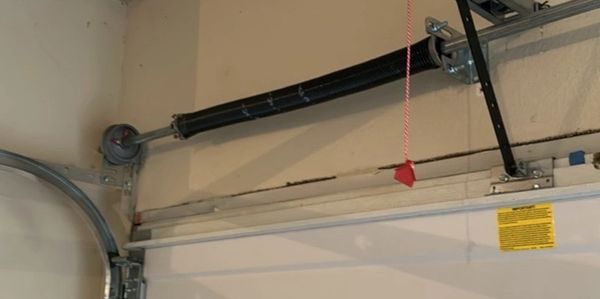
The cables in your garage door system play a critical role in counterbalancing the weight of the door. When tension is set correctly, the door can be lifted easily by hand or by an automatic opener. If the tension is too loose, the door may feel heavy, sag, or even get stuck. On the other hand, excessive tension can cause the door to spring upward unexpectedly or put undue stress on other components.
Maintaining the right balance is not just about convenience—it’s also about safety. A poorly balanced door can slip off its tracks or cause injury. For more insight into common issues and troubleshooting, check out this resource on garage door cable common problems.
Key Components Involved in Cable Tension
To understand garage door cable tension basics, it’s important to recognize the main parts involved:
- Cables: Heavy-duty wires that run along each side of the door, connecting it to the spring system.
- Springs: Either torsion or extension springs store energy and help lift the door. The cables transfer this energy.
- Pulleys and Drums: These guide the cables and help maintain even tension as the door moves.
- Brackets and Fasteners: Secure the cables and keep everything aligned.
Each of these components must be in good condition for the system to function properly. Worn or frayed cables, damaged pulleys, or misaligned brackets can all disrupt the balance.

How to Identify Proper Cable Tension
Checking the tension of your garage door cables is a straightforward process, but it requires attention to detail. Here’s what to look for:
- Door Balance Test: Disconnect the opener and lift the door halfway by hand. If it stays in place, the tension is likely correct. If it falls or shoots up, adjustments are needed.
- Cable Slack: The cables should be taut when the door is closed. Noticeable slack or sagging indicates insufficient tension.
- Uneven Movement: If the door tilts or moves unevenly, one cable may be tighter than the other.
- Noisy Operation: Squeaks, grinding, or popping sounds can signal misalignment or tension problems.
Regularly inspecting your cables can prevent unexpected failures and costly repairs. If you’re unsure about what you’re seeing, consider reading the garage door cable professional guide for more technical details.
Adjusting Cable Tension: Safety and Best Practices
Adjusting garage door cable tension is a task that should be approached with caution. The springs in these systems are under significant pressure and can cause injury if mishandled. Here are some best practices:
- Unplug the Opener: Always disconnect power before working on the door.
- Use Proper Tools: Specialized winding bars and locking pliers are essential for safe adjustments.
- Follow Manufacturer Instructions: Each door system may have unique requirements. Refer to the manual or manufacturer’s website.
- Adjust Evenly: Make small, equal adjustments to both sides to maintain balance.
- Test Frequently: After each adjustment, perform the balance test to check your progress.
- Know When to Call a Pro: If you’re unsure or uncomfortable, professional technicians have the experience and tools to handle the job safely.
For more on preventing future issues, the garage door cable prevention tips article offers practical advice on routine care.
Common Cable Tension Issues and Solutions
Even with regular maintenance, cable tension problems can arise. Here are some typical issues and how to address them:
- Frayed or Broken Cables: Replace immediately to avoid door failure. Use high-quality replacement parts.
- Cable Off the Drum: This can happen if the door hits an obstruction or if tension is lost. Re-seat the cable and check for damage.
- Uneven Door Movement: Adjust both cables to ensure they have equal tension. Inspect pulleys and drums for wear.
- Sticking or Jerky Operation: Lubricate moving parts and check for misalignment.
For a more detailed look at troubleshooting, you can reference the comprehensive garage door gable guide which covers related mechanical issues and solutions.
Tips for Maintaining Optimal Cable Tension
Consistent upkeep is the key to a long-lasting and reliable garage door system. Here are some maintenance tips:
- Inspect Cables Regularly: Look for signs of wear, rust, or fraying at least twice a year.
- Lubricate Moving Parts: Use a silicone-based lubricant on pulleys, drums, and hinges to reduce friction.
- Test Door Balance: Perform the manual lift test to ensure the door remains balanced.
- Keep Tracks Clean: Remove debris and dust to prevent cables from slipping off the drums.
- Schedule Professional Inspections: Annual checkups by a technician can catch problems early.
For those interested in maximizing performance, the garage door cable efficiency article provides tips for smoother, more effortless lifting.
Frequently Asked Questions
How do I know if my garage door cables need adjustment?
If your door feels unusually heavy, doesn’t stay in place when lifted halfway, or moves unevenly, the cables may need to be adjusted. Visible slack or fraying are also signs that maintenance is required.
Is it safe to adjust garage door cable tension myself?
While minor adjustments can sometimes be done by experienced DIYers, working with garage door springs and cables can be dangerous. If you’re not confident, it’s best to hire a professional to avoid injury.
What happens if cable tension is too tight or too loose?
Too much tension can cause the door to jerk upward or put stress on other parts, while too little tension can make the door difficult to lift or cause it to sag. Both situations can lead to premature wear or safety hazards.
How often should I check my garage door cables?
It’s a good idea to inspect cables at least twice a year, or whenever you notice changes in how your door operates. Regular checks help catch problems before they become serious.