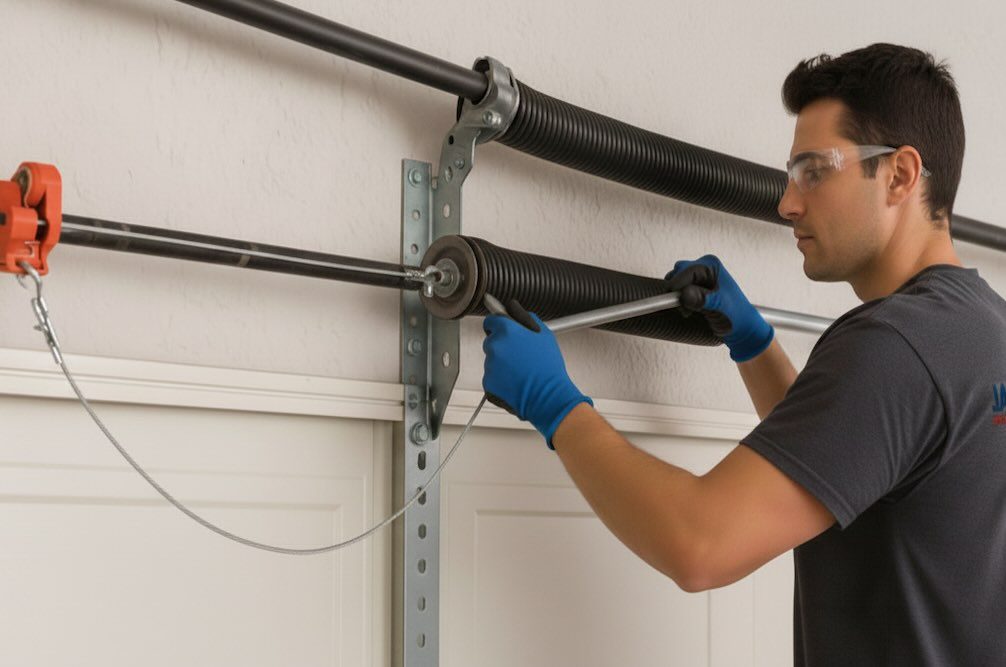
Properly adjusting the cables on a garage door is essential for smooth operation and safety. Over time, cables can loosen, fray, or slip out of alignment, leading to uneven movement, noisy operation, or even sudden failure. Knowing how to safely tension these cables helps prevent accidents and extends the life of your door system.
This guide explains the steps for garage door cable adjustment, highlights safety precautions, and outlines when to call a professional. Whether you’re a homeowner tackling routine maintenance or troubleshooting a specific issue, understanding cable tensioning is a valuable skill.
If you’re new to garage door maintenance, consider reading the garage door cable beginner guide for foundational knowledge before proceeding.
Why Proper Cable Tension Matters
Garage door cables are responsible for lifting and lowering the door evenly. If the tension is off, you may notice the door becomes crooked, struggles to open, or makes unusual noises. In severe cases, improper tension can cause cables to slip off the drum or even snap, posing a safety hazard.
Correctly tensioned cables ensure:
- Smooth, balanced door movement
- Even weight distribution on springs and pulleys
- Reduced wear on hardware and opener
- Minimized risk of sudden cable failure
For more on common issues, see this guide on garage door cable common problems and how to address them.
Types of Garage Door Cables
Not all cables are the same. The most common types include:
- Lifting cables (used with torsion spring systems)
- Extension spring cables (used with extension spring systems)
- Safety cables (run through extension springs for added protection)
- Retaining cables (help keep the door in place if a spring breaks)
To learn more about the differences and uses, check out this overview of garage door cable types.
Signs Your Garage Door Cables Need Adjustment
Before attempting any repairs, look for these indicators that your cables may need attention:
- The door is uneven when opening or closing
- Cables appear loose, slack, or frayed
- You hear scraping, grinding, or popping noises
- The door moves jerkily or gets stuck
- Cables have slipped off the drum or pulley
If you notice any of these symptoms, it’s time to inspect and possibly adjust the cables.

Essential Safety Precautions Before Adjusting Cables
Working with garage door cables and springs can be dangerous. Always follow these safety steps:
- Disconnect power to the garage door opener.
- Clamp the door in place using locking pliers or C-clamps on the tracks to prevent movement.
- Wear gloves and safety glasses to protect your hands and eyes.
- Never attempt to adjust torsion springs unless you are trained—these are under extreme tension and can cause serious injury.
- Have a helper if possible, especially for heavy doors.
If you’re unsure or uncomfortable, it’s best to contact a professional technician.
Step-by-Step Guide to Garage Door Cable Adjustment
Follow these instructions for safe and effective cable tensioning. These steps apply to most residential garage doors with extension or torsion spring systems.
- Close the garage door fully and unplug the opener.
- Secure the door with clamps on both tracks just above the bottom rollers.
- Inspect the cables for wear, fraying, or damage. Replace if necessary.
- For extension spring systems:
- Release tension by opening the spring safety cable if present.
- Loosen the cable clip or S-hook at the end of the cable.
- Adjust the cable length by moving the clip or hook to increase or decrease tension.
- Reattach and ensure the cable sits snugly but not overly tight.
- For torsion spring systems:
- Only adjust if you have experience—otherwise, call a professional.
- If proceeding, use winding bars to carefully adjust the spring tension, which in turn affects cable tension.
- Check that cables are properly seated on the drum and not overlapping.
- Remove clamps and test the door manually for smooth, balanced movement.
- Reconnect power and operate the opener to ensure correct function.
Always double-check that both sides are evenly tensioned to prevent future issues.
When to Replace Instead of Adjust
Adjustment is only effective if the cables are in good condition. If you notice any of the following, replacement is necessary:
- Visible fraying or broken strands
- Rust or corrosion on the cable or fittings
- Snapped or severely kinked cables
- Repeated slipping off the drum or pulley
Using damaged cables increases the risk of sudden failure. Replacement parts, such as pulley and cable kits or extension spring cables, are available for most door types.
Maintenance Tips to Prevent Cable Problems
Regular maintenance helps avoid costly repairs and keeps your garage door running smoothly. Here are some tips:
- Inspect cables monthly for signs of wear or slack
- Lubricate pulleys and moving parts with a silicone-based spray
- Keep the tracks clean and free of debris
- Test the door balance by disconnecting the opener and lifting manually
- Address minor issues promptly to prevent bigger problems
For more strategies, see these garage door cable prevention tips to help stop breakdowns before they start.
When to Call a Professional
While many homeowners can handle minor cable adjustments, some situations require expert help:
- Torsion spring adjustments (dangerous without proper tools and training)
- Major cable replacement or re-threading
- Persistent problems after adjustment
- Unusual noises or visible damage to springs and drums
Professional technicians have the experience and equipment to ensure safe, long-lasting repairs. If in doubt, don’t risk injury—contact a qualified service provider.
FAQ
How often should garage door cables be adjusted?
Most residential garage doors only need cable tension checked and adjusted once a year, or whenever you notice uneven movement or slack. Regular inspections help catch problems early.
Can I adjust garage door cables myself?
Homeowners can safely adjust cables on extension spring systems with basic tools and precautions. However, torsion spring systems are much more dangerous and should only be handled by professionals.
What are the risks of improper cable adjustment?
Incorrect tension can cause the door to become unbalanced, slip off the track, or even cause cables to snap. This can lead to property damage or personal injury. Always follow safety guidelines and seek help if unsure.
How do I know if my cables need replacing?
Replace cables if you see fraying, rust, broken strands, or if they have snapped. Regular visual inspection is the best way to catch these issues before they become hazardous.
For more detailed safety and maintenance advice, refer to the garage door cable homeowner guide for homeowners.