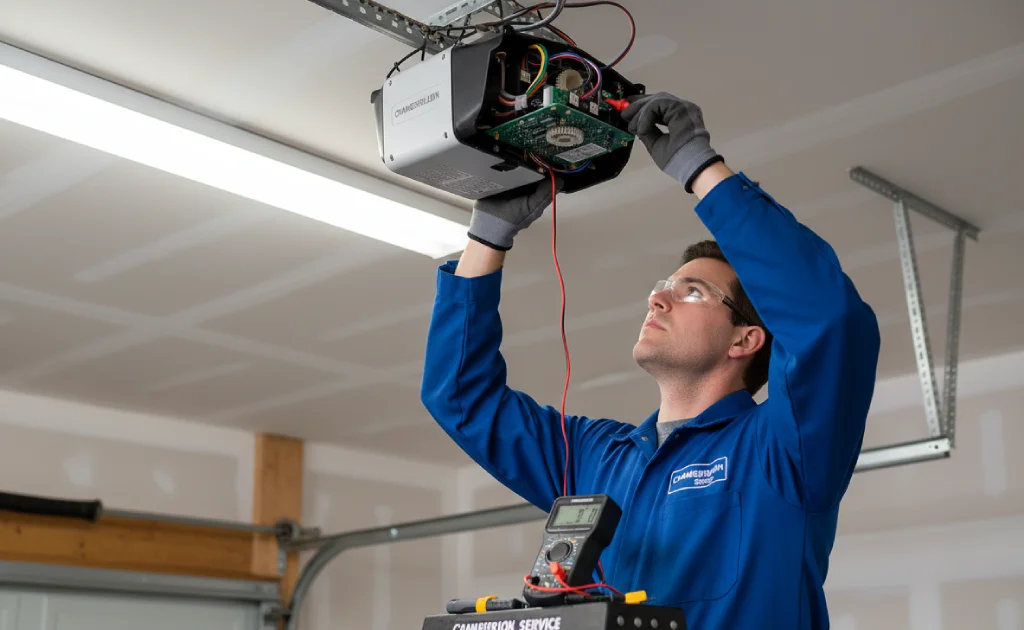
A snapped garage door cable can bring your daily routine to a halt, create a safety hazard, and lead to expensive repairs. Homeowners often overlook the importance of garage door cable prevention, but proactive care is essential for keeping your system running smoothly. This article covers practical steps to minimize the risk of cable failure, explains why maintenance matters, and highlights the warning signs you should never ignore.
If you’re new to garage door systems or want a refresher on the basics, the garage door cable beginner guide is a helpful resource. For those seeking actionable advice, read on for expert tips and proven strategies to extend the life of your cables and avoid unexpected breakdowns.
Why Garage Door Cables Fail
Cables are the backbone of your garage door’s lifting mechanism. They bear the weight of the door and work in tandem with springs and pulleys. Over time, several factors can lead to cable deterioration:
- Wear and Tear: Daily use causes gradual fraying and weakening of the metal strands.
- Rust and Corrosion: Exposure to moisture or chemicals accelerates cable breakdown.
- Poor Alignment: Misaligned tracks or pulleys put extra strain on cables.
- Lack of Maintenance: Neglecting regular inspections and lubrication increases the risk of sudden failure.
Understanding these causes is the first step in effective garage door cable prevention. Addressing them early can save you time, money, and frustration.
Essential Maintenance for Cable Longevity
Routine care is the foundation of cable durability. Here are the most effective ways to keep your cables in top shape:
- Visual Inspections: Check for fraying, rust, or kinks every few months. If you spot damage, replace the cable promptly.
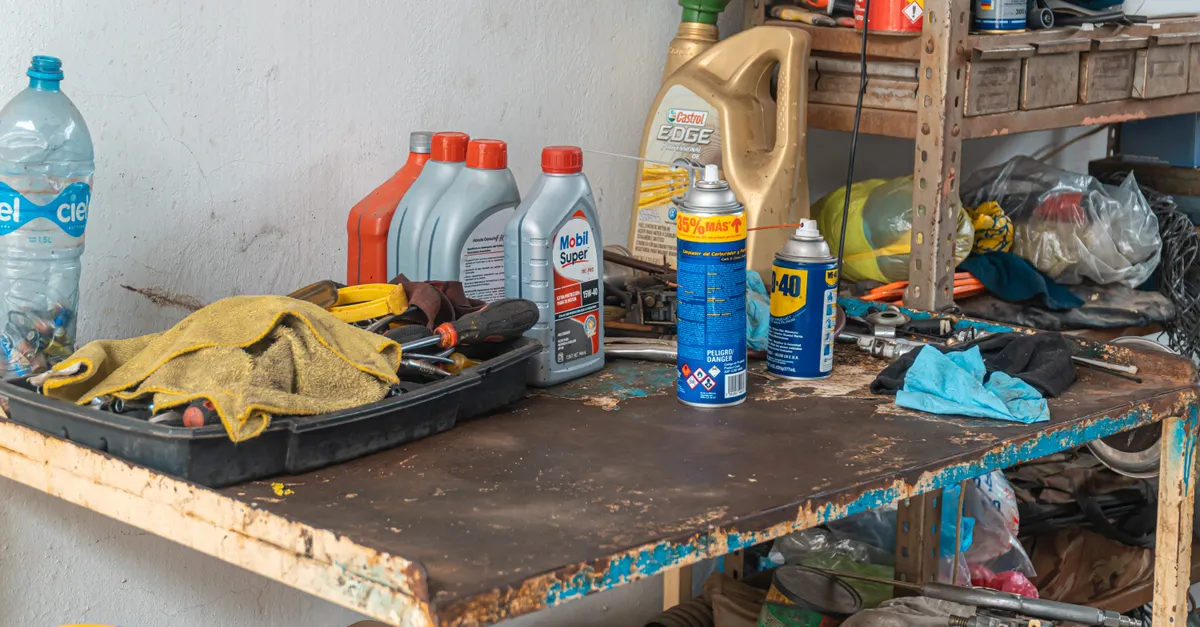
- Lubrication: Use a garage door lubricant on the cables, pulleys, and springs to reduce friction and prevent rust.
- Cleanliness: Keep the tracks and surrounding area free from debris that could snag or wear down the cables.
- Balance Testing: Test the door’s balance by disconnecting the opener and lifting the door halfway. If it doesn’t stay in place, the cables or springs may need adjustment.
For more detailed steps and additional advice, visit the garage door cable prevention tips page.
Warning Signs Your Cables Need Attention
Recognizing early symptoms of cable trouble is crucial for preventing garage door cable issues. Look out for:
- Visible Fraying: Strands sticking out or unraveling along the cable length.
- Rust Spots: Orange or brown discoloration, especially near the ends or pulleys.
- Uneven Door Movement: The door jerks, tilts, or moves slower than usual.
- Unusual Noises: Squeaking, grinding, or snapping sounds during operation.
If you notice any of these problems, stop using the door and schedule a professional inspection. For quick troubleshooting, the garage door cable common problems article provides step-by-step solutions.
How to Prevent Snapped Garage Door Cables
Preventing cable snaps requires a combination of regular care and smart upgrades. Here’s what you can do:
- Replace Old or Damaged Cables: Don’t wait for a complete break. Replace cables at the first sign of wear.
- Upgrade to Heavy-Duty Cables: Consider switching to thicker, galvanized cables for added strength and corrosion resistance.
- Install Safety Cables: For extension spring systems, safety cables prevent the door from falling if a spring or cable breaks.
- Maintain Proper Tension: Incorrect tension can cause cables to slip or snap. Adjustments should be performed by a trained technician.
- Schedule Annual Professional Inspections: A garage door specialist can spot hidden issues and perform preventative maintenance.
For a comprehensive overview of safety and maintenance, refer to the garage door cable homeowner guide.

Choosing Quality Parts for Reliable Performance
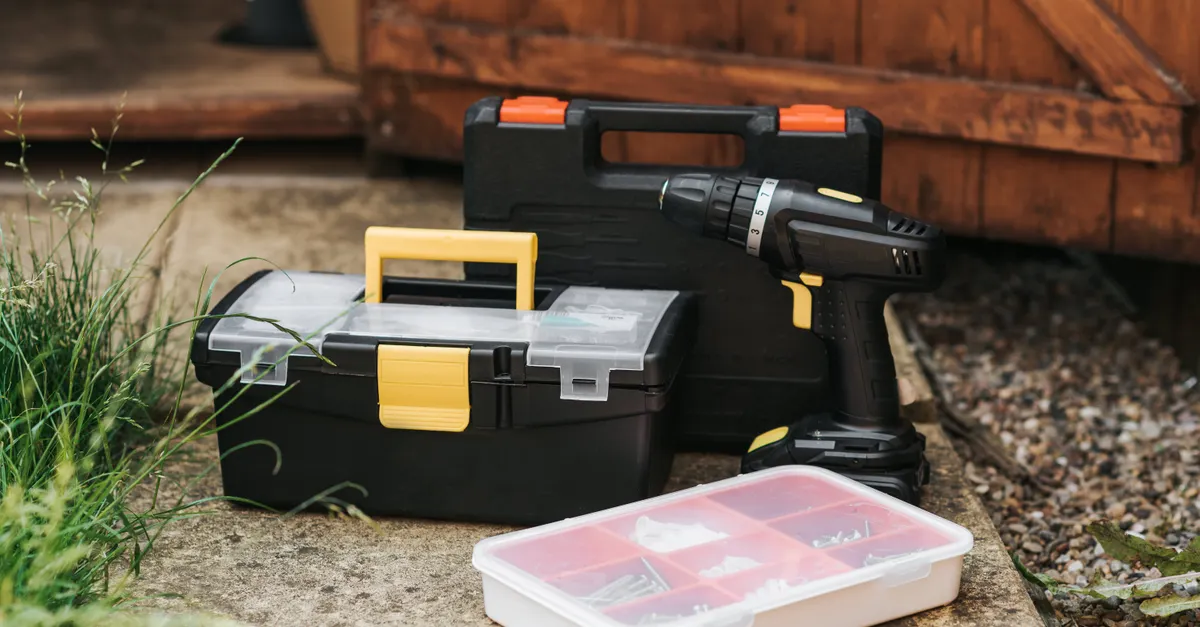
Not all cables and pulleys are created equal. Investing in high-quality, corrosion-resistant hardware makes a significant difference in long-term reliability. Look for products made from galvanized steel and rated for your door’s weight. If you’re replacing parts yourself, make sure to follow the manufacturer’s instructions and use the correct tools.
When in doubt, consult a professional or reference the garage door cable professional guide for technical specifications and installation tips.
Expert Advice and Additional Resources
For a deeper understanding of how cables work and why they fail, check out this comprehensive guide on garage door cables. Staying informed empowers you to make smarter maintenance decisions and avoid preventable issues.
If you want to go beyond the basics, explore more advanced garage door cable prevention strategies and troubleshooting techniques. Proactive care is the best way to ensure your garage door remains safe, reliable, and hassle-free for years to come.
Frequently Asked Questions
How often should I inspect my garage door cables?
It’s best to visually check your cables every three to six months. Look for signs of fraying, rust, or kinks. Annual professional inspections are also recommended for a thorough assessment.
Can I replace garage door cables myself?
While some experienced DIYers may attempt cable replacement, it’s a risky task due to the high tension involved. For most homeowners, hiring a professional is the safest option to avoid injury or further damage.
What are the most common causes of cable failure?
The leading causes include normal wear and tear, rust, poor alignment, and lack of maintenance. Addressing these factors with regular care and quality parts is key to preventing cable snaps.
Is it necessary to lubricate garage door cables?
Yes, applying a suitable lubricant helps reduce friction, prevent rust, and extend cable life. Be sure to use a product designed for garage doors and avoid over-lubricating, which can attract dirt.