Garage door cables play a crucial role in the safe and reliable operation of your garage door system. For homeowners, understanding how these cables work, recognizing signs of wear, and knowing when to perform maintenance or seek professional help can prevent accidents and costly repairs. This garage door cable homeowner guide covers essential safety tips, routine care, and troubleshooting advice to help you keep your door functioning smoothly for years to come.
Whether you’re dealing with a noisy door, visible cable fraying, or just want to extend the life of your garage system, being proactive is key. By learning the basics of cable maintenance and safety, you can avoid unexpected breakdowns and ensure your garage remains a secure entry point to your home.
For those interested in more technical details or advanced troubleshooting, you can explore the garage door cable professional guide for in-depth tips and specifications.
Understanding Garage Door Cables and Their Importance
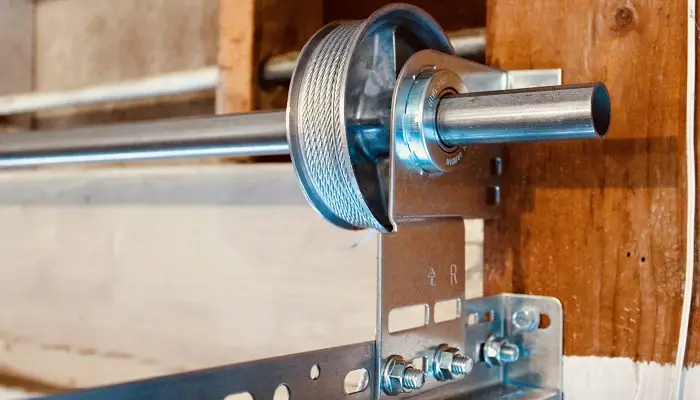
Garage door cables are heavy-duty wires that work in tandem with the springs to lift and lower the door. They are typically made from galvanized steel to withstand the tension and weight of the door. These cables are essential for both safety and smooth operation:
- Support: Cables bear the weight of the door, preventing it from crashing down if a spring breaks.
- Balance: They help maintain even movement, reducing strain on the opener and other hardware.
- Safety: Properly functioning cables minimize the risk of sudden door drops and related injuries.
There are two main types of cables used in residential garage doors:
- Torsion spring cables: Found on doors with torsion springs mounted above the door opening. These cables wind and unwind as the door moves.
- Extension spring cables: Used with extension springs located along the horizontal tracks. These cables stretch and contract with the springs.
Common Signs of Cable Wear and When to Act
Recognizing early signs of cable wear can prevent emergencies and expensive repairs. Here are some indicators that your cables may need attention:
- Fraying or broken strands: Visible damage is a clear sign the cable’s strength is compromised.
- Rust or corrosion: Moisture and salt can cause cables to weaken over time.
- Slack or loose cables: Cables should always be taut when the door is closed. Slackness can indicate a problem with the springs or pulleys.
- Uneven door movement: If the door jerks, tilts, or gets stuck, a cable may be off its drum or pulley.
- Loud noises: Squeaking, grinding, or snapping sounds can signal cable or spring issues.
If you notice any of these symptoms, it’s important to address them promptly. Delaying repairs can lead to sudden cable failure, putting your safety and property at risk.
Essential Maintenance Tips for Garage Door Cables
Regular maintenance is the best way to keep your cables in top condition and avoid unexpected failures. Here’s a practical checklist for homeowners:
- Inspect visually every season: Look for fraying, rust, or kinks along the entire length of the cable.
- Listen during operation: Pay attention to unusual noises when opening or closing the door.
- Keep cables clean: Wipe away dust, debris, and moisture to prevent corrosion.
- Lubricate moving parts: While cables themselves shouldn’t be lubricated, pulleys and hinges benefit from a light application of garage door lubricant.
- Check cable tension: Cables should be taut when the door is closed. If you notice slack, consult a professional.
Never attempt to adjust or replace high-tension cables yourself. The risk of injury is significant, especially with torsion spring systems. If you’re unsure, always contact a qualified technician.
For more strategies on avoiding cable issues, see the garage door cable prevention tips for additional homeowner-focused advice.
Safety Precautions Every Homeowner Should Know
Garage door cables are under extreme tension and can cause serious injury if mishandled. Follow these safety guidelines:
- Do not operate a door with a broken cable: This can cause the door to fall unexpectedly.
- Keep children and pets away: Never allow anyone to play near a moving or malfunctioning garage door.
- Disconnect the opener if you suspect cable failure: Use the manual release only if the door is fully closed.
- Call a professional for repairs: Cable replacement and spring adjustments require specialized tools and training.
When in doubt, prioritize safety over DIY fixes. Attempting to repair cables without the right expertise can lead to accidents or further damage to your garage system.
When to Replace or Upgrade Your Garage Door Cables
Even with regular maintenance, cables will eventually need replacement. Most residential cables last 5–10 years, depending on usage and environmental conditions. Replace cables if you notice:
- Multiple broken strands or severe fraying
- Corrosion that cannot be cleaned off
- Kinks or bends that prevent smooth operation
- Repeated issues with cable coming off the drum or pulley
Upgrading to higher-quality or modern cable systems can also improve your door’s reliability and efficiency. For those considering an upgrade, the garage door cable system upgrade guide offers insights on the latest options available.
If you’re comfortable with basic repairs and want to learn more about the process, this step-by-step guide to fixing garage door cables provides a helpful overview. However, always assess your comfort level and safety before attempting any repairs.
Enhancing Garage Door Cable Efficiency and Longevity
Beyond basic care, there are steps you can take to maximize the lifespan and performance of your cables:
- Schedule annual professional inspections: Technicians can spot issues that may not be visible to the untrained eye.
- Balance the door regularly: An unbalanced door puts extra strain on cables and springs.
- Upgrade to corrosion-resistant cables: If you live in a humid or coastal area, consider stainless steel or coated cables.
- Replace both cables at once: If one cable fails, the other is likely close to the end of its life as well.
For more tips on optimizing your system, the garage door cable efficiency article covers best practices for smooth, effortless lifting.
Frequently Asked Questions
How often should garage door cables be inspected?
It’s recommended to visually inspect your cables at least once every three to six months. Professional inspections should be scheduled annually, especially if your door is used frequently or exposed to harsh weather conditions.
Can I replace garage door cables myself?
While some experienced DIYers attempt cable replacement, it’s generally not recommended due to the high tension involved. Improper handling can result in serious injury. For most homeowners, hiring a professional is the safest option.
What causes garage door cables to break?
Common causes include normal wear and tear, rust, lack of maintenance, and improper door balance. Environmental factors like humidity and salt can accelerate corrosion and cable failure.
Are there warning signs before a cable snaps?
Yes. Fraying, visible rust, slackness, and unusual noises are all warning signs that a cable may be close to breaking. Addressing these issues early can prevent emergencies.
Should both cables be replaced at the same time?
Yes. Since both cables typically wear at the same rate, replacing them together ensures balanced operation and reduces the risk of future failures.
Conclusion
Staying informed about your garage door cables is one of the best ways to protect your home and family. By following the safety and maintenance advice in this guide, you’ll extend the life of your door, avoid unexpected breakdowns, and maintain peace of mind. For more detailed checklists, the garage door cable replacement checklist offers a step-by-step approach to safe and effective cable care.
Remember, when it comes to high-tension components like cables and springs, safety always comes first. Don’t hesitate to consult a professional for repairs or upgrades, and keep your garage door system running smoothly for years to come.