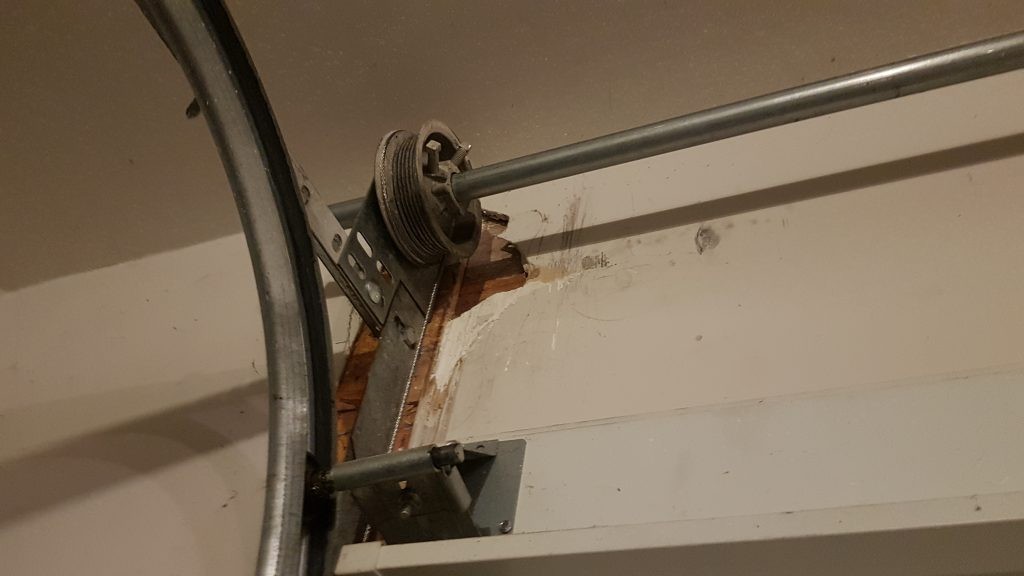
Garage door cables are a critical component in ensuring the safe and efficient operation of your garage door. Whether you’re a homeowner looking to replace worn-out cables or a DIY enthusiast wanting to understand the process, this garage door cable complete guide covers everything from choosing the right type to proper installation. By understanding the basics and following best practices, you can maintain your garage door’s performance and avoid costly repairs.
Before diving into the details, it’s important to recognize that garage door cables work hand-in-hand with springs and pulleys to lift and lower the door smoothly. If a cable fails, it can lead to operational issues or even safety hazards. That’s why knowing how to select, install, and maintain these cables is essential for any garage owner.
If you’re troubleshooting issues or want to learn about frequent malfunctions, check out the garage door cable common problems resource for quick fixes and solutions.
Understanding Garage Door Cable Types and Their Roles
Garage door cables come in several types, each designed for specific door mechanisms. The most common varieties include:
- Lifting cables – Used with torsion spring systems, these cables wind onto drums as the door opens.
- Extension spring cables – Paired with extension springs, these cables run alongside the horizontal tracks.
- Safety cables – Installed inside extension springs to prevent injury if a spring snaps.
Each type plays a unique role in the door’s operation. For example, lifting cables are responsible for bearing the weight of the door, while safety cables provide an extra layer of protection. Selecting the correct cable for your system is crucial for both performance and safety.
To learn more about maximizing the efficiency of your setup, the garage door cable efficiency article offers insights on achieving smooth, effortless lifting.
Choosing the Right Cable for Your Garage Door
When selecting a replacement cable, consider the following factors:
- Door weight and size – Heavier or larger doors require thicker, stronger cables.
- Spring system type – Torsion and extension spring systems use different cable designs.
- Material and coating – Galvanized steel is the most common, offering corrosion resistance and durability.
- Length and diameter – Always match the cable length and thickness to your door’s specifications.
Consult your door’s manual or manufacturer for precise measurements. Using the wrong cable can cause premature wear or dangerous malfunctions. If you’re unsure, a garage door cable professional guide can provide technical tips and specifications for your specific model.

Step-by-Step Cable Installation Process
Proper installation is essential for safety and longevity. Here’s a general overview of how to replace or install garage door cables:
- Disconnect the opener – Unplug the automatic opener and secure the door in the open position using locking pliers or clamps.
- Release spring tension – For torsion systems, carefully unwind the springs using winding bars. For extension systems, detach the springs from the track supports.
- Remove old cables – Detach the cables from the bottom brackets and drums or pulleys.
- Install new cables – Attach the new cable to the bottom bracket, thread it through the pulley or drum, and ensure it’s seated properly.
- Reapply spring tension – Wind the springs back to their original tension or reattach extension springs.
- Test the door – Remove clamps and operate the door manually to check for smooth movement and proper balance.
Warning: Garage door springs are under extreme tension and can cause injury if handled improperly. If you’re not confident, consider hiring a professional technician.
For a detailed checklist of tools and safety steps, refer to the garage door cable replacement checklist before starting your project.
Maintenance Tips for Long-Lasting Performance
Regular inspection and maintenance can extend the life of your cables and prevent unexpected failures. Here are some best practices:
- Visual inspection – Check for fraying, rust, or kinks every few months.
- Lubrication – Use a silicone-based lubricant on pulleys and drums, but avoid applying oil directly to cables.
- Keep cables clean – Remove debris and dust that could cause abrasion or corrosion.
- Replace at first sign of wear – Don’t wait for a complete break; replace cables showing any damage.
For more strategies to avoid costly breakdowns, see these garage door cable prevention tips and keep your system running smoothly.

Common Mistakes and How to Avoid Them
Even experienced DIYers can make errors when working with garage door cables. Some of the most frequent mistakes include:
- Using cables of incorrect length or diameter
- Failing to properly secure cables to drums or pulleys
- Neglecting to release spring tension before removal
- Overtightening or undertightening springs after installation
- Ignoring signs of cable wear or damage
To ensure safety and reliability, always double-check your work and consult manufacturer instructions. For a comprehensive list of dos and don’ts, review this guide to garage door cable safety practices.
FAQ
How do I know when my garage door cables need replacing?
Signs that cables need replacement include visible fraying, rust, broken strands, or the door moving unevenly. If you notice any of these issues, it’s best to replace the cables promptly to avoid sudden failure.
Can I replace garage door cables myself, or should I hire a professional?
While experienced DIYers can replace cables, it’s important to understand the risks, especially with torsion spring systems. If you’re unsure or uncomfortable with the process, hiring a professional is the safest option.
How often should I inspect my garage door cables?
Inspect your cables at least twice a year. Regular checks help catch early signs of wear or damage, allowing you to address issues before they become serious problems.
Conclusion
Understanding how to choose, install, and maintain garage door cables is essential for safe and reliable operation. By following the steps and tips outlined in this article, you can extend the life of your garage door system and minimize the risk of unexpected breakdowns. Remember, when in doubt, consult a professional or refer to trusted resources for guidance.