When your garage door stops working smoothly, one of the most common culprits is a damaged or frayed cable. These cables play a crucial role in lifting and lowering the door safely. If you notice your door is uneven, stuck, or making unusual noises, it may be time to consider garage door cable repair. Addressing cable issues promptly helps prevent further damage and ensures your garage remains secure and functional.
Understanding the basics of garage door cables, their function, and how to spot problems can save you time and money. While some minor maintenance can be handled by homeowners, many repairs require professional expertise due to the tension and weight involved. This guide covers essential information on cable types, signs of wear, repair options, and tips for keeping your garage door system in top shape.
For those interested in the technical side, learning about garage door cable wire strength can help you choose the right replacement parts and understand the durability of different cable materials.
How Garage Door Cables Work
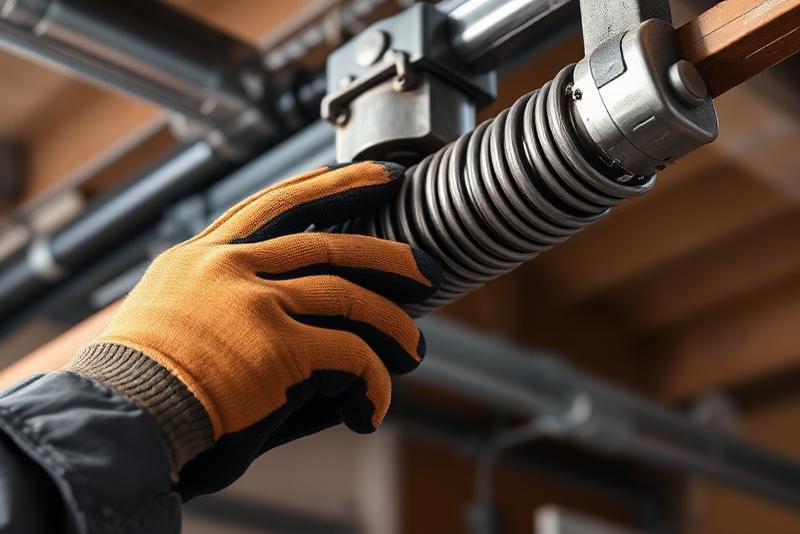
Garage door cables are essential components that work alongside springs to balance and move the door. They are typically made from strong, flexible steel wire and are designed to withstand significant tension. There are two main types of cables used in residential garage doors:
- Torsion cables: These are used with torsion spring systems, running from the bottom of the door to the drums at the top. They wind and unwind as the door opens and closes.
- Extension cables: Found in extension spring systems, these cables run along the sides of the door and stretch as the door moves.
Both types are critical for safe operation. If a cable snaps or becomes loose, the door can become unbalanced or even fall, posing a serious safety risk. For a deeper look at the differences and safety considerations, see this resource on torsion garage door cables.
Common Signs Your Garage Door Cables Need Repair
Recognizing early warning signs can help you address cable problems before they lead to more expensive repairs. Here are some common indicators that your system may need attention:
- The door is crooked or uneven when opening or closing.
- You hear loud snapping or grinding noises during operation.
- The cables appear frayed, worn, or have visible rust.
- The door moves slowly or gets stuck partway.
- There are loose or dangling cables near the bottom brackets.
If you notice any of these issues, it’s best to stop using the door and consult a professional. Attempting to operate a door with damaged cables can cause further harm to the system or lead to injury.
Professional Garage Door Cable Repair Solutions
While some homeowners may feel tempted to tackle cable repairs themselves, it’s important to recognize the risks. Garage doors are heavy, and the cables are under high tension. Improper handling can result in injury or further damage. Professional technicians have the tools and training to safely:
- Diagnose the root cause of cable failure
- Release spring tension safely before repair
- Replace worn or broken cables with the correct type and size
- Test the door’s balance and operation after repair
When hiring a professional, ask about their experience with your specific door type and make sure they use high-quality replacement parts. For more details on choosing the right materials, check out this guide to garage door cable materials.
DIY Tips for Minor Garage Door Cable Maintenance
Although major repairs are best left to experts, there are a few maintenance steps homeowners can take to extend the life of their cables:
- Inspect cables visually every few months for fraying or corrosion.
- Keep the tracks and rollers clean and free of debris.
- Lubricate moving parts with a silicone-based spray, but avoid getting lubricant directly on the cables.
- Check for loose hardware and tighten as needed.
If you’re considering a DIY replacement, be sure to use the correct cable type for your system. For a step-by-step overview, you can refer to this comprehensive explanation of garage door cable functions. However, if you’re unsure or uncomfortable with the process, always consult a professional.
Choosing the Right Replacement Cables
Not all garage door cables are created equal. Selecting the right type ensures safe and reliable operation. Here are some factors to consider:
- Material: Most cables are made from galvanized steel for strength and corrosion resistance. For more on durability, see this article on steel garage door cables.
- Length and thickness: The size must match your door’s specifications. Using the wrong size can cause improper operation or premature wear.
- Compatibility: Ensure the cable matches your spring system—torsion or extension.
When in doubt, consult your door’s manual or a professional technician to identify the correct replacement. Using high-quality cables will help prevent future breakdowns and keep your door running smoothly.
Preventing Future Cable Issues
Regular maintenance is the best way to avoid unexpected cable failures. Here are a few preventative tips:
- Schedule annual inspections with a qualified technician.
- Replace cables at the first sign of fraying or rust.
- Keep the garage environment dry to reduce corrosion.
- Test the door’s balance by disconnecting the opener and lifting the door manually; it should stay open about halfway.
Staying proactive with care and inspections helps extend the lifespan of your cables and the entire door system. For those with extension spring setups, review this extension garage door cables guide for more tailored advice.
Frequently Asked Questions
How do I know if my garage door cable is broken?
Common signs include the door hanging unevenly, visible fraying or snapping of the cable, or the door not opening or closing properly. If you spot any of these issues, stop using the door and seek professional help.
Can I replace garage door cables myself?
While some experienced DIYers may attempt cable replacement, it’s a risky task due to the high tension in the springs and cables. For safety, most homeowners should hire a professional for cable repairs.
How often should garage door cables be replaced?
With regular maintenance, cables can last several years. However, they should be inspected annually and replaced at the first sign of wear, rust, or fraying to prevent sudden failure.
What causes garage door cables to fail?
Common causes include normal wear and tear, corrosion from moisture, improper installation, or damage from a misaligned door. Routine inspections and prompt repairs help minimize these risks.
Proper care and timely garage door cable repair are essential for the safety and reliability of your garage door. By understanding the warning signs, choosing quality materials, and seeking professional help when needed, you can keep your door operating smoothly for years to come.