Torsion garage door cables play a crucial role in the safe and smooth operation of most modern garage doors. These sturdy cables work alongside torsion springs to help lift and lower the door evenly, ensuring both performance and safety. Understanding how these cables function, recognizing signs of wear, and following essential safety tips can help homeowners avoid accidents and costly repairs.
If you’re interested in learning more about the broader system, you may want to explore garage door cable components for a detailed look at how all the hardware works together.
Understanding the Role of Torsion Cables in Garage Doors
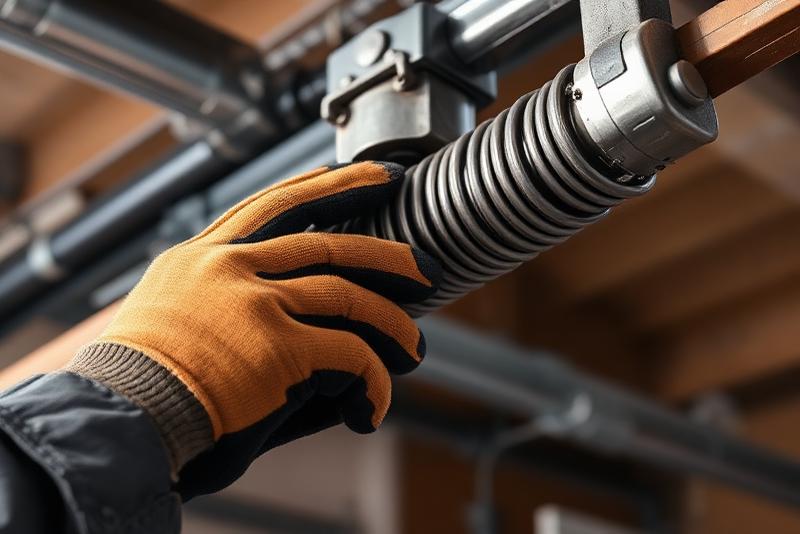
A typical garage door system relies on a combination of springs, drums, and cables to operate efficiently. The torsion cables are attached at the bottom of the door and wind around drums mounted at the ends of the torsion spring shaft. When the door is lifted, the springs unwind and transfer energy through the cables, which help raise the door’s weight in a controlled manner.
Unlike extension spring systems, which use cables that run along pulleys at the sides of the door, torsion systems provide a more balanced and reliable lift. This design reduces wear on the door and opener, and it’s one of the reasons why torsion setups are preferred for heavier or larger doors.
For a deeper dive into the different types of cables used in residential systems, check out this guide on garage door cable types.
How Torsion Garage Door Cables Work with Springs
The synergy between torsion springs and cables is what makes garage doors easy to operate by hand or with an opener. Here’s a breakdown of the process:
- When the door is closed, torsion springs are wound tightly, storing potential energy.
- As the door opens, the springs unwind, and this energy is transferred to the cables, which pull the door upward.
- The cables wrap around the drums, keeping the movement smooth and preventing the door from slamming down.
- When closing, the process reverses, and the springs rewind as the cables unwind from the drums.
Properly functioning cables ensure that the door remains balanced and that the weight is distributed evenly across the system. If a cable snaps or becomes frayed, the door can become misaligned or dangerously heavy on one side.
Common Signs of Cable Wear and When to Replace
Regular inspection of your garage door cables is essential for safety. Some of the most common signs that your torsion system’s cables may need attention include:
- Fraying or broken strands along the cable length
- Visible rust or corrosion, especially near the bottom bracket
- Slack or loose cables when the door is in the open position
- Uneven door movement or a door that appears crooked
- Loud noises or jerky motion during operation
If you notice any of these symptoms, it’s best to stop using the door and arrange for a professional inspection. Attempting to repair or replace cables yourself can be dangerous due to the high tension in the springs.
For a comprehensive overview of all the hardware involved, see garage door cable parts.
Essential Safety Tips for Handling Torsion Cables
Working with torsion garage door cables involves significant risk because of the stored energy in the springs. Here are some key safety guidelines:
- Never attempt to adjust or replace torsion cables or springs yourself unless you have professional training and the right tools.
- Always disconnect the garage door opener before inspecting cables to prevent accidental activation.
- Wear safety glasses and gloves if you must handle any part of the system.
- Check for signs of wear at least twice a year, especially before winter and after heavy use.
- If a cable snaps, avoid standing near the door and call a qualified technician immediately.
For more information on the function of cables in your overhead door system, you can read this detailed explanation of what garage door cables do.
Maintenance Tips to Extend Cable Lifespan
With regular care, you can help your garage door cables last longer and keep your system running smoothly. Here are some practical maintenance tips:
- Keep the area around the bottom brackets clean and free of debris to prevent rust.
- Apply a light lubricant to the drums and other moving parts, but avoid getting oil directly on the cables.
- Inspect for kinks or bends, which can weaken the cable and lead to failure.
- Check the cable tension periodically—if the cables are too loose or too tight, consult a professional.
- Replace both cables at the same time if one fails, to ensure balanced operation.
If you’re interested in the overall safety and function of your system, you might find the garage door lift cables guide helpful as well.
Choosing the Right Replacement Cables
When it’s time to replace your cables, selecting the correct type and size is essential for safety and performance. Here are some considerations:
- Measure the length and diameter of your existing cables to ensure a proper fit.
- Choose cables made from galvanized steel for better resistance to rust and corrosion.
- Consult your garage door’s manufacturer or a professional technician for compatibility advice.
- Consider replacing other related hardware, such as drums or bottom brackets, if they show signs of wear.
Never substitute cables designed for extension spring systems with those for torsion systems, as they are engineered differently and may not provide safe operation.
Frequently Asked Questions
What happens if a torsion cable breaks?
If a cable snaps, the garage door may become unbalanced and could drop suddenly, posing a serious safety risk. It’s important to stop using the door and contact a professional for repairs immediately.
How often should I inspect my garage door cables?
It’s recommended to visually inspect your cables at least twice a year. Look for fraying, rust, or other signs of wear, especially before and after seasons with extreme weather.
Can I replace torsion cables myself?
Due to the high tension in the springs, replacing these cables is dangerous without proper training and tools. Professional installation is strongly advised to prevent injury or further damage.
Are there different types of cables for garage doors?
Yes, there are several types, including those for torsion and extension spring systems. Each is designed for specific hardware and door configurations. For more details, see garage door cables explained.
What maintenance can I do myself?
Homeowners can keep the area clean, check for visible wear, and lubricate moving parts (except the cables themselves). Any adjustments or replacements should be left to professionals.