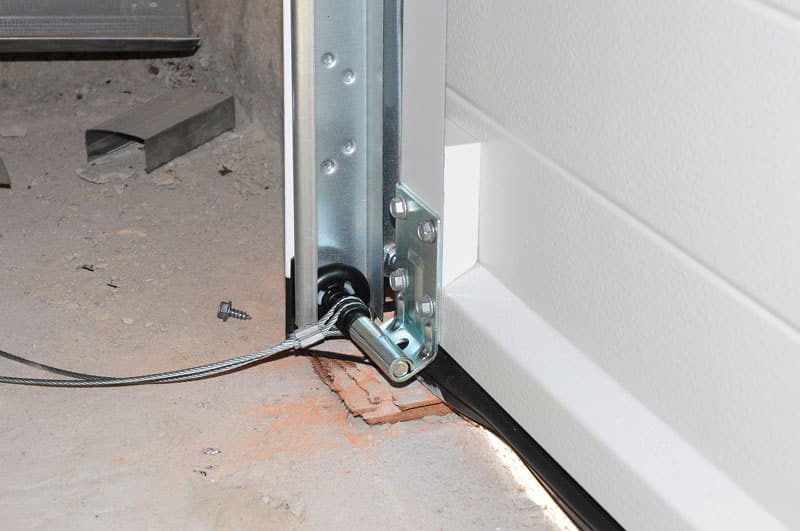
When it comes to the safe and reliable operation of your garage door, few components are as critical as the cables. Steel garage door cables are engineered for strength and longevity, playing a vital role in lifting and lowering your door smoothly. Understanding their construction, benefits, and maintenance requirements can help homeowners make informed decisions and extend the life of their garage systems.
In this guide, you’ll discover what sets steel cables apart, how they contribute to overall garage door performance, and practical tips for care and replacement. For a deeper look at how different cable types work together, you may also want to explore garage door cable components and their functions within the system.
What Makes Steel Cables Essential for Garage Doors?
Garage doors are heavy, often weighing over 100 pounds, and require robust hardware to operate safely. Steel garage door cables are specifically designed to handle these loads. Their high tensile strength and resistance to stretching or snapping make them the preferred choice for both residential and commercial applications.
These cables are typically made from galvanized steel, which offers additional protection against corrosion and rust. This is especially important in environments exposed to moisture or temperature fluctuations. The strength of steel ensures that the cables can withstand daily cycles of lifting and lowering without significant wear.
Types of Steel Garage Door Cables
There are several varieties of steel cables used in garage door systems, each suited to specific mechanisms and door types. The most common include:
- Torsion cables: Used with torsion spring systems, these cables wind around drums at the top of the door as it opens and closes. They are engineered to handle high tension and are critical for balanced movement. For more on this, see torsion garage door cables and their safety considerations.
- Extension spring cables: These work with extension spring setups, running along the sides of the door. They help absorb the force of the springs and ensure smooth operation.
- Lift cables: Sometimes referred to as lifting or hoisting cables, these are responsible for raising and lowering the door. Learn more about their role in garage door lift cables and essential safety tips.
Each cable type is constructed to meet the demands of its specific application, but all share the core benefits of steel: durability, flexibility, and reliability.

Key Benefits of Steel Garage Door Cables
Choosing steel cables for your garage door system offers several advantages:
- Exceptional durability: Steel’s inherent toughness means cables can last for years, even with frequent use.
- High load capacity: These cables are capable of supporting the substantial weight of modern garage doors without stretching or breaking.
- Corrosion resistance: Galvanized coatings protect against rust, extending the lifespan of the cables in humid or wet conditions.
- Safety: Reliable cables reduce the risk of sudden door drops or malfunctions, helping to protect people and property.
Properly installed and maintained steel cables are a cornerstone of a safe and efficient garage door system.
How to Identify Wear and When to Replace Cables
Even the strongest steel cables will eventually show signs of wear. Regular inspection is essential to catch issues before they lead to failure. Look for these warning signs:
- Fraying or broken strands along the cable length
- Visible rust or corrosion, especially near the ends or attachment points
- Kinks, bends, or flattening of the cable
- Slack or uneven tension when the door is in motion
If you notice any of these problems, it’s important to replace the cables promptly. Continuing to use worn cables can result in sudden breakage and potential injury or property damage. For a detailed overview of cable hardware, see garage door cable parts and their roles in the system.
For those considering a DIY approach, it’s crucial to understand the risks involved. Garage door cables are under significant tension, and improper handling can be dangerous. If you’re unsure, consult a professional technician.

Installation and Maintenance Tips for Steel Garage Door Cables
Proper installation and regular maintenance are key to maximizing the lifespan of your cables. Here are some practical tips:
- Always disconnect power to the garage door opener before working on cables to avoid accidental activation.
- Inspect cables monthly for signs of wear, corrosion, or fraying.
- Lubricate moving parts such as pulleys and drums with a silicone-based spray, but avoid getting lubricant directly on the cables, as this can attract dirt and debris.
- Replace both cables at the same time, even if only one shows damage, to ensure balanced operation.
- Use only cables rated for your specific door weight and spring system. Refer to manufacturer guidelines or consult a professional for advice.
For a comprehensive explanation of the various cable options available, visit garage door cable types and find the best match for your setup.
How Steel Cables Work Within the Garage Door System
The role of steel cables goes beyond simply lifting the door. They work in tandem with springs, pulleys, and drums to distribute weight evenly and control movement. When the door is raised, the cables wind or unwind around drums, counterbalancing the door’s mass and allowing for smooth, controlled motion.
For those interested in the technical side, this detailed guide on garage door cable mechanics provides further insight into how these systems function and why proper cable selection is so important.
Routine checks and prompt replacement of worn cables are essential for maintaining the safety and reliability of your garage door.
Frequently Asked Questions
How long do steel garage door cables typically last?
With regular maintenance and under normal usage, steel cables can last anywhere from 7 to 15 years. Factors such as climate, frequency of use, and exposure to moisture can affect their lifespan. Inspecting cables regularly helps catch early signs of wear and extend their service life.
Can I replace garage door cables myself?
While some experienced DIYers may attempt cable replacement, it’s a task that involves significant risk due to the high tension in the system. If you’re not familiar with garage door mechanics, it’s safer to hire a professional to avoid injury or property damage.
What are the signs that my garage door cables need replacing?
Common indicators include frayed or broken strands, visible rust, kinks, or slack in the cable. If the door moves unevenly or makes unusual noises, the cables may be compromised and should be inspected immediately.
Are there different sizes or thicknesses of steel cables?
Yes, steel cables come in various diameters and lengths to match different door weights and spring systems. Always use cables specified for your door model to ensure proper function and safety.
Conclusion
Steel cables are a foundational element of any reliable garage door system, offering unmatched strength and resilience. By understanding their types, benefits, and maintenance needs, homeowners can ensure smooth operation and long-term safety. Regular inspections and timely replacements are essential for preventing accidents and keeping your garage door functioning at its best.